
Join our daily newsletter At The Bell to receive exclusive market insights
- Beijing rejects the World Health Organisation’s (WHO) plan for a second phase of investigations into the origin of COVID-19
- Vice-minister of China’s National Health Commission (NHC) Zeng Yixin says he is “taken aback” by the idea that the virus leaked from a lab in China
- He reiterates the Chinese Communist Party’s (CCP) position that certain data can’t be shared with researchers because of privacy concerns
- White House secretary Jen Psaki says the Biden Administration is “deeply disappointed” by China’s decision to reject the second phase
- The Australian government helped lead the throng of international voices calling for an investigation into the origins of COVID-19 last year
Beijing has rejected the World Health Organisation’s (WHO) plan for a second phase of investigations into the origin of COVID-19.
The plan includes the hypothesis that the virus could have been accidentally leaked from a Chinese lab.
The WHO proposed the plan earlier this month after director-general Adhanom Ghebreyesus said the first phase of investigations was hampered by a lack of raw data from the early days of the spread of COVID-19.
Under the second phase of the investigation, researchers would study humans, wildlife, and animal markets in Wuhan, which is where the first cases of COVID-19 were recorded back in late 2019.
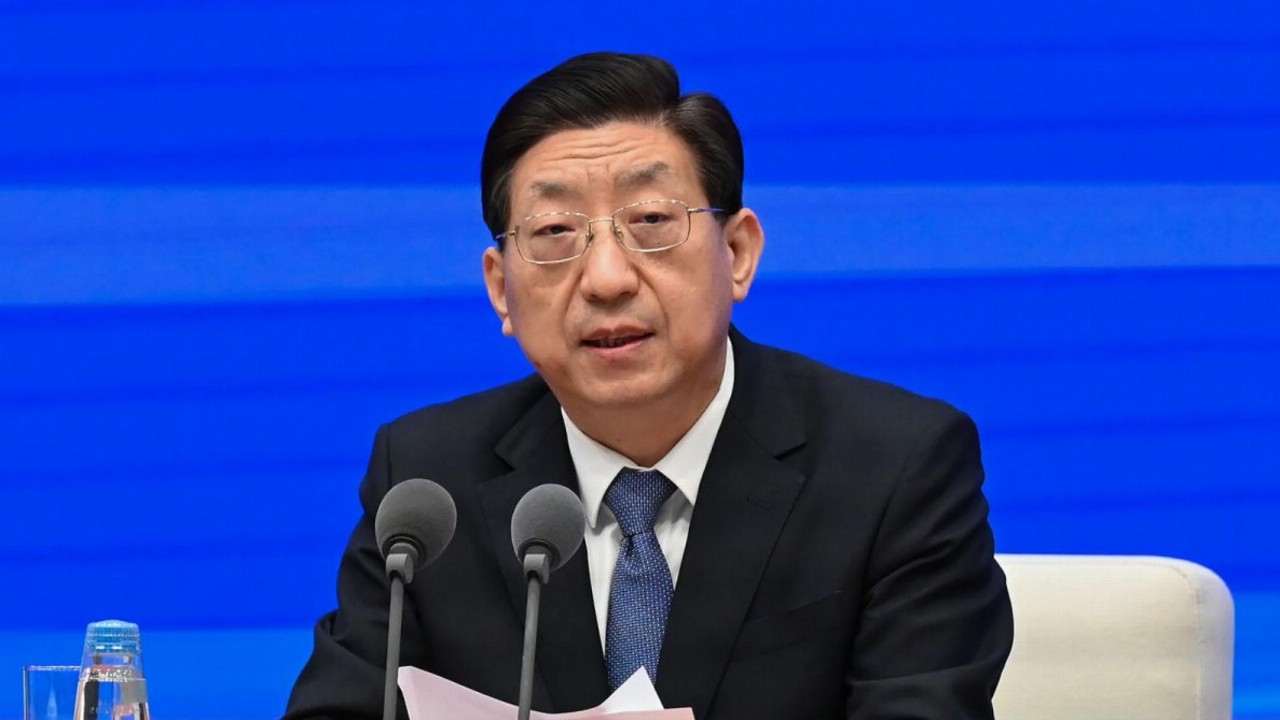
However, Vice-minister of China’s National Health Commission (NHC) Zeng Yixin told reporters he was “taken aback” by the WHO plan and the idea that the virus was lab-made in China.
“We will not accept such an origins-tracing plan as it, in some aspects, disregards common sense and defies science,” Mr Zeng said.
He reiterated the Chinese Communist Party’s (CCP) position that certain data could not be shared with researchers because of privacy concerns.
“We hope the WHO would seriously review the considerations and suggestions made by Chinese experts and truly treat the origin tracing of the COVID-19 virus as a scientific matter, and get rid of political interference,” he said.
The virus was originally have thought to be transmitted to humans from animals being sold at a Wuhan city market.
However, the idea that the virus could have come from a Chinese lab gained traction in May this year, prompting US President Joe Biden to order an investigation into the matter.
This week, White House secretary Jen Psaki said the Biden Administration was “deeply disappointed” by China’s rejection of a new phase of investigations.
“The United States supports the WHO plan for phase two, which commits to ensuring the studies are scientific, transparent, expert-led, and free from interferences,” Ms Psaki said.
She said China’s decision to reject the second phase of studies is “irresponsible and, frankly, dangerous”.
Moreover, Ms Psaki said by blocking access to needed data and samples, China could be preventing health bodies around the world from understanding how to prevent future pandemics.
“This is about saving lives in the future; it’s not the time to be stonewalling.”
The Australian government helped lead the throng of international voices calling for an investigation into the origins of COVID-19 last year.