
Join our daily newsletter At The Bell to receive exclusive market insights
- Afterpay is one of a few “buy now-pay later” businesses that could soon suffer from regulations lobbed by the RBA
- In an annual report yesterday, the Reserve Bank raised concerns on the pressures put onto merchants by services like Afterpay due to surcharge policies — and the changes it causes for traditional debit and credit institutions
- Investment bank UBS forecasted this issue earlier in the week, recommending punters drop Afterpay due to regulation possibilities
- Shares in Afterpay have downgraded 6.82 per cent in today’s trading period, with shares sitting at $29.80 after opening at $31.33 each
“Buy now-pay later” business Afterpay could be in the firing line of regulation after the Reserve Bank has raised queries on the popular business practice.
While the RBA has not pointed fingers, it’s showing an interest in posing further regulations on companies that are using the business model that’s attracting young shoppers.
In the RBA’s annual report yesterday evening, it revealed some ideas for changes going into 2020 to relieve the pressure on merchants while bringing shoppers closer to using debit and credit cards.
“The bank will consider the policy implications associated with the growth of new entrants and new business models as part of the forthcoming comprehensive review of card payments regulation,” the report said.
“For example, BNPL [buy now-pay later] services are relatively expensive for merchants to accept and they usually restrict the ability of merchants to apply a surcharge to pass on these costs to the customers that directly benefit from the service,” it said.
“Accordingly, an issue for the Bank is whether policy action in relation to these no-surcharge rules should be considered,” the report said.
Shares in Afterpay have downgraded 6.82 per cent in today’s trading period, with shares sitting at $29.80 after opening at $31.33.
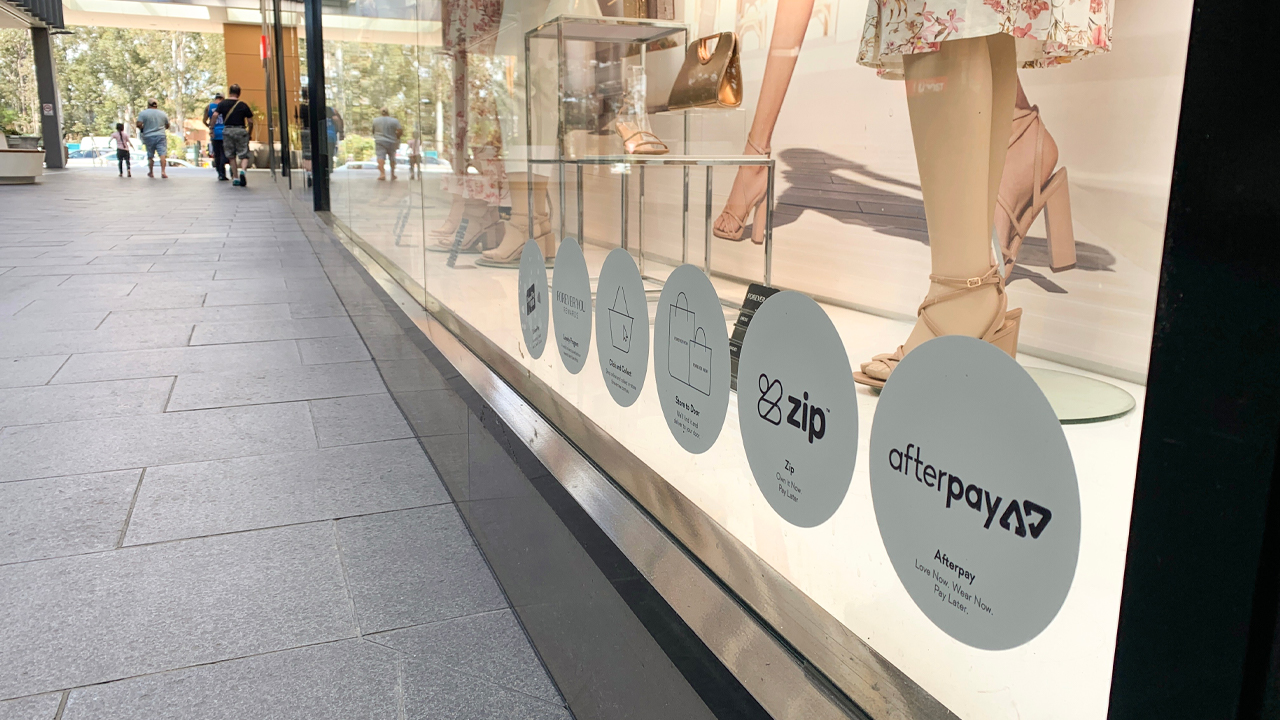
Afterpay is not alone in its industry, joined by other companies such as Zip Co and Splitit — services that offer multiple payment solutions for shoppers that can’t foot the bill immediately.
For some readers, this may be a case of déjà vu as Uber Eats has had its share of criticism during 2019 for putting a new element of financial pressure onto the restaurant business.
Earlier this week, investment bank UBS forecasted these discussions, recommending punters to sell Afterpay shares due to possibilities in regulations like the ones kicked around today by the RBA.
“A number of other jurisdictions have begun, or are also planning, to review aspects of their regulatory arrangements in response to recent changes to the payments landscape, including the emergence of new business models and non-traditional participants,” the RBA also said in its report yesterday.