
Join our daily newsletter At The Bell to receive exclusive market insights
Australian consumer prices have surged by the most in more than 20 years, with the cost of living up 5.1 per cent over the past year as petrol, home building and food costs all climbed, spurring speculation interest rates could rise as soon as next week.
This has never come at a worse time than a federal election for Prime Minister Scott Morrison as he fights a tough election where the rising cost of living has become a sore point with voters.
It also strongly argues the Reserve Bank of Australia (RBA) no longer needs to keep interest rates at emergency lows of 0.1 per cent and should tighten soon, perhaps even at its policy meeting on May 3 rather than in June.
The last time inflation was this high was in June 2001, when prices rose 6.1 per cent largely from the effect of the recently introduced 10 per cent Goods and Services Tax (GST).
Markets quickly narrowed the odds on a rise to 0.25 per cent next week, though many still favour a June hike given such a sudden move would cause political ripples so near to the election on May 21.
“We now expect the RBA to initially hike by 40bp to 0.5 per cent in June,” said Andrew Boak, an economist at GS Macro, who sees a series of quarter point moves to an eventual peak of 2.5 per cent.
“The combination of above-target inflation, an economy initially resilient to hikes and a more hawkish reaction function skews risks to a steeper and higher path for rates.”
To make the outlook more grim, a closely watched measure of core inflation, the trimmed mean, climbed a record 1.4 per cent in the quarter, taking the annual pace to the highest since early 2009 at 3.7 per cent.
That was the first time since 2010 that core inflation had lifted above the RBA’s two to three per cent target band, a radical turnaround from recent years when it was consistently undershot.
“This reflected the broad-based nature of price rises, as the impacts of supply disruptions, rising shipping costs and other global and domestic inflationary factors flowed through the economy,” said Michelle Marquardt, the head of prices statistics at the Australian Bureau of Statistics.
Petrol led the charge with a gain of 35 per cent for the year, while the cost of new dwellings climbed a record 13.7 per cent.
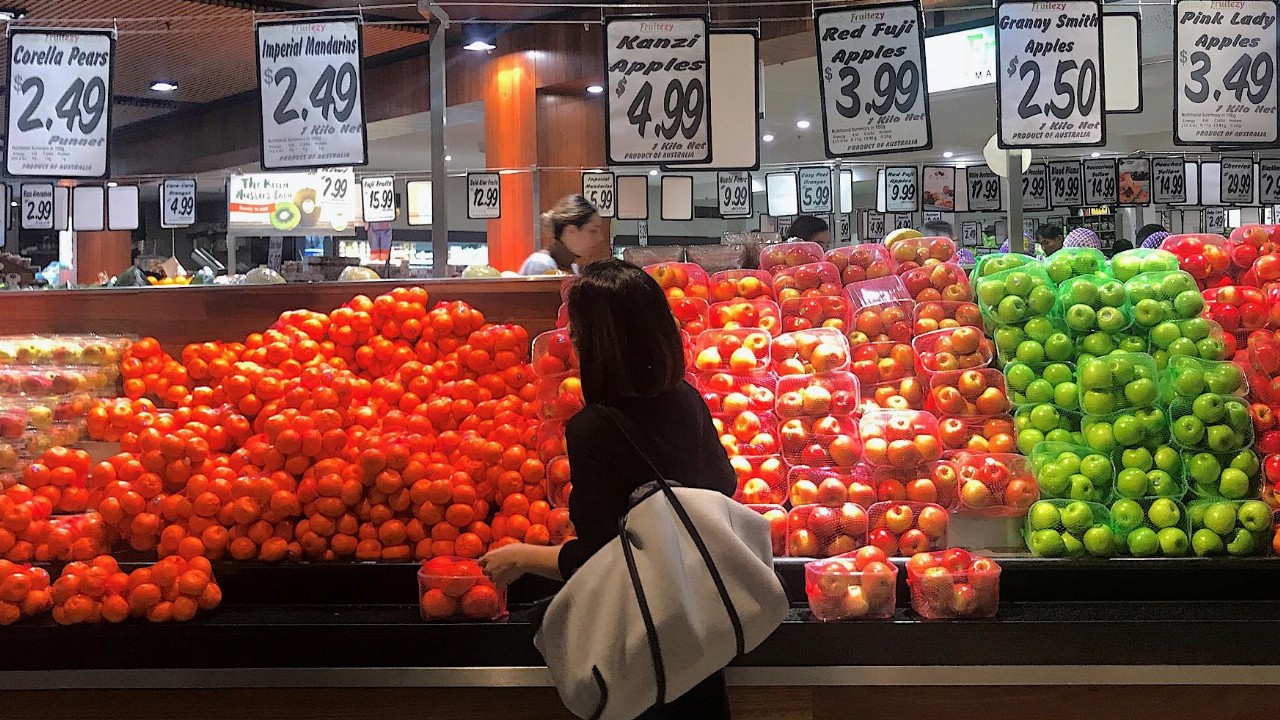
Food prices also picked up in the first quarter driven by high transport, fertiliser, packaging and ingredient costs.
Federal Treasurer Josh Frydenberg has since come out to address the inflation, calling the need for “strength and stability”.
Frydenberg added that today’s inflation figures did not take into account the full effect of the halving of the fuel excise in the budget – one of the government’s key measures to help people with rising costs of living.