
Join our daily newsletter At The Bell to receive exclusive market insights
- All of Brisbane will enter a snap three-day lockdown after another 10 cases of COVID-19 were recorded in the area
- Four of the cases were locally acquired, with two of them under investigation and the other two believed to be historic cases
- All of the new local cases are believed to be the highly infectious U.K. strain of coronavirus, prompting action from Queensland authorities
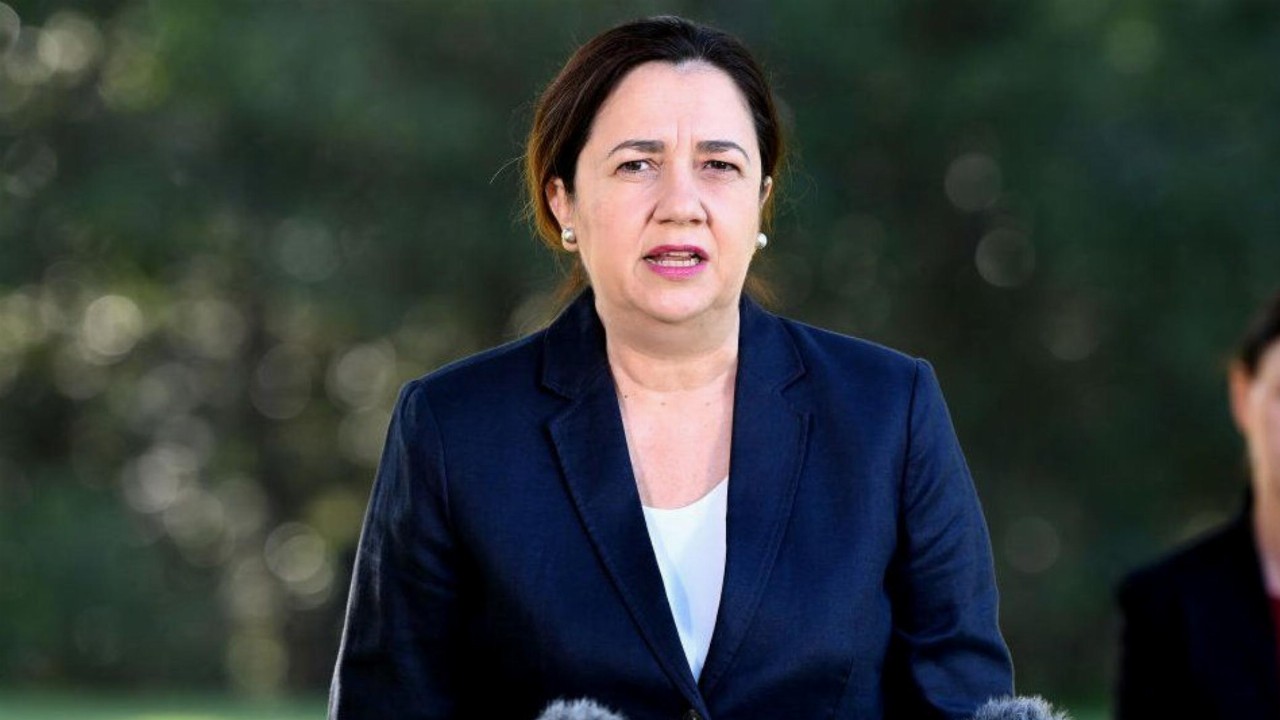
- Premier Annastacia Palaszczuk announced on Monday morning that the city and surrounding areas would enter a lockdown from 5pm AEDT
- All schools will close under the lockdown, while non-essential employees will also be asked to work from home
- Additionally, the Premier has declared Brisbane a hotspot, meaning further border closures may be announced by other state and territory leaders
The Greater Brisbane Region will enter a snap three-day lockdown after another 10 cases of COVID-19 were recorded in Queensland.
Four of the 10 cases were locally acquired, with two of them under investigation and the other two believed to be historic cases.
Local media reports one of the two cases under investigation may be a nurse at the state’s Princess Alexandra Hospital, who was working on a COVID-19 ward.
All of the new local cases are believed to be the highly infectious U.K. strain of coronavirus, prompting action from Queensland authorities.
Premier Annastacia Palaszczuk announced on Monday morning that the city and surrounding areas would enter a lockdown from 5pm AEDT.
“This is the UK strain. It is highly infectious. Now we need to do this now to avoid a longer lockdown and that lockdown will commence at 5:00pm this afternoon,” she explained.
“That will mean that our schools will close from tomorrow and as I said, we need to do this – this will also enable our health authorities to get on top of the contact tracing,” she added.
“This is a huge job now that we have to do because we’ve got more of this community transmission,” the Premier concluded.
Under the snap lockdown, all schools will close while non-essential employees will be asked to work from home for the next three days.
Essential businesses such as chemists, supermarkets and some retailers will stay open while cafes and restaurants may only serve takeaway food.
Masks will be mandatory for everyone in Queensland, but only the Greater Brisbane Region will be in lockdown.
Along with announcing the restrictions, Premier Palaszczuk also confirmed she has declared Brisbane a hotspot.
She’s urging other state and territory leaders to follow suit and enact border restrictions for Brisbane and wider Queensland if necessary.
“My recommendation to other states and territories is that they should declare this Greater Brisbane a hot spot as well,” Premier Palaszczuk said.
“That worked very well when we did that last time. Once we declare it, we are asking other people around the country to do that same thing and declare it as well,” the Queensland leader added.
At this stage, Brisbane’s snap lockdown is due to end on Thursday, April 1.