

Join our daily newsletter At The Bell to receive exclusive market insights
- The Chinese Communist Party has outlined its plans for increased economic self-reliance, using technological innovation as the foundation
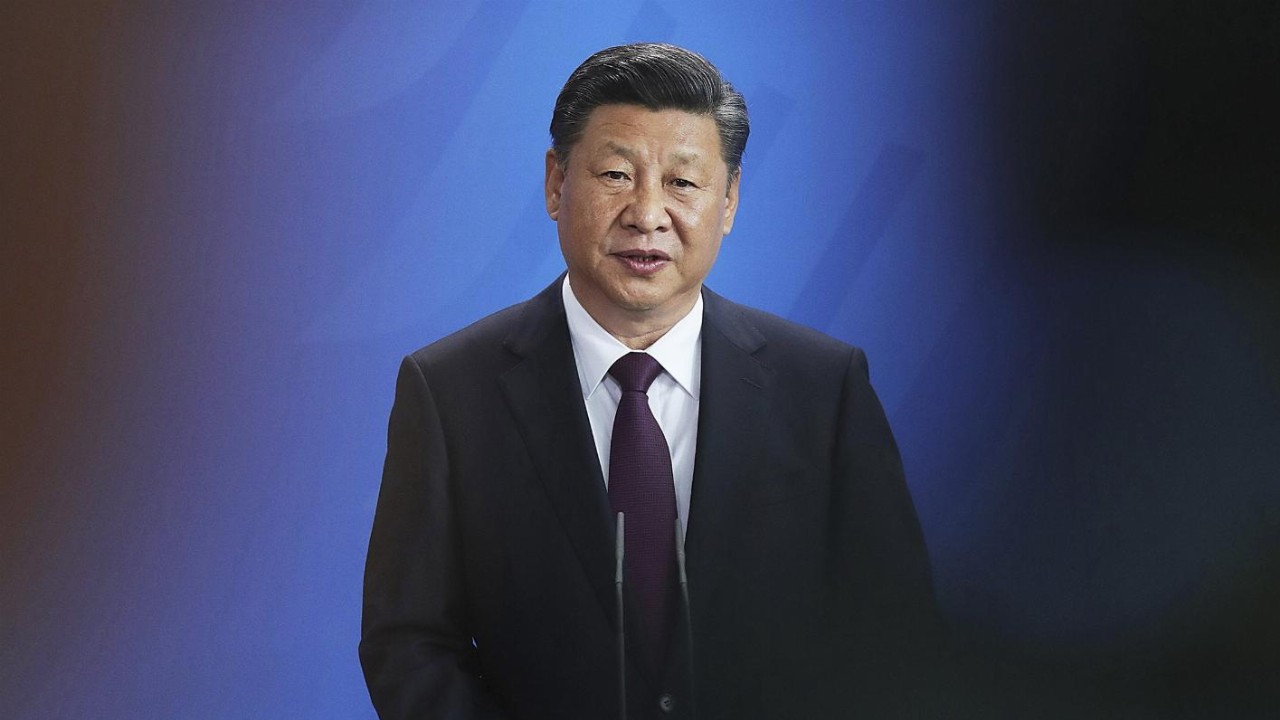
- Increased tension between China and the U.S., coupled with growing technological sanctions, has led Chinese President Xi Jinping to determine that the U.S. is no longer a reliable partner
- Central to the plan is a focus on fostering domestic companies and markets, with specific attention paid to the semiconductor industry – currently China’s largest import
- The plan also aims to increase per capita gross domestic product to US$30,000 (approximately A$42,690), bringing it in line with the likes of South Korea and Spain
- Beijing is expected to finalise the plan over the coming months before approval by parliament next year
The Chinese Communist Party has outlined its plans for increased economic self-reliance, using technological innovation as the foundation.
Beginning on Monday, more than 200 members of the party’s elite Central Committee met behind closed-doors for a four-day deliberation, focusing on how China can steady its course of development in a time of significant tension with the United States.
This tension, coupled with growing measures designed to restrict access to U.S. technologies, has led Chinese President Xi Jinping to determine that the country’s western counterpart is no longer a reliable partner.
The plan, led by Vice Premier Liu He, is the 14th of its kind since the 1950s, and will accelerate Beijing’s shift toward fostering domestic companies and markets while foreign investment will take a back seat.
At the centre of this effort is a greater focus on the local semiconductor industry, which currently represents China’s single largest import by value and is heavily dependent on U.S., European and Japanese manufacturing.
It’s not a new focus, but one which has soared up political agendas recently as the Trump administration tightens its chokehold on China’s leading technology groups, such as Huawei.
“Currently the biggest challenge for Beijing is a potential decoupling with the U.S.,” said Larry Hu, a Hong Kong-based economist for Macquarie Group. As a result, Larry said, the main theme of the new five-year plan involves “lowering reliance on foreign supplies and increasing reliance on domestic demand.”
In addition to the focus on technology and self-reliance, the plan also took into account the Chinese people as a commodity in their own right, arguably to instil confidence in an increasingly state-led model of governance.
Xi Jinping hopes to pull the China’s per capita output levels up to that of “moderately developed countries” by 2035. This means per capita gross domestic product (GDP) of around US$30,000 a year (approximately A$42,690) – somewhere around the levels of South Korea and Spain.
According to the World Bank, this figure for China last year was US$10,262 (approximately A$14,600).
While the plan doesn’t mention a specific rate of growth for GDP, analysts said the government remains ambitious in its outlook.
“The leadership still expects the size of the economy, household income as well as GDP per capita to reach a ‘new milestone’ by 2035,” said Raymond Yeung, chief greater China economist at Australia and New Zealand Banking Group. “China did not abandon GDP targeting, it’s just expressed in a more subtle way.”
Beijing is expected to finalise the plan over the coming months before approval by parliament next year.