

- A Dutch court has ruled that Royal Dutch Shell needs to accelerate cuts to greenhouse gas emissions
- The court ordered Shell to slash its carbon dioxide emissions by 203
- Meanwhile, Exxon Mobil has lost at least two board seats to an activist hedge fund
- Chevron shareholders have backed a call for the oil giant to cut emissions from the end-use of its fuels
- A resolution calling for a report on the business impact of achieving net zero emissions by 2050 was backed by 48 per cent of Chevron shareholders votes cast
Shareholders rebuked the top two U.S. oil companies on Wednesday for stalling on fighting climate change, while a Dutch court ruled that Royal Dutch Shell needs to accelerate cuts to greenhouse gas emissions.
Exxon Mobil lost at least two board seats to an activist hedge fund, shareholders at Chevron endorsed a call to further reduce its emissions and a court deemed Royal Dutch Shell’s emissions targets insufficient.
Investor support for climate concerns could force oil and gas companies to rethink how fast they pivot to other forms of energy. BP, which recently pledged to consult with shareholders on its climate targets, could see the next test of the groundswell.
A Dutch court ordered Shell to slash its carbon dioxide emissions by 2030.
“Today was a stark warning for Big Oil,” said Bess Joffe of the Church Commissioners for England, which manages the Church of England’s investment fund, with executives “being held to account by investors and lawmakers.”
However, Shell has said it will appeal, and analysts called the decision not the last word in the case.
“This ruling has negligible chance to survive appeals,” said Per Magnus Nysveen, of energy consultancy Rystad Energy.
Dissidents get a win at Exxon
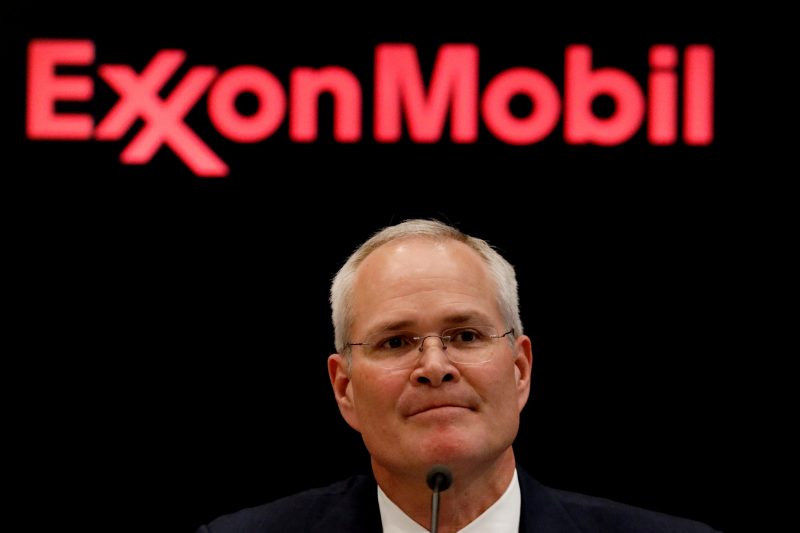
In a stunning blow to top management at Exxon, shareholders elected to switch out two candidates on its board and approved measures calling for annual reports on climate and a grassroots lobbying effort. Activists could yet win a third seat with some votes still to be counted and the full board not yet known.
After the meeting, CEO Darren Woods said Exxon had heard shareholders’ desire to advance lower-carbon and cost-cutting efforts.
“We are well positioned to respond,” he said.
Meanwhile Chevron shareholders backed a call for the company to cut emissions from the end-use of its fuels with 61 per cent supporting the petition. Another resolution calling for a report on the business impact of achieving net zero emissions by 2050 was backed by 48 per cent of votes cast.
Protest votes
“The question for oil companies is when and how much” do they reduce oil and gas production in response to investor and social concerns, said Charles Elson, a professor of corporate governance at the University of Delaware.
Investors had registered protests over the slow pace of change, but corporate executives would have to evaluate how to implement what are non-binding resolutions, he said.
The votes signalled a new sense of urgency, said Mark Van Baal, who leads a climate advocacy group that placed resolutions calling for emissions cuts at Chevron, ConocoPhillips and Phillips66. All got at least 58 per cent support.
“Investors are saying: ‘We want you to act by decreasing emissions now, not in the distant future’,” he said.