

Join our daily newsletter At The Bell to receive exclusive market insights
- Lithium Power International (LPI) has flagged low operating costs for its Maricunga stage one lithium brine project in Chile through an updated definitive feasibility study (DFS)
- The company says the study pegs the project’s net present value at US$1.4 billion (A$1.94 billion) with a predicted operating expenditure of US$3718 (A$5157) per tonne of lithium
- According to LPI, this stage-one study confirms Maricunga could be one of the “one of the world’s lowest-cost producers of lithium carbonate”
- The company says it has already received preliminary indications of interest from some key potential financing partners for the development of the project
- Shares in Lithium Power International are down 10.9 per cent to 73.5 cents
Lithium Power International (LPI) has flagged low operating costs for its Maricunga stage one lithium brine project in Chile through an updated definitive feasibility study (DFS).
The company today said the DFS confirmed Maricunga could be one of the “one of the world’s lowest-cost producers of lithium carbonate”.
The study pegs the project’s net present value at US$1.4 billion (A$1.94 billion) at an 8 per cent discount rate, with a total project capital expenditure (CAPEX) of US$626 million (A$868 million).
With an internal rate of return of 39.6 per cent, the project would take just two years to pay itself off once fully developed.
LPI said it expected the project to produce 15,200 tonnes of lithium carbonate equivalent per year over a 20-year mine life. The predicted operating expenditure for the project currently sits at US$3718 (A$5157) per tonne of lithium, though the company said this does not include potential credits from selling potassium-chloride by-products.
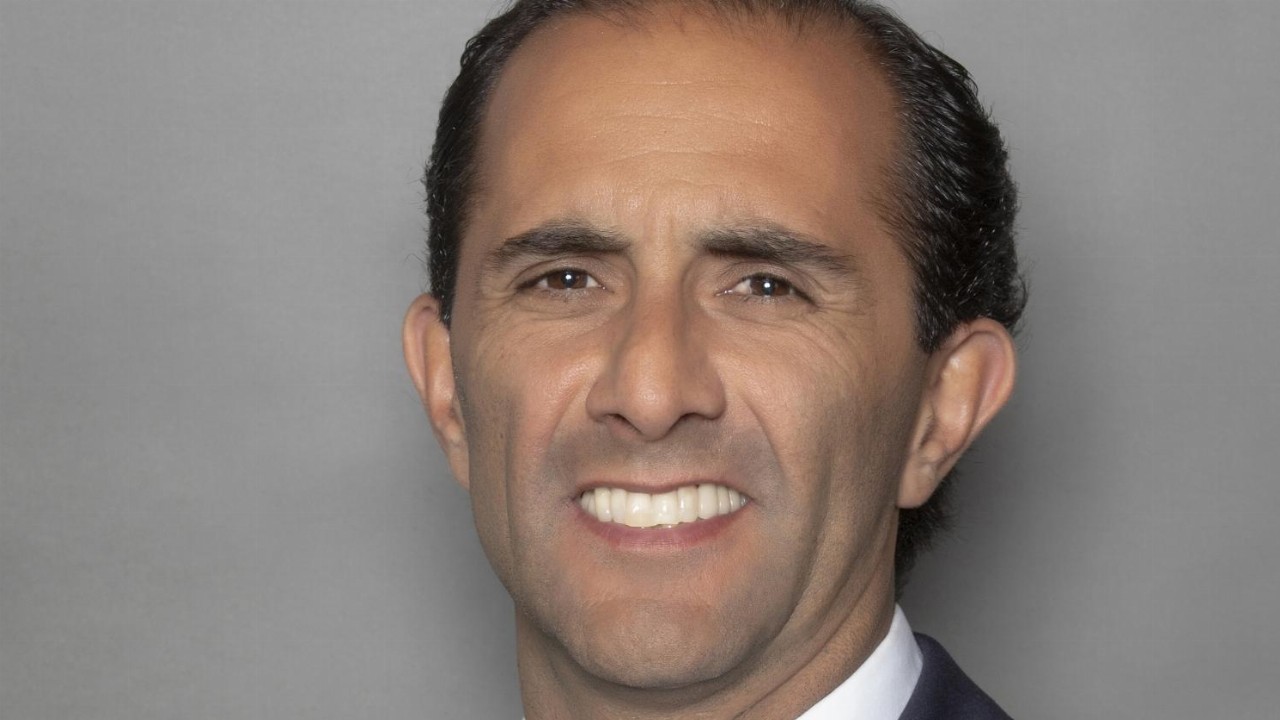
LPI Chief Executive Cristobal Garcia-Huidobro said the company was “extremely pleased” with the results of the feasibility study.
“The strong economics, as well as the exceptional sustainability profile, confirms the high standard and attractiveness of the project,” Mr Garcia-Huidobro said.
“The priority for 2022 is to finalise project finance for the Stage One project.”
He said LPI was already working with both international and local Chilean financial institutions on different structures for potential debt financing deals, as well as with potential investment partners. The company added that it had already received preliminary indications of interest from some key potential financing partners.
With engineering, procurement and construction (EPC) contract proposals to kick off soon, LPI said the company was expecting to make a final investment decision (FID) for the project by the end of the year.
“Construction should start immediately after the FID,” Mr Garcia-Huiobro said.
“Today’s feasibility study focusses just on the first stage of the Maricunga project. For LPI, this means the company will also continue to focus on a subsequent stage two development of Maricungo, especially considering the “significant for case growth in lithium demand”.
LPI owns the Maricunga project through its joint venture (JV) entity, Minera Salar Blanco. LPI controls 51.55 per cent of the JV company, with namesake Minera Salar Blanco SpA owning 31.31 per cent and TSXV-listed Bearing Lithium Corp the remaining 17.14 per cent.
The project lies in the Chilean section of the prestigious ‘Lithium Triangle’.
Shares in Lithium Power International have dropped 10.9 per cent, falling to 73.5 cents at 10:34 am AEDT.The company has a $288 million market cap.