
Join our daily newsletter At The Bell to receive exclusive market insights
- Shares in PayPal jumped on Monday after a report said the fintech giant was exploring ways to let its US customers trade stocks on its platform
- PayPal has also hired brokerage industry veteran Rich Hagen, according to CNBC, which cited two sources familiar with the matter
- However, the US SEC said on Monday that a full ban of the controversial “payment for order flow” (PFOF) practice is “on the table”
- Many stock-trading platforms, like Robinhood Markets, rely on PFOF for much of their revenue
- However, some officials say there is an incentive to maximise profits rather than deliver properly on customer trade orders
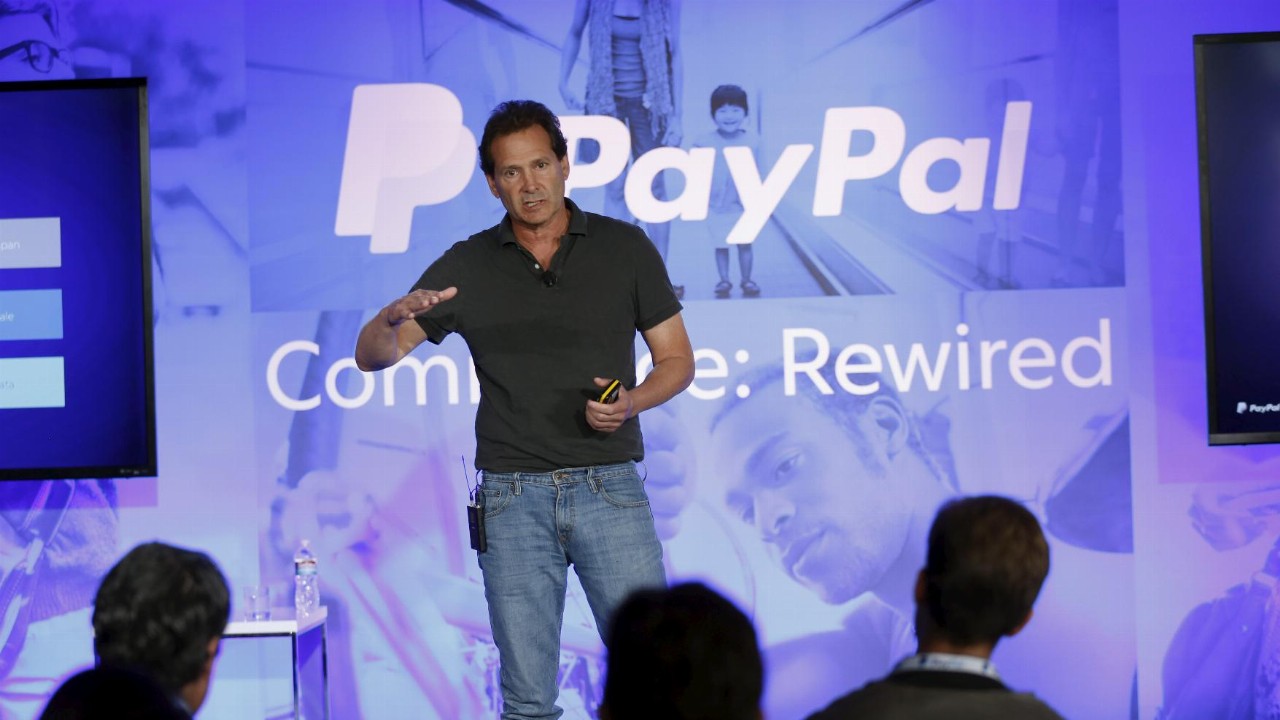
Shares in NASDAQ-listed PayPal jumped on Monday after a report said the fintech giant was exploring ways to let its US customers trade stocks on its platform.
PayPal has also hired brokerage industry veteran Rich Hagen, according to CNBC, which cited two sources familiar with the matter. Hagen is the chief executive of Invest at PayPal, as well as the co-founder and former president of brokerage Ally Invest.
In a February presentation, PayPal said its total addressable market — including bill payment, government payments and asset trading — was US$110 trillion (A$150.8 trillion).
Meanwhile, Texas-based financial services provider Charles Schwab Corporation estimates that “investible” wealth in the United States — including funds in defined contribution plans, retail wealth management and bank deposits — exceeds US$50 trillion (A$68.55 trillion).
Retail trading has ballooned in the past few years as online platforms gained wave after wave of users and fees slowly disappeared.
However, the US Securities and Exchange Commission (SEC) chairman Gary Gensler said on Monday that a full ban of the controversial “payment for order flow” (PFOF) practice is “on the table”.
Regulators have been critical of the PFOF practice, whereby wholesale market makers pay broker-dealers to send them client orders, which they then execute on either their own trading platform or a third-party platform.
Officials have raised concerns that PFOF may incentivise brokers to send orders to platforms that maximise their own profit instead of providing customers the best execution for their trades.
Gensler noted the practice has “an inherent conflict of interest,” and that market makers gain a small spread on each trade — but that’s not all.
“They get the data, they get the first look, they get to match off buyers and sellers out of that order flow,” he added.
“That may not be the most efficient markets for the 2020s.”
Shares in popular app-based retail brokerage Robinhood Markets, which relied on PFOF for more than three-quarter of its revenue in the first quarter of the year, finished trading down 7 per cent yesterday.