

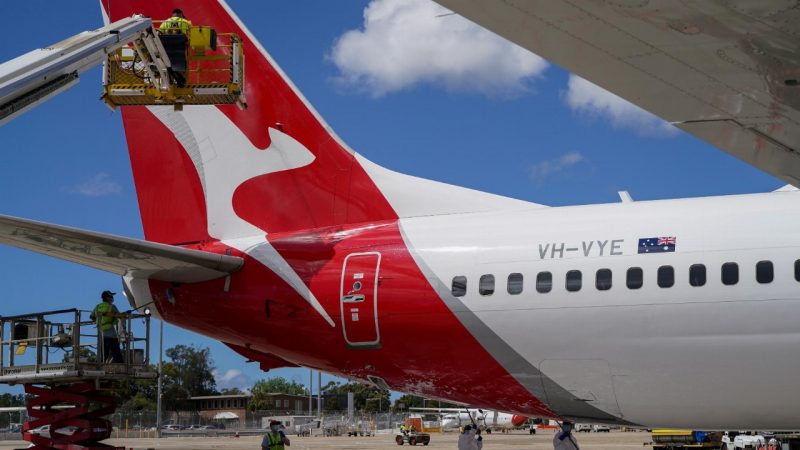
Qantas (ASX: QAN) has reported a 19.8% fall in annual net profit as the Middle East conflict drives a $610 million increase in fuel costs, despite strong premium and international demand.
Listen to the HotCopper podcast for in-depth discussions and insights on all the biggest headlines from throughout the week. On Spotify, Apple, and more.
Qantas experienced a sharp decline in FY26 profit as the Middle East conflict pushed up jet fuel costs and disrupted international flying, although strong demand for premium travel helped cushion the blow.
The airline recorded net profit of $1.3 billion for the year to June 30, down 19.8% from the previous year. Underlying pre tax profit fell 13.8% to $2.06 billion, while revenue increased 7.1% to $25.5 billion.
The biggest pressure came from fuel. Qantas said its fuel bill increased by $610 million during the year, with the conflict involving Israel, the US and Iran driving a sharp rise in jet fuel prices.
The airline estimated the conflict had a $420 million net impact on earnings after accounting for measures including fare increases, capacity changes and aircraft redeployment.
Chief executive Vanessa Hudson said the final four months of the financial year were particularly challenging, with weaker business and consumer confidence affecting travel demand.
Despite the pressure, Qantas continued to benefit from strong international demand, particularly among premium customers. Premium cabin revenue is growing at twice the rate of economy revenue across the airline’s international network, supporting its strategy of investing in newer aircraft with a greater proportion of premium seating.
Jetstar also remained a key part of the group, with Hudson highlighting continued strength from the lower cost carrier as households remained under pressure.
Qantas has responded to the higher fuel environment by adjusting fares and capacity, while maintaining substantial fuel hedging. The airline said it remains highly hedged against Brent crude, although hedging does not completely shield it from movements in the cost of converting crude oil into jet fuel.
At the same time, the airline is positioning its fleet for a longer term shift towards more fuel efficient aircraft. Qantas plans to begin retiring its A380 fleet from 2028, with the aircraft to be phased out progressively.
For investors, the FY26 result highlights the sensitivity of Qantas’ earnings to fuel prices and geopolitical disruption, but also points to areas of resilience across the business. International and premium demand remains strong, while Jetstar provides exposure to more price conscious travellers.
Join the discussion: See what’s trending right now on HotCopper, Australia’s largest stock forum, and be part of the conversations that move the markets.
The material provided in this article is for information only and should not be treated as investment advice. Viewers are encouraged to conduct their own research and consult with a certified financial advisor before making any investment decisions. For full disclaimer information, please click here.