

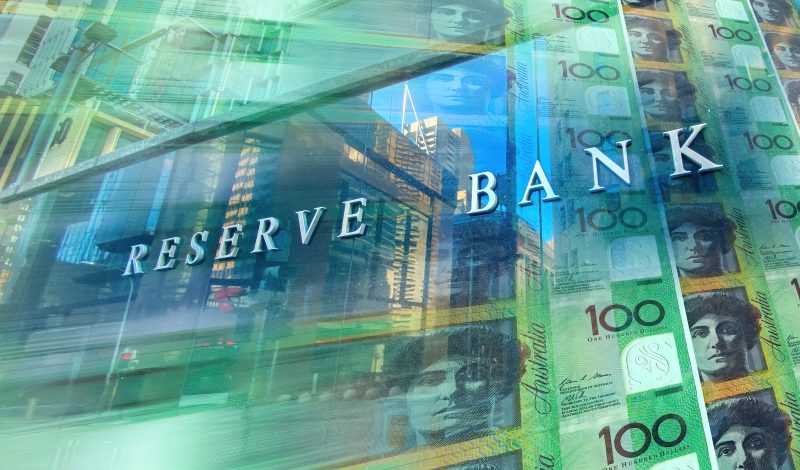
It’s Melbourne Cup day, the race that stops a nation. But while the horses line up at Flemington, plenty of Australians have their eyes on a different event – and perhaps their fingers crossed.
It may not be an event that stops the nation, but perhaps it should. The Reserve Bank’s interest rate decision has the potential to affect millions of Australians, from homeowners watching their mortgage repayments to families managing household budgets and investors weighing up their next move.
At 2.30pm AEDT, the RBA delivered its November interest rate decision, raising the official cash rate by 25 basis points to 4.85%.
It is the fifth increase this year, taking the cash rate to its highest level since November 2008.
Why the RBA raised rates again
The decision comes as inflation continues to prove more stubborn than the RBA had anticipated.
In its statement, the Monetary Policy Board said recent data showed inflation remained elevated and was broadly based. It also revised its inflation outlook materially higher, warning that inflation is now expected to remain above 3% for the coming year.
The Bank pointed to several sources of price pressure.
Higher fuel and commodity prices, partly linked to the ongoing conflict in the Middle East, are adding to costs. But the RBA also highlighted domestic pressures, including strong demand for technology-related goods associated with AI investment, and businesses passing higher costs on to customers.
The concern is that these pressures could become embedded in expectations, making inflation harder to bring back under control.
The RBA now expects inflation to return to the top of its 2–3% target range only in late 2027 – around three quarters later than it had previously forecast.
The latest ABS figures help explain the concern. Annual headline inflation rose to 4.3% in September, up from 4.0% in August, while trimmed mean inflation – a measure of underlying price pressures – increased to 3.6% from a revised 3.5%.
Both remain above the RBA’s target range.
A slowing economy, but the RBA remains focused on inflation
The decision is not without consequences.
The RBA acknowledged that higher interest rates are already tightening financial conditions. Housing prices have fallen significantly, unemployment has risen and the economy is slowing.
Its updated forecasts point to further moderation in economic growth, weaker household consumption and a rise in unemployment that is greater than previously expected.
That puts the Bank in a difficult position. Higher rates are intended to cool demand and ease inflation, but they also place additional pressure on households and businesses already dealing with higher costs.
The Board nevertheless judged that further tightening was warranted, given the revised inflation outlook and the risk that higher inflation expectations could become entrenched.
The decision was not unanimous. Six Board members voted to increase the cash rate by 25 basis points, while three voted to leave it unchanged at 4.60%.
The rate rollercoaster
Today’s move follows a series of increases that have reversed last year’s easing cycle.
After cutting rates three times in 2025, taking the cash rate from 4.35% to 3.60%, the RBA began lifting rates again in February this year.
The five increases since February have added 1.25 percentage points to the cash rate.
2024
2025
2025
2025
2026
2026
2026
2026
2026
Interest rates have been considerably higher in Australia’s past. The cash rate reached 17.5% in 1990, but a lower rate today does not necessarily mean households are feeling less pressure.
What it means for households and investors
For mortgage holders, another 25-basis-point increase means further pressure on repayments if lenders pass the rise through in full.
Savers may benefit from higher deposit rates, although the extent of any benefit will depend on how banks adjust their products.
For investors, the implications are broader. Higher interest rates can influence borrowing costs, consumer spending, property demand and company valuations. Businesses reliant on debt or discretionary consumer spending may face a tougher environment, while banks and deposit-taking institutions can experience different effects depending on funding costs, lending demand and margins.
The RBA’s comments also suggest that the outlook for interest rates will remain closely tied to incoming inflation and employment data. It has not committed to a particular path, saying it will remain attentive to the data and evolving risks.
The next move is what matters
The RBA has made clear that bringing inflation sustainably back to target remains its priority, even as the economy slows.
The question now is whether higher rates will be enough to bring price pressures under control – or whether households and businesses will face further tightening.
For households and investors alike, interest rates are just one part of a much bigger financial picture. The challenge is not simply anticipating the RBA’s next move, but making informed decisions today that help build financial security for the future.
Join the discussion: See what’s trending right now on HotCopper, Australia’s largest stock forum, and be part of the conversations that move the markets.
The material provided in this article is for information only and should not be treated as investment advice. Viewers are encouraged to conduct their own research and consult with a certified financial advisor before making any investment decisions. For full disclaimer information, please click here.