

Stagflation is every investor’s nightmare. Growth slows, consumers cut spending, unemployment rises, yet prices remain stubbornly high. Normally, when economies weaken, inflation falls, but in a stagflation environment, both problems occur simultaneously.
Listen to the HotCopper podcast for in-depth discussions and insights on all the biggest headlines from throughout the week. On Spotify, Apple, and more.
While Australia isn’t facing a full-blown 1970s-style stagflation crisis, the warning signs are becoming harder to ignore. Inflation remains above the RBA’s target range, unemployment has climbed to 4.4 per cent, productivity growth is weak and economic growth continues to slow under the weight of higher interest rates.
For many Australians, it feels like the worst of both worlds. Wage growth is struggling to keep pace with living costs, households are tightening their belts, and businesses are battling rising expenses, but investors should remember one important lesson from history: even in difficult economic environments, some sectors thrive.
During the stagflation era of the 1970s, many of the market’s biggest winners were not the exciting growth stocks of the day. Instead, investors flocked to businesses that controlled essential resources, produced energy, supplied critical infrastructure or sold products people simply could not live without. That same playbook may be worth considering today.
While giants like BHP and Rio Tinto remain popular choices, paying close attention to companies such as Lynas Rare Earths, Genesis Minerals, Paladin Energy, IGO and APA Group could be where future growth lies.
The common thread is simple. These businesses are tied to commodities, energy security, infrastructure and essential services. Many possess something incredibly valuable during periods of economic stress: pricing power. When costs rise, they often pass those increases on to customers rather than absorb the pain themselves.
That is why the goal in a stagflation environment is not necessarily to find the cheapest stocks; it is to find the strongest businesses. Look for companies with robust cash flow, manageable debt, reliable dividends, dominant market positions and products that remain in demand regardless of economic conditions.
Stagflation can be brutal for weak businesses, but for investors willing to adapt, it can also create some of the biggest opportunities of the cycle. The winners of the next bull market may not be the same companies that dominated the last one. In fact, if stagflation continues to gain a foothold, the biggest profits could come from owning the businesses that keep the economy running even as everything else slows.
Good luck and good trading.
Join the discussion: See what’s trending right now on Australia’s largest stock forum and be part of the conversations that move the markets.
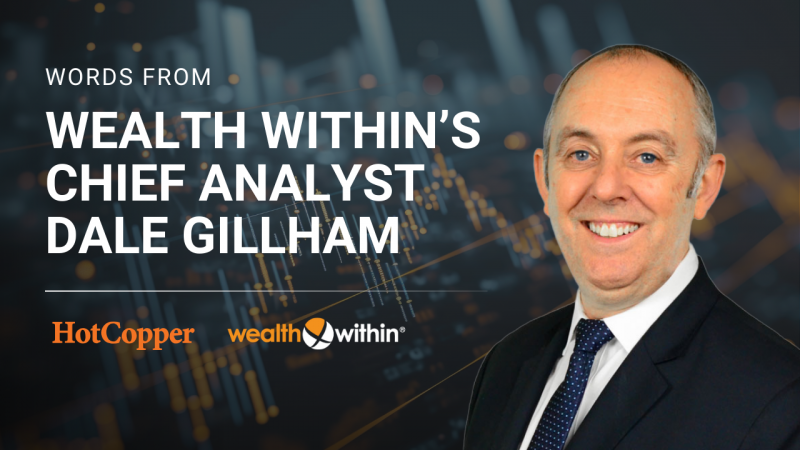
Dale Gillham is Chief Analyst at Wealth Within and an international bestselling author of How to Beat the Managed Funds by 20%. He is also the author of Accelerate Your Wealth—It’s Your Money, Your Choice, which is available in bookstores and online at www.wealthwithin.com.au.
The material provided in this article is for information only and should not be treated as investment advice. Viewers are encouraged to conduct their own research and consult with a certified financial advisor before making any investment decisions. For full disclaimer information, please click here.