
Join our daily newsletter At The Bell to receive exclusive market insights
- Two big banks have launched zero-interest credit card products, in a bid to lure people away from buy now, pay later finance
- Top ASX listers NAB (NAB) and Commonwealth Bank (CBA) both announced new credit cards this week, which offer zero per cent interest
- Each card does attract a monthly fee though and both are capped at $3,000 as a maximum credit available
- The shift in offering comes as Afterpay (APT) and Zip Co’s (Z1P) total customer base grew to 5.4 million in Australia and New Zealand this year
- The majority of buy now pay later users are also aged beteen 25 and 44 and the services generally don’t charge any monthly or annual fees
Two of Australia’s biggest banks have launched zero-interest credit cards, in a bid to lure young consumers away from buy now, pay later finance.
What’s on offer?
NAB (NAB) was the first big bank to launch its zero per cent interest product, named the NAB Straight Up card, on Wednesday.
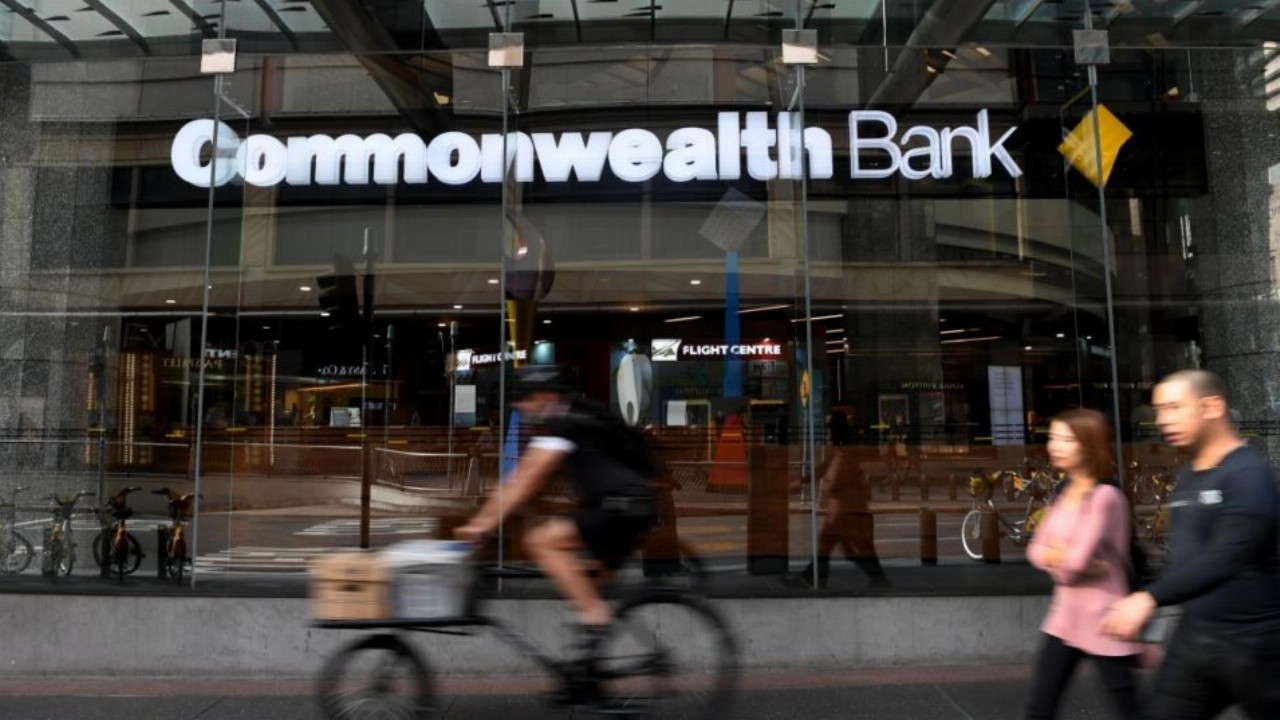
Commonwealth Bank quickly followed suit on Thursday and announced it also had a zero interest credit card in the works, titled the CommBank Neo card.
Both credit cards boast no interest fees, no late-payment fees and no foreign currency fees – instead users just have to pay a monthly account fee.
For the NAB product, users will be slugged between $10 and $20 a month depending on their credit amount.
While CBA’s product has slightly higher fees of between $12 and $22 a month, again depending on the credit amount.
Each card has a $3,000 credit spending cap and both banks warn its products cannot be used for gambling or cash advances.
New approach
The new offerings from the two big banks come as millions of millenial and Gen X consumers ditch traditional credit cards in favour of buy now, pay later services.
In its recent FY20 report, leading buy now, pay later provider Afterpay (APT) revealed it had 3.3 million users in Australia and New Zealand.
While competitor Zip Co (Z1P) said it had 2.1 million users in the same region, with the majority of users aged between 25 and 44.
Speaking about the increasing financial competition posed by these companies, NAB Group Executive, Personal Banking, Rachel Slade said it was clear innovation was needed.
“Credit cards have not really evolved in recent years,” Rachel admitted.
“But our customers’ needs and expectations are changing and we want to change with them,” she added.
The big bank also argued its zero-interest card offered a distinct advantage over buy now, pay later services – by offering a continuing line of credit.
Both NAB and CBA’s zero interest credit cards will waive its monthly account fee, if users decide not to make any purchases.
But, considering most buy now, pay later services don’t charge their customers any monthly account fees – the big bank’s latest offering may struggle to compete.
Regardless of the long-term success of the products, both Afterpay and Zip’s share price has dropped since the big banks announcements.
Afterpay is currently down 1.11 per cent, at $74.79. While Zip’s stock is down 5.76 per cent, trading for $6.05 cents per share at 2:07 pm AEST.