
Join our daily newsletter At The Bell to receive exclusive market insights
- New data from the Australian Bureau of Statistics (ABS) shows annual inflation figures have risen just 1.1 per cent in the 12 months to March 31
- The ABS has released its latest cost price index (CPI) report, showing a 0.6 per cent jump in CPI over the March quarter
- It also revealed the trimmed mean, a measure of underlying inflation, rose by 1.1 per cent as well — its lowest annual movement on record
- Meanwhile, the cost of new homes and tertiary education remained low, which the ABS said is likely due to a number of government schemes
- The bureau also stated automotive fuel and pharmaceutical products saw the bigger price rises of 8.7 per cent and 5.3 per cent respectively
- More broadly, the low inflation figures are below the Reserve Bank of Australia’s (RBA) benchmark for raising the historically low cash rate
New data from the Australian Bureau of Statistics (ABS) shows annual inflation figures have risen by just 1.1 per cent in the 12 months to March 31.
The ABS released its latest cost price index (CPI) report on Wednesday, showing a 0.6 per cent jump in CPI over the March quarter.

It also revealed the country’s trimmed mean — a measure of underlying inflation — rose by 1.1 per cent over the March quarter as well.
That’s the lowest annual movement on record and follows a 1.2 per cent rise during the previous December quarter.
Commenting on the figures, the Bureau’s Head of Prices Statistics Michelle Marquardt said petrol prices partially fuelled the rise.
“Higher fuel prices, compared with the low prices seen in 2020, accounted for much of the rise in the March quarter CPI,” she said.
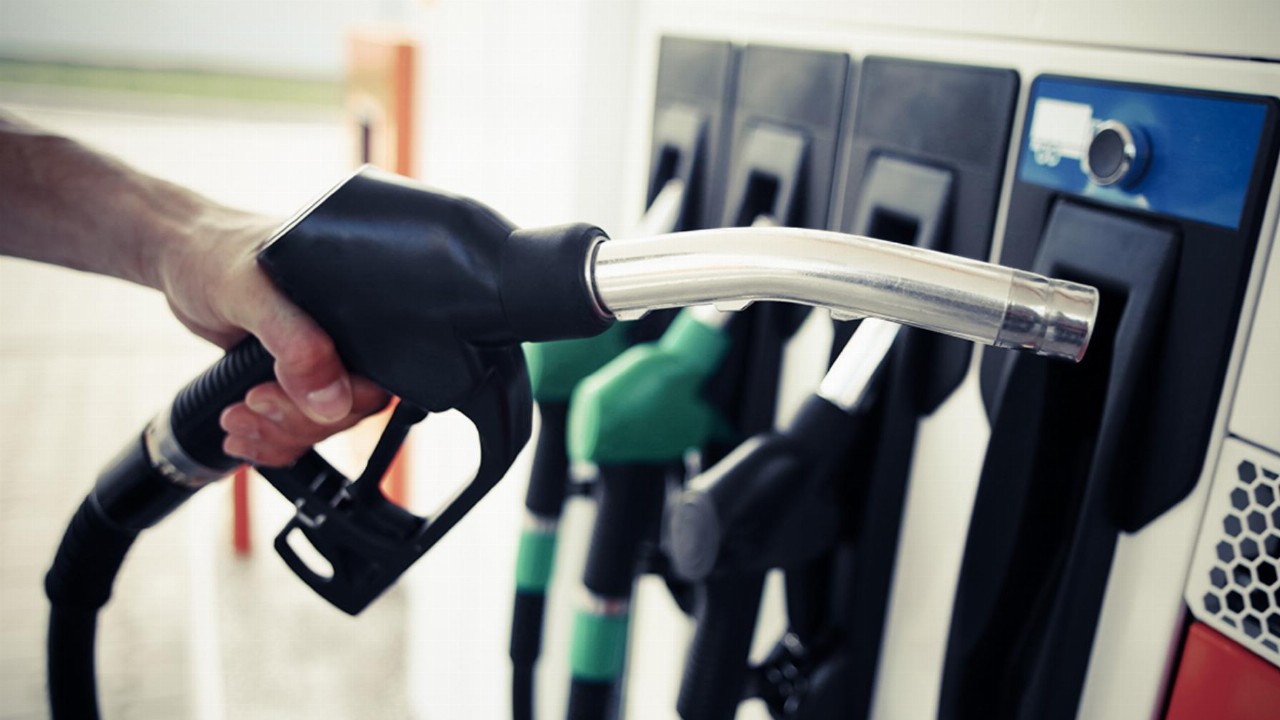
Automotive fuel rose 8.7 per cent over the quarter, while pharmaceutical products jumped up 5.3 per cent during the three-month period.
However, the cost of new homes and tertiary education remained low, which Michelle said is likely due to a number of government schemes.
“The fall in new dwelling prices was due to the impact of the Federal Government’s HomeBuilder grant and similar grants by the WA and Tasmanian State Governments,” she said.
“Without the offset from these grants, the price of new dwellings would have risen, reflecting increases in materials and labour prices in response to strong demand,” she added.
“The Federal Government’s Job-ready Graduates Package resulted in a fall in tertiary education fees this quarter,” Michelle stated.
“While, on average, the costs for commencing students increased, those for continuing students fell mainly due to the grandfathering arrangements included in the package,” she said.
More broadly, today’s low inflation figures are well below the Reserve Bank of Australia’s (RBA) benchmark for removing its supportive monetary conditions.
This includes the Reserve Bank’s historically low cash rate, which currently sits at 0.10 per cent.
RBA Governor Phillip Lowe said earlier this month that the board won’t “increase the cash rate until actual inflation is sustainably within the 2 to 3 per cent target range.”