

Join our daily newsletter At The Bell to receive exclusive market insights
- The Federal Government has released a roadmap for an updated and upgraded biosecurity system through to 2030
- The roadmap will focus on stronger governance and regulation, tech improvements and bolstered funding
- While the amount being invested into the roadmap has not been specified, the Federal Government claims the biosecurity plan will protect $5.7 trillion in environmental assets over the next 50 years
- Overseas pests will be the core focus of the biosecurity plan given the staggering damage they can do to an economy if left unchecked
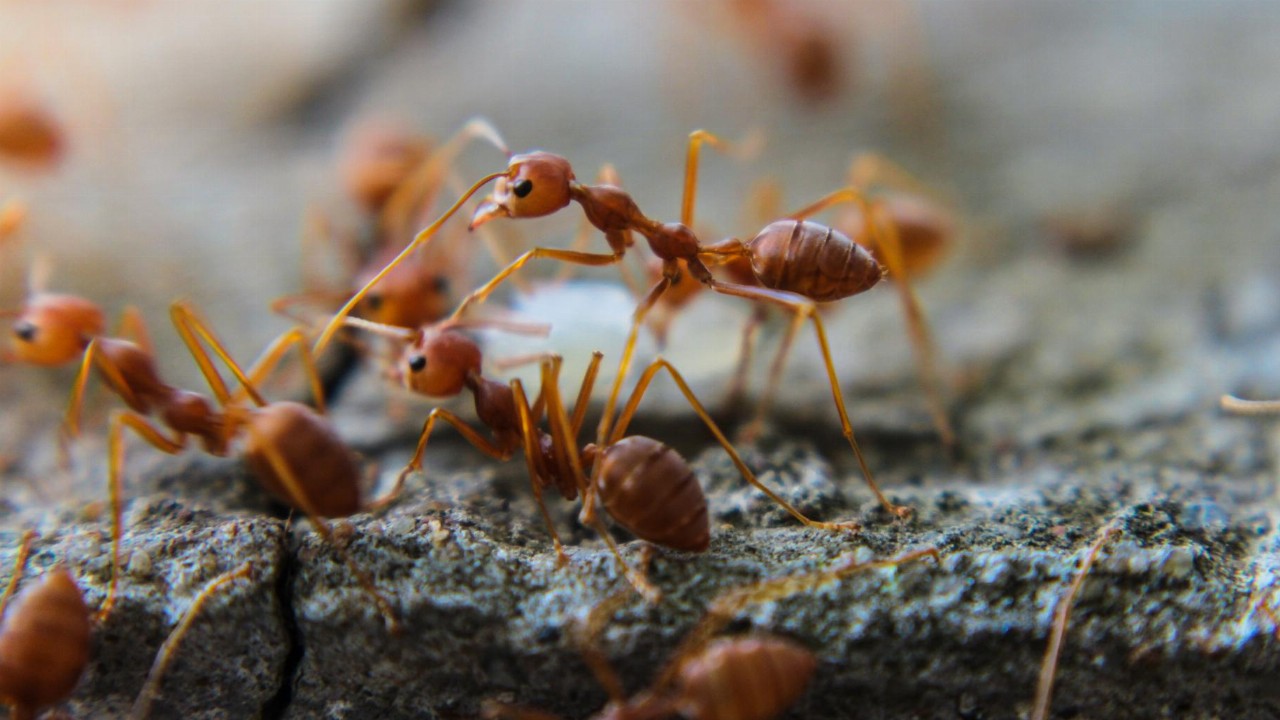
- Research suggests that the South American red imported fire ant, for example, would have caused $45 billion in damages over 30 years if the government left it unchecked in 2016
- The biosecurity plan will expand Australia’s offshore detection and assurance arrangements to identify and deal with biosecurity risks before they even depart for Australian shores
The Federal Government has released a roadmap for an updated and upgraded biosecurity system through to 2030.
With COVID-19 bringing biosecurity into the limelight over the past year, the new Commonwealth Biosecurity 2030 roadmap is designed to keep Australia on top of disease spread, pests and threats to native wildlife and agriculture.
Australia’s Director of Biosecurity, Andrew Metcalfe, said with increasing cargo and mail arriving into Australia from overseas, pests and diseases are becoming more and more difficult to manage.
“A strong biosecurity system is all that stands between us and these growing risks,” the Biosecurity Director said.
“Commonwealth Biosecurity 2030 outlines how we will build our future system and keep Australia at the forefront of best-practice biosecurity.”
The new roadmap will focus on stronger governance and regulation, tech improvements and bolstered funding.
The roadmap highlights the importance of the government partnering with key research institutions to build detection technologies for overseas pests.
On top of this, the biosecurity plan will expand Australia’s offshore detection and assurance arrangements to identify and deal with biosecurity risks before they even depart for Australian shores.
While the roadmap doesn’t specify just how much the government plans to invest in biosecurity over the next decade, it outlines the staggering amount of damage that could be done if biosecurity threats are left unchecked.
Valuable protection
The purpose of the upped biosecurity investment is to protect the trillions of dollars worth of assets and industries under threat by overseas pests and disease.
For example, the Federal Government claims the biosecurity plan will protect $5.7 trillion in environmental assets over the next 50 years. Upped biosecurity measures also target $51 billion worth of agriculture, forestry and fishery exports, $50 billion in tourism contribution to Australia’s GDP and 1.6 million jobs.
As it stands, Australia’s biosecurity system is expected to be worth $314 billion over the next 50 years.
What are the threats?
While diseases like COVID-19 and Ebola are certainly part of Australia’s biosecurity protection plan, the majority of the damage to the country would come from overseas pests if they were left to roam free across Australia.
For example, the South American red imported fire ant hit Australian shores in the early 2000s and has been a major biosecurity hazard ever since. Research suggests that if the government decided to leave the ant uncontrolled in 2016, it would cause $45 billion in damages over 30 years.
Foot-and-mouth disease, which is a highly contagious animal disease, has broken out in several countries over the past two decades, causing billions of dollars worth of damage.
The disease is currently not present in Australia, but the government predicts it would cause almost $52 billion in damages in just 10 years should there be a major outbreak in the country.
Other dangerous biosecurity threats include the varroa mite, a parasite that weakens and eventually kills honey bees; Xylella, a bacterial disease that kills a range of different types of plants; and rabies, the serious viral disease that affects warm-blooded animals.
Australia is one of only a few countries that is currently completely free of rabies.
The Department of Agriculture’s Head of Biosecurity, Andrew Tongue, said Australia will use strong existing relationships to guide its work towards the 2030 biosecurity strategy.
“We need it to be a risk-based system that effectively, efficiently and sustainably protects Australia against the biosecurity threats of today and tomorrow,” he said.