
Join our daily newsletter At The Bell to receive exclusive market insights
- Australia is on track to reduce carbon emissions by as much as 57 million tonnes in 2021, the Clean Energy Regulator says
- The latest Quarterly Carbon Market Report shows large-scale renewable energy targets and a strong uptake of rooftop solar are driving the “strong” results
- The regulator says the regulator said it expects the Emissions Reduction Fund (ERF) to credit some 17 million tonnes of emission reductions in 2021
- Minister for Energy and Emissions Reduction Angus Taylor said the latest data proves that the government’s “technology, not taxes” initiative is working
- According to the International Renewable Energy Agency (IRENA), Australia currently leads the world in renewables investment
Australia is on track to reduce carbon emissions by as much as 57 million tonnes in 2021, according to Clean Energy Regulator.
The independent regulator, established under the 2012 Labor government, said this 57-million-tonne reduction was a conservative estimate but would still top 2020’s reductions by 7 per cent.
The Clean Energy Regulator’s Quarterly Carbon Market Report for the March quarter said large-scale renewable energy targets and a strong uptake of rooftop solar across the nation are drivers of the predicted “strong” results.
Further to this, the regulator said it expects the Emissions Reduction Fund (ERF) to credit some 17 million tonnes of emission reductions — known as Australian Carbon Credit Units, or ACCUs — in 2021. This would top 2020’s record of 16 million tonnes of ACCUs.
The ACCU increase comes on the back of 44 projects registered under the ERF between January and March, which is the largest first-quarter result ever recorded.
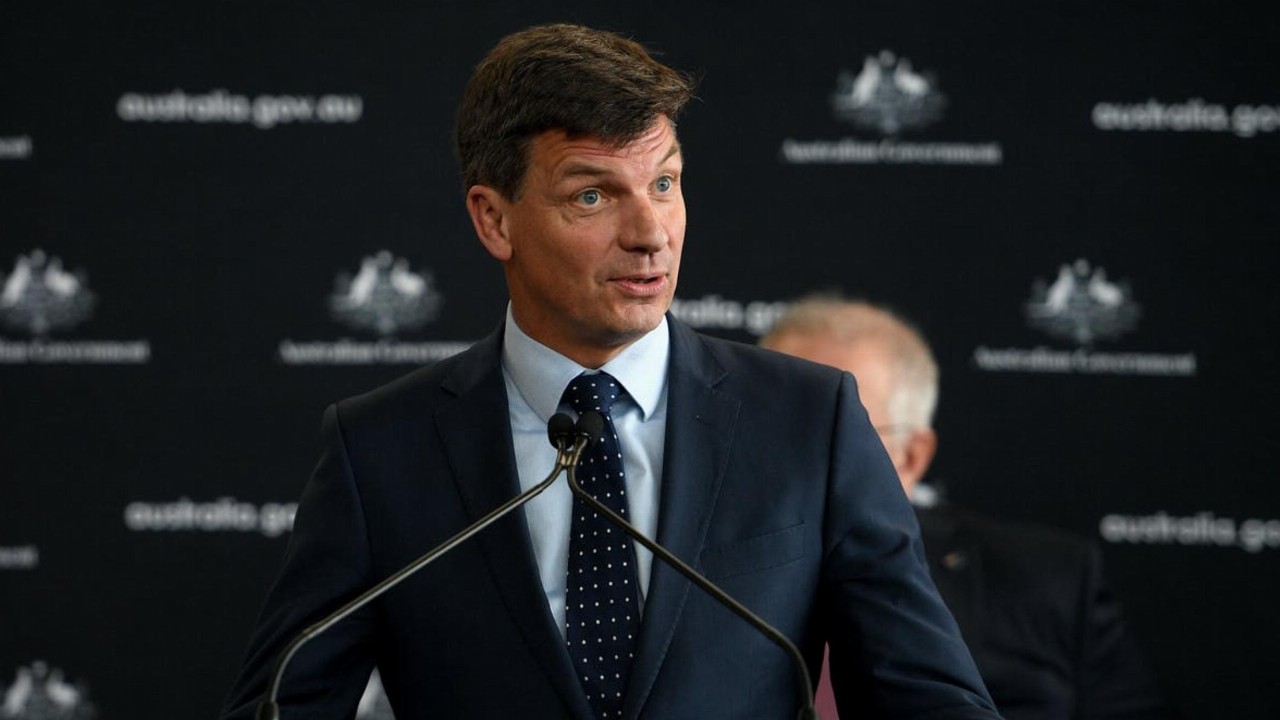
Minister for Energy and Emissions Reduction Angus Taylor said the latest Clean Energy Regulator data proves that the government’s “technology, not taxes” approach to reducing carbon emissions was working.
“More and more Australians are choosing rooftop solar as the costs come down and it makes economic sense for them,” Minister Taylor said.
“The Morrison Government is looking to get the next wave of clean energy technologies to commercial parity with higher emitting alternatives so we can reduce emissions across every sector of the economy, while protecting industries and jobs, and creating new ones.”
He said by investing in technological breakthroughs, the government could make sure regional communities and industries didn’t wear the costs of reducing emissions.
According to the International Renewable Energy Agency (IRENA), Australia currently leads the world in renewables investment.
The country added seven gigawatts of renewables capacity in 2020, making it the third year in a row Australia added the highest wind and solar capacity per capita of any developed nation.
This growth continued during the first quarter of 2021, with 792 megawatts of rooftop solar installed around the country — up 28 per cent on the same time last year.
All up, the Clean Energy Regular said it expected between 3.5 gigawatts and 4 gigawatts of rooftop solar capacity to be added over 2021.
According to the latest data from the regulator, renewables now make up around 19.1 per cent of Australia’s electricity generation. Gas makes up 14.9 per cent, brown coal makes up 15.4 per cent, and black coal makes up 50.6 per cent.
Australia contributes around one per cent to the world’s total carbon dioxide equivalent emissions.