
Join our daily newsletter At The Bell to receive exclusive market insights
- Australia is committing to achieving net-zero emissions by 2050, after the Morrison government earned internal backing for a new climate policy
- Around $20 billion has been promised to low emissions technology development, including clean hydrogen, carbon capture, energy storage and solar power
- The Prime Minister says his government’s plan will use this priority technology, and not taxes or other financial mechanisms, to reduce Australia’s emissions
- Scott Morrison added that the policy prioritised job-creation and would avoid negatively impacting existing resource sectors as well as regional communities
- Labor Leader Anthony Albanese has criticised the plan though, saying it needs to be enshrined in law in order for it to work
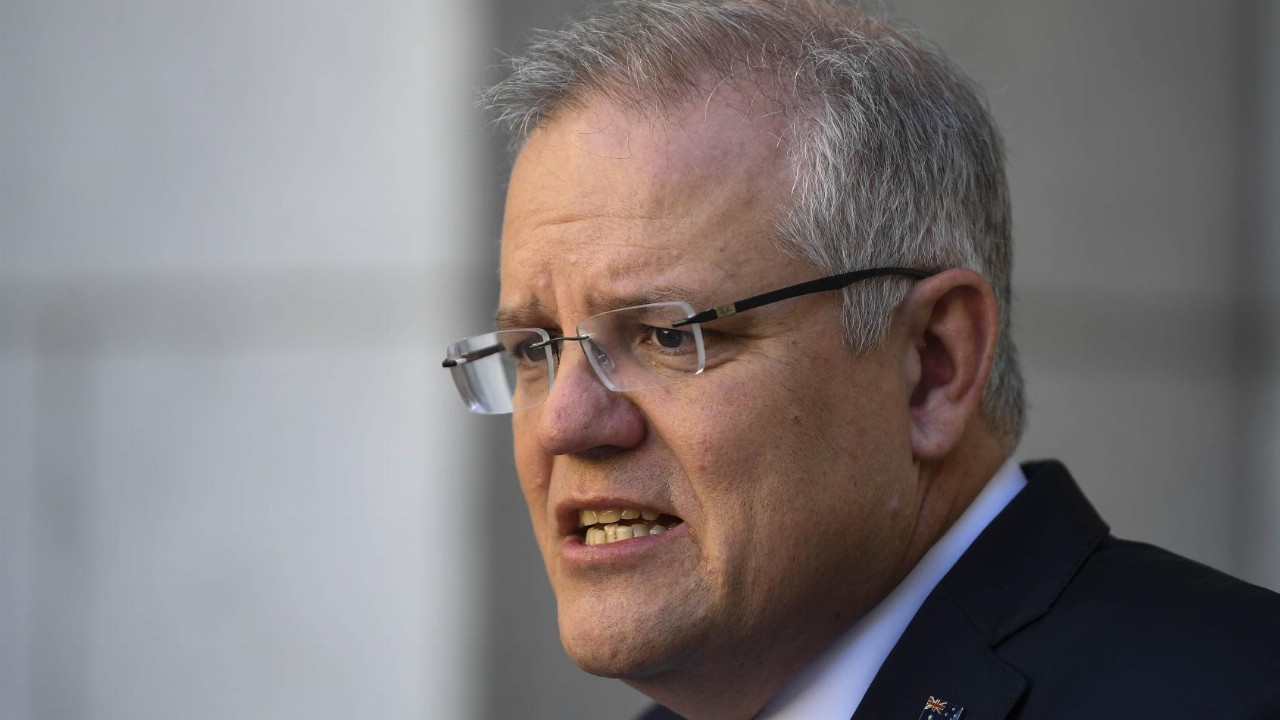
Australia is committing to net-zero emissions by 2050 after the Morrison Government secured internal support for a new climate policy after weeks of heightened debate.
The Prime Minister has been negotiating with the National Party to release a Coalition plan from climate change ahead of a key summit of world leaders.
Scott Morrison today announced $20 billion has been promised to low emissions technology, including clean hydrogen, carbon capture, energy storage and solar power.
Mr Morrison said under the new plan, priority technology – not taxes or other financial mechanisms – will be used to reduce Australia’s emissions.
“The plan will deliver results through technology, not taxes. It respects people’s choice, and will not force mandates on what people can do or buy,” the PM said.
The Prime Minister added that the policy prioritised job-creation and would avoid negatively impacting existing resource sectors as well as regional communities
“It guarantees that we keep downward pressure on energy prices and secures reliable power,” he said. “It will ensure Australia continues to serve traditional markets, while taking advantage of new economic opportunities.”
Energy Minister Angus Taylor said Australia was already on track to reduce its emissions by 35 per cent in the coming decade.
“Between 2005 and 2021, Australia’s emissions fell by 20.8 per cent, outpacing the reductions of the United States, Canada and New Zealand, and every other major commodity exporting nation in the world,” Mr Taylor said.
“The most recent forecast shows we will cut our emissions by up to 35 per cent by 2030.
“We are committed to closing the gap to net zero over the next three decades in a way that is consistent with Liberal Party and National Party values.”
Federal Labor has already criticised the Coalition’s policy, arguing its climate change policy should be enshrined in law like previous commitments.
Opposition leader Anthony Albanese said too many members within the Liberal-National didn’t believe in climate change.
“The fact is that the only reason why there is not going to be legislation about net zero by 2050 isn’t that there’s a risk it won’t be carried,” Mr Albanese said.
“It is because the Coalition would be embarrassed by the number of their own members who would cross the floor.”