
Join our daily newsletter At The Bell to receive exclusive market insights
- New data from the Australian Bureau of Statistics (ABS) shows a further recovery in Australian retail spending over February, lending to a strong first quarter of the year
- Australian retail turnover rose 1.8 per cent in February to over $33 billion, comfortably exceeding analyst forecasts of a 1.0 per cent gain
- The bulk of the February increase came from discretionary spending as consumer cautiousness lessened
- At a state level, New South Wales and Victoria posted the biggest monthly gains, up 3.9 per cent and 1.9 per cent, respectively, as COVID-19 restrictions continued to ease
- WA retail spending fell by 2.9 per cent, largely driven by supply chain issues caused by the shutdown of a 300-kilometre stretch of the critical Trans-Australian railway
New data from the Australian Bureau of Statistics (ABS) shows a further recovery in Australian retail spending over February, lending to a strong first quarter of the year.
Australian retail turnover rose 1.8 per cent in February to over $33 billion, comfortably exceeding analyst forecasts of a one per cent gain.
The rise follows a 1.6 per cent increase in January as many states and territories began their Omicron recovery. February’s sales numbers were 9.1 per cent higher than February 2021.
ABS Director of Quarterly Economy Wide Statistics Ben James said February’s result saw retail sales reach their second-highest level on record and showcased a recovery of the lost momentum caused by the spread of Omicron over December and early January.
“Lower COVID-19 numbers in February, alongside the further easing of restrictions over the month, saw consumer spending return to similar behaviour seen previously as states and territories come out of a COVID-19 wave,” Mr James said.
He said the bulk of the February increase came from discretionary spending as consumer cautiousness lessened. Non-discretionary industries actually contracted — food retailing, for example, slipped 2.6 per cent in February.
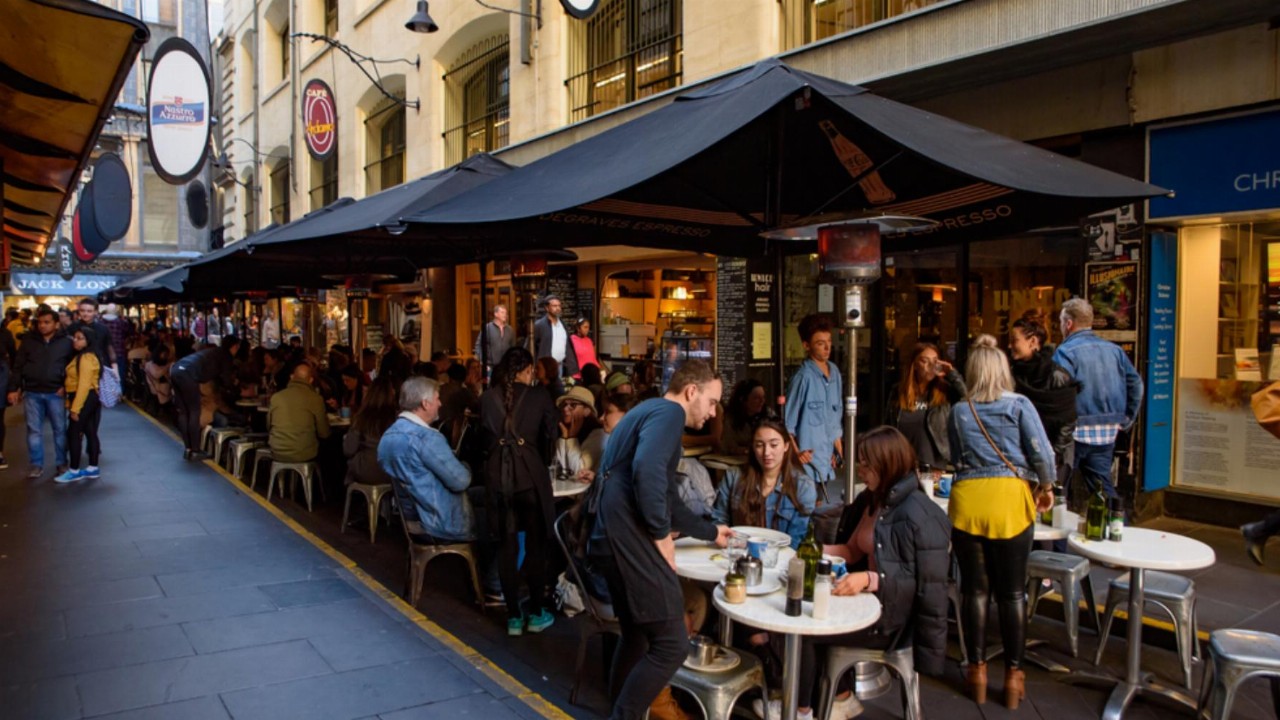
Meanwhile, spending at cafes, restaurants, and takeaway joints grew a whopping 9.7 per cent. Clothing, footwear, and personal apparel spending grew 11.2 per cent, and spending at department stores grew 11.1 per cent over February.
At a state level, New South Wales and Victoria posted the biggest monthly gains, up 3.9 per cent and 1.9 per cent, respectively, as COVID-19 restrictions continued to ease.
Queensland’s retail spending increased by 1.5 per cent.
Meanwhile, Western Australian retail spending fell by 2.9 per cent, with the western state experiencing a start to its own Omicron wave ahead of the easing of strict border controls by Premier Mark McGowan.
However, ABS said despite the spread of the virus, the WA spending lull was largely driven by supply chain issues caused by the shutdown of a 300-kilometre stretch of the critical Trans-Australian railway following severe floods in South Australia.
The Northern Territory also saw spending decline by 3.8 per cent.