
Join our daily newsletter At The Bell to receive exclusive market insights
- New data from the ABS shows retail sales volumes rose by 1.2 per cent during the March quarter despite the spread of Omicron in many parts of the country
- The quarterly increase follows a 7.9 per cent rise in retail sales volumes over the December quarter after a 4.3 per cent fall in the September quarter
- Year-on-year, March quarterly spending in 2022 was 4.9 per cent higher than in 2021 in volume terms
- While discretionary spending rose, food spending fell by 1.5 per cent over the March quarter as higher food prices sent more people to cafés and restaurants
- At a state level, those most impacted by the 2021 Delta variant lockdowns continued to post the biggest retail spending growth
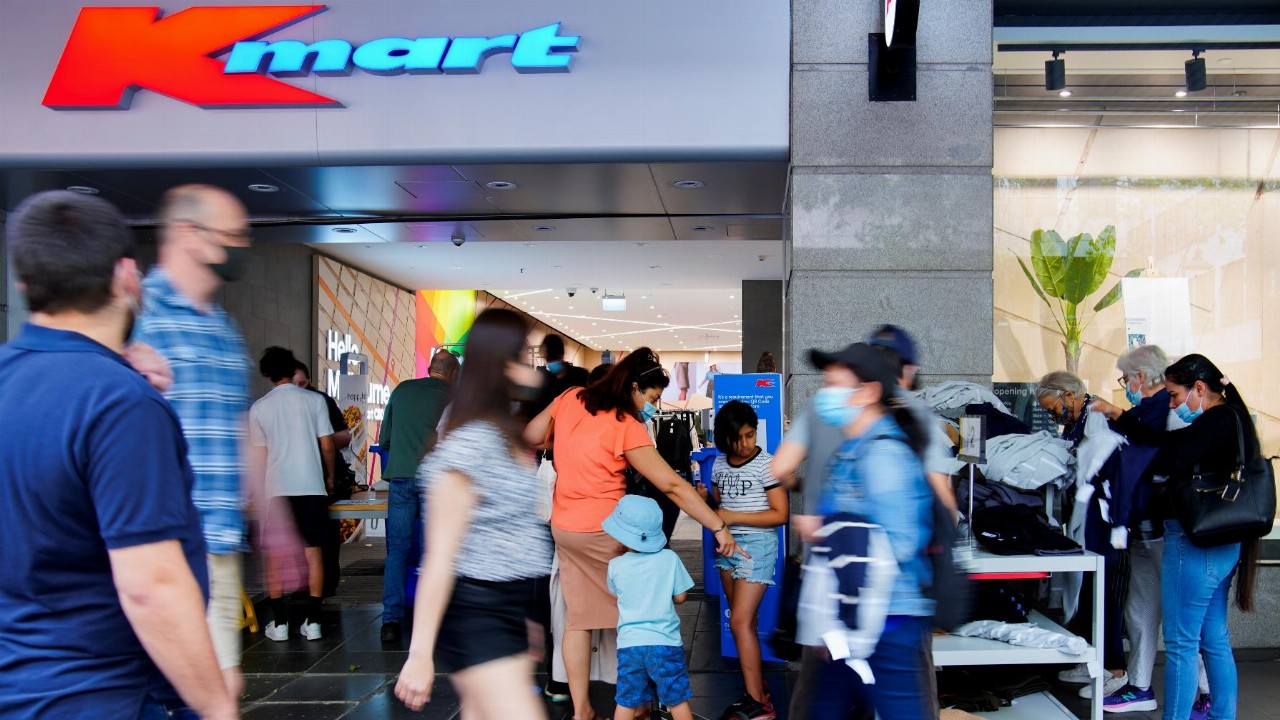
New data from the Australian Bureau of Statistics (ABS) shows retail sales volumes rose by 1.2 per cent during the March quarter despite the spread of Omicron in many parts of the country.
This came on the back of a strong month-on-month increase in March when retail sales grew 1.6 per cent.
The quarterly increase follows a 7.9 per cent rise in retail sales volumes over the December quarter after a 4.3 per cent fall in the September quarter when lockdowns and COVID restrictions continued to impact spending around the country.
Year-on-year, March quarterly spending in 2022 was 4.9 per cent higher than in 2021.
ABS Director of Quarterly Economy-Wide Statistics Ben James said Australian consumers continued to spend money in January despite the reintroduction of some COVID measures in light of the Omicron variant.
“As case numbers then began to fall and stabilise in February, and restrictions eased, consumer spending returned to familiar patterns seen following previous COVID-19 outbreaks,” Mr James said.
“Most discretionary spending industries experienced rises in volumes, despite price increases.”
While discretionary spending rose, however, food spending fell by 1.5 per cent over the quarter as price increases on fresh food and groceries sent more Australians to dine at restaurants and cafés.
As such, it’s likely no surprise cafés, restaurants, and takeaway food services saw the largest increase in spending over the March quarter, up 8.3 per cent. Retailing rose 2.3 per cent, with clothing, footwear, and personal accessories retailing up 3.6 per cent.
Apart from food shopping, household goods retailing was the only other industry to shrink in volume terms over the March quarter, down 0.9 per cent.
At a state level, those most impacted by the 2021 Delta variant lockdowns continued to post the biggest retail spending growth. Spending in New South Wales and Victoria rose 1.4 per cent and 1.5 per cent, respectively, while the ACT recorded 4.2 per cent growth over the March quarter.
Meanwhile, WA spending volumes contracted 0.3 per cent over the March quarter, with Tasmania and the Northern Territory also retreating, down 0.9 per cent and 1.7 per cent, respectively.