
Join our daily newsletter At The Bell to receive exclusive market insights
- Australian beaches have seen plastic waste drop by almost a third over the past nine years, according to CSIRO research
- Over 500 costal surveys were conducted and compared with a previous study that was completed in 2013
- The reduction was mainly due to local government waste management actions to prevent poor waste disposal
- This study found that while plastic pollution is still a global crisis, on-ground decisions are crucial for the “successful reduction of costal plastic pollution”
- Research supports CSIRO’s Ending Plastic Waste Mission, which aims to have 80 per cent reduction in plastic waste entering the Australian environment by 2030
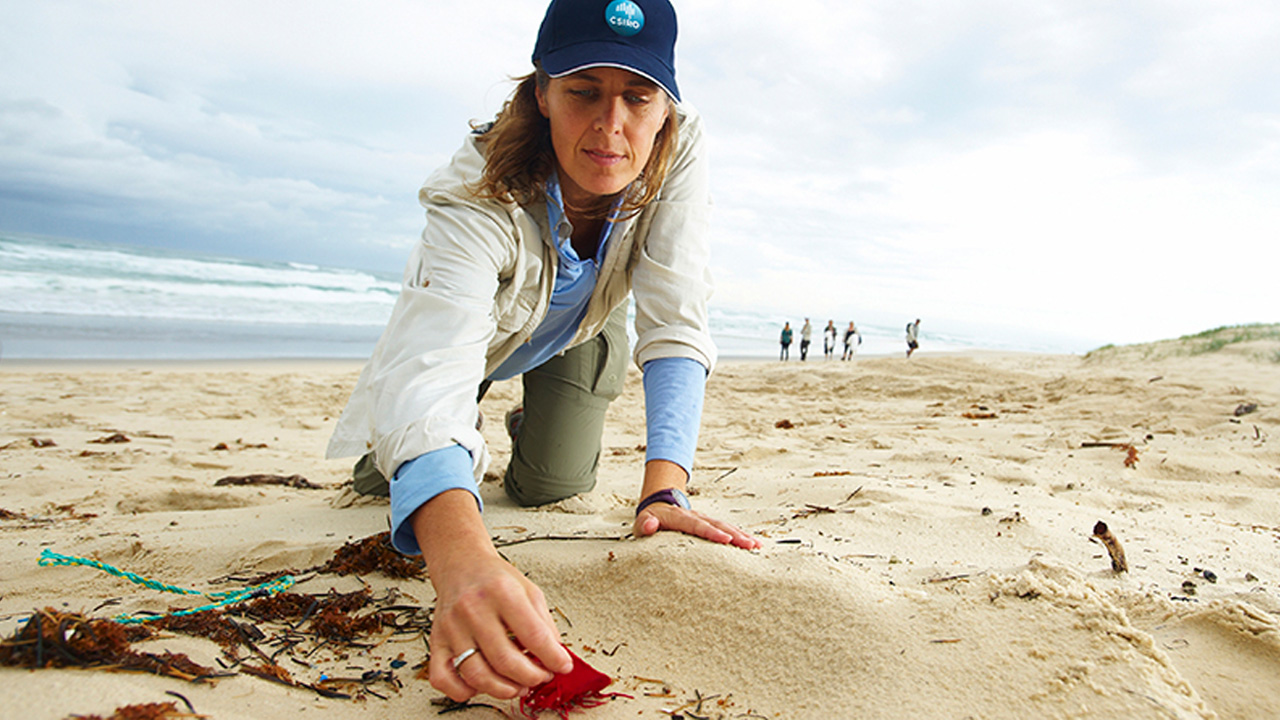
Plastic waste on Australian beaches has dropped by almost a third over the past nine years, according to research by CSIRO.
In the study, 563 costal surveys were conducted and compared with a previous study that was completed in 2013.
This study found a big decline in plastic pollution on beaches across the country.
“While we still have a long way to go, and the technical challenges are enormous, these results show that when we each play to our individual strengths, from community groups, industry, government, and research organisations, and we take the field as Team Australia – then we can win,” CSIRO Chief Executive Larry Marshall said.
The reduction was mainly due to local government waste management actions to prevent poor waste disposal. These behaviours include planned behaviour, crime prevention and economic rationality.
Planned behaviour is strategies like recycling guides, educational programs and voluntary clean-up initiatives. Crime management included illegal dumping surveillance and beach cleaning by local governments while economic rationality included actions such as curb-side waste, recycling collections and shopping bag bans.
CSIRO researcher and paper co-author Denise Hardesty said that the research showed how quickly change could happen when effective waste management strategies were deployed.
“For example, household collection services, where there are multiple waste and recycling streams, makes it easier for community members to separate and discard their waste appropriately,” Dr Hardesty said.
“Our research showed that increases in waste levies had the second largest effect on decreases in coastal plastic pollution. Local governments are moving away from a collect and dump mindset to a sort and improve approach.”
The report also found clean-up initiatives such as Clean Up Australia Day were found to be effective.
The research supports CSIRO’s Ending Plastic Waste Mission, which aims to have 80 per cent reduction in plastic waste entering the Australian environment by 2030.