

Join our daily newsletter At The Bell to receive exclusive market insights
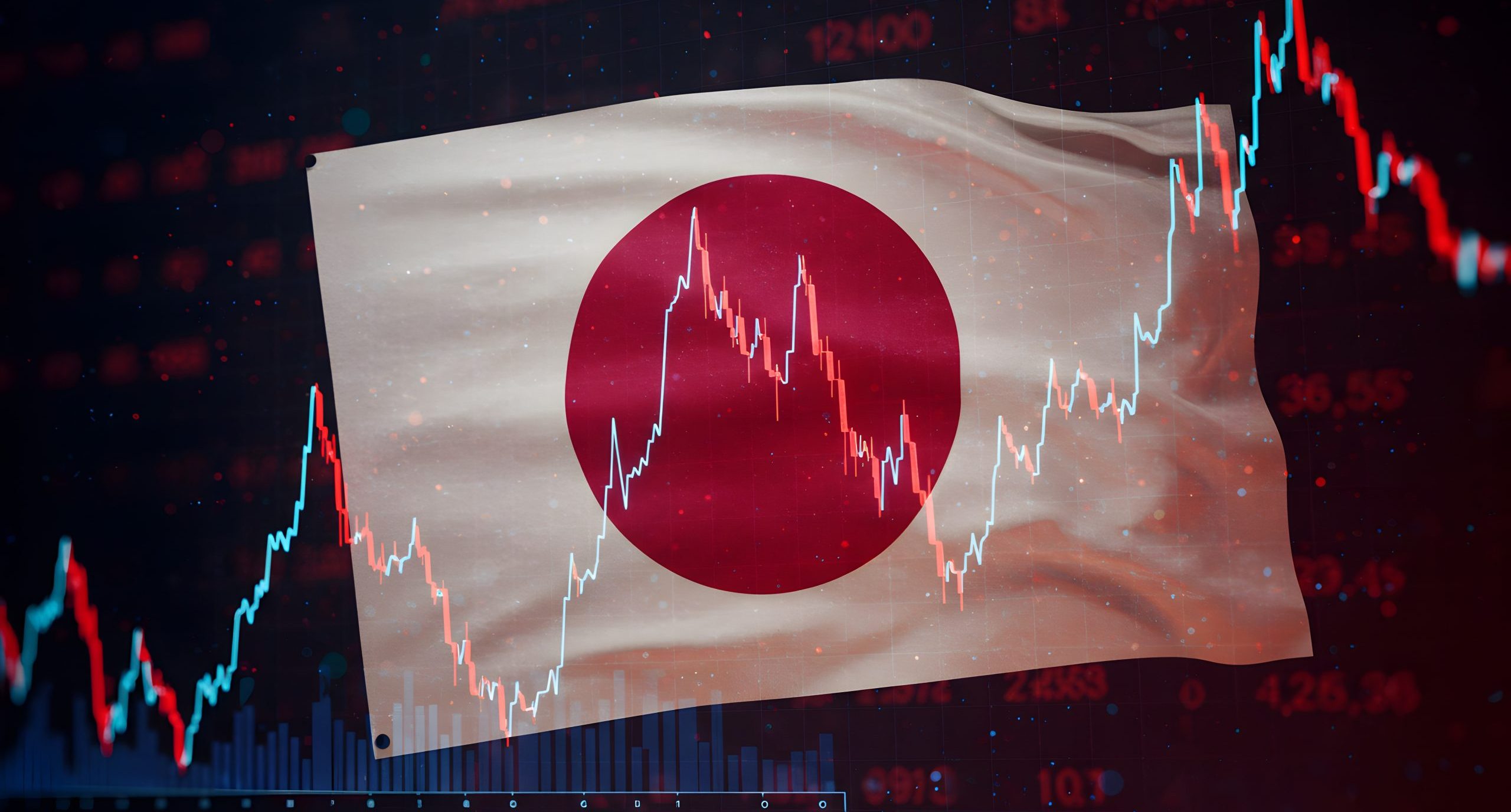
While Week 7’s Wall Street recovery is no doubt part of the story, in case you’ve been wondering why we’re seeing such strong performance from Japan’s NIKKEI index across the last few sessions, look no further than the election.
Listen to the HotCopper podcast for in-depth discussions and insights on all the biggest headlines from throughout the week. On Spotify, Apple, and more.
Prime Minister Sanae Takaichi, herself a supporter of Donald Trump (and a figure whom Trump finds endearing), heads the conservative party in Japan – confusingly called the Liberal Democratic Party, naturally – which won a ‘supermajority’ over the weekend in a national election.
In analysing what Takaichi stands for, I can provide a handy shortcut. Instead of going over her policybase, know this. Much like the so-called ‘Trump Trade,’ wherein Wall Street has shrugged off the long-term risks to America’s long-term economic supremacy in the face of Trump’s policy agenda, there’s another term getting around.
Now the markets are talking about a ‘Takaichi Trade.’ If that doesn’t spell it out for you, I don’t know what can.
In short, Takaichi wants to risk Japan’s already-world-leading debt levels by spending more to stimulate the economy. That has been one principal reason why Japanese bond yields have travelled higher recently, given yields climb higher when investors start to question long-term stability. (They’re meant to make the bonds more attractive.)
And much like the ‘Trump Trade,’ then, what we’re seeing is a contrarian bull-rally in the face of a pro-free-market-ideology leader, which Takaichi represents. An increasingly familiar thing post-COVID, the bond market looks risk-off while the market continues to charge, seemingly regardless of what the yen is doing.
Helping matters is likely that Takaichi is clearly comfortable with a weaker yen, which could help allay fears that rising rates in Japan may threaten the carry trade.
But when it comes to Takaichi’s plans for Japanese stimulus, there’s also one big thing I think the more sober analyses of the financial commentariat are missing: We’re talking about stimmy checks, which we all know pushed up Wall Street in CY01 when people were stuck at home turning to trading.
The answer mightn’t be too much more complicated than that.
Join the discussion: See what’s trending right now on HotCopper, Australia’s largest stock forum, and be part of the conversations that move the markets.
The material provided in this article is for information only and should not be treated as investment advice. Viewers are encouraged to conduct their own research and consult with a certified financial advisor before making any investment decisions. For full disclaimer information, please click here.