

Join our daily newsletter At The Bell to receive exclusive market insights
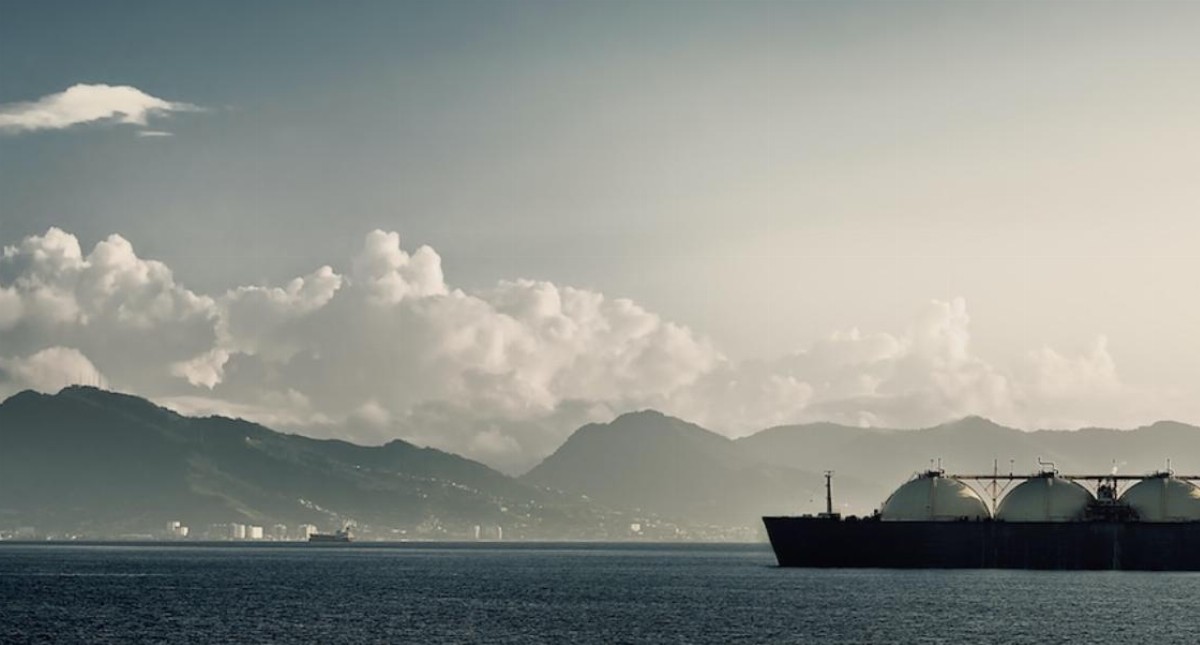
Running short of its own gas and with renewable energy sources not large enough to help avoid an energy crisis, the NZ government has bitten the bullet and announced it will contract to build a new LNG facility.
Listen to the HotCopper podcast for in-depth discussions and insights on all the biggest headlines from throughout the week. On Spotify, Apple, and more.
Australia and Papua New Guinea are likely to be at the forefront of discussions to supply gas to a proposed LNG terminal in the port of Taranaki.
New Zealand’s energy minister, Simon Watts, said the construction of an Liquefied Natural Gas terminal is a critical step to strengthen New Zealand’s energy security and support economic growth. “New Zealand is experiencing a renewable electricity boom, but a rapidly declining gas supply has left our electricity sector exposed during dry years, when our hydro lakes run low,” he explained.
Mr Watts added: “The result is greater reliance on coal and diesel, and ultimately higher electricity prices, putting more financial pressure on families and businesses.”
Industry body Gas Industry Co said this LNG decision is essential to the reliability, flexibility and security of the nation’s energy supply, and aligns with the findings of its soon-to-be-released CY26 Gas Supply and Demand study.
“LNG is mission critical for energy security and reliability and supports the renewable energy future we want for NZ,” Gas Industry CEO David Prentice said. “It will help provide businesses with the stability, certainty, and affordability they need to… grow, creating jobs to support local communities.”
The gas chief also suggested the plan will provide the flexible backup necessary to support renewable electricity generation, particularly in any possible dry years when NZ hydro storage is low and during peak demand.
“As indigenous gas supplies decline, LNG can fill this role, ensuring security of electricity supply with fewer emissions than other forms of thermal backup.”
Independent analysis from Sense Partners found higher energy prices have had a significant impact on the NZ economy, leading to a NZ$5.2 billion GDP loss in CY25.
“For Kiwis, that means fewer jobs, lower wages, and a slower recovery as New Zealand emerges from a challenging period of high inflation and rates,” Mr Watts said. “Establishing an LNG import facility is an important next step.”
The government has shortlisted leading proposals and is progressing to commercial contracting, with the aim of signing a contract by mid-CY26. The facility could be operational as soon as CY27 or early CY28.
“Located in the Taranaki, the project will create jobs during construction and provide long-term skilled roles once operational, reinforcing the region’s role at the heart of New Zealand’s energy system,” Mr Watts said.
Interestingly, a recent report suggested an LNG terminal was not a great option to fix the nation’s energy crisis. The report, from Boston Consulting Group, was commissioned by the nation’s leading gentailers Contact, Genesis, Mercury, and Meridian. It found that to strengthen the domestic gas market, the government and energy sector can look to actions across supply, demand and storage.
The report also suggested it’s preferable for NZ to have a well-functioning domestic gas market, rather than one that relies heavily on imported LNG.
“Despite this, LNG may still be a prudent backstop if gas supply continues to decline rapidly,” Mr Watts explained. “While LNG provides a reliable supply of gas, it is more expensive than a combination of new gas storage and liquid fuels for electricity and may take longer to develop.
“New infrastructure would cost up to NZ$800M, excluding fuel costs, while infrastructure for gas storage and condensate or diesel would be [up to] NZ$300M.”
On the other side, importing LNG into New Zealand provides a new market opportunity for leading Oz gas producers such as Woodside Energy (ASX:WDS) and Santos (ASX:STO) and may provide a boost for the Papua LNG project, which has been stalled in its final investment decision (FID) this year.
This morning, natgas was selling at around $3.22/gigajoule.
Join the discussion. See what’s trending right now on Australia’s largest stock forum and be part of the conversations that move the markets.
The material provided in this article is for information only and should not be treated as investment advice. Viewers are encouraged to conduct their own research and consult with a certified financial advisor before making any investment decisions. For full disclaimer information, please click here.