

Join our daily newsletter At The Bell to receive exclusive market insights
- Australia’s resources and energy export earnings set to remain high
- LNG export earnings up to $70 billion in 2026–27
- Gold export earnings estimated to decline by six per cent
- Iron ore continues to account for over 25% of all resource and energy commodities
The latest data from the Australian government forecasts resources and energy export earnings to rise to $422 billion in 2026–27, up from $403 billion in 2025–26.

The September 2026 Resources and Energy Quarterly (REQ) predicts total earnings will fall to $391 billion in 2027–28 and continues to decline, reaching $379 billion in 2030–31 as commodity prices drift down.
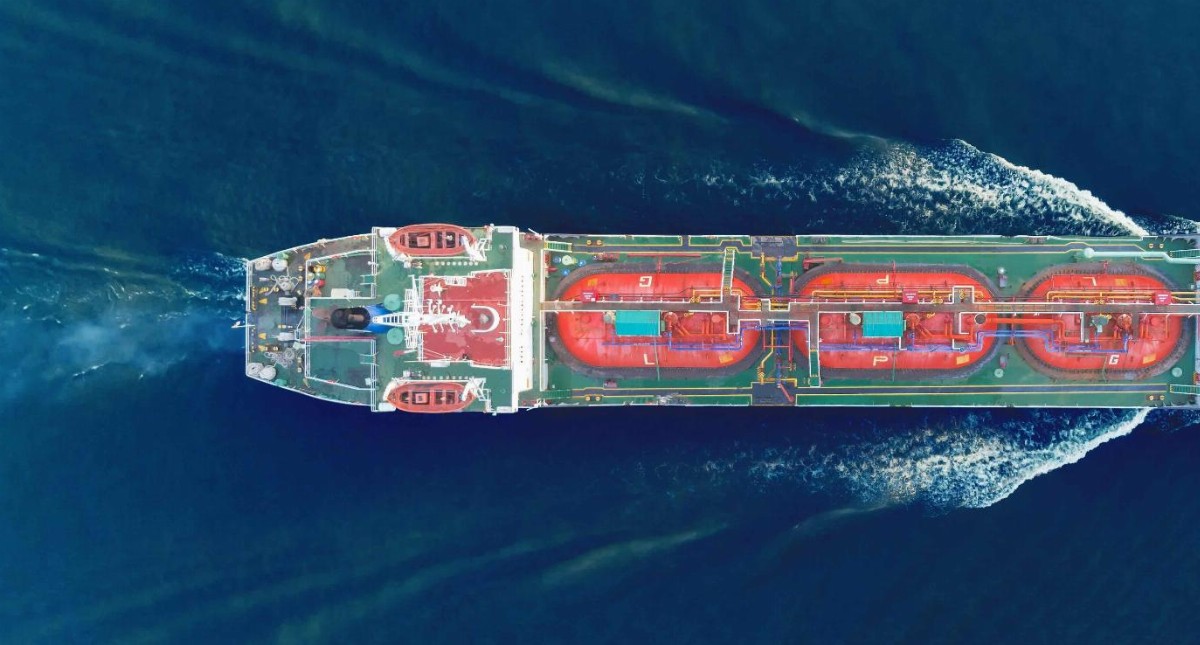
The nation’s energy sector is one of the big movers with higher prices forecast to push Australia’s LNG export earnings up from $57 billion in 2025–26 to $70 billion in 2026–27.
However, the government noted that as Middle East supply and trade conditions normalise, export values will decline to $42 billion by 2030–31.
Copper and critical minerals are also expected to be big winners.
The REQ says rising prices and higher export volumes are expected to see copper exports lift from $14 billion in 2025–26 to $19 billion in 2030–31.
Demand for copper is being driven by increasing electrification, expansion of electricity grids and AI-related data centre developments.
Critical minerals export earnings are forecast to rise from around $17 billion in 2025–26 to $26 billion in 2026–27. These are expected to stabilise at $22 billion by 2030–31. Lithium exports will account for more than half of total critical minerals earnings, with manganese, mineral sands and rare earths contributing most of the remaining revenue.
Iron ore export earnings will continue to account for more than 25% of all resource and energy commodities over the outlook period. However, falling prices are expected to see export earnings decline from $123 billion in 2025–26 to $107 billion in 2026–27 and $79 billion in 2030–31.
Lower prices are also tipped to lead to gold export earnings declining by six per cent from almost $72 billion in 2025-26 to $68 billion in 2026-27, before falling to $61 billion in 2030–31.
Federal Minister for Resources and Northern Australia, Madeleine King, said the nation’s diverse range of resource exports continued to provide for all Australians.
“In tough times for global trade, our resources industry is standing strong and continuing to reliably supply our world class products to the world”.
“That means strong resource export earnings that deliver well-paid jobs for workers and support for the Albanese government’s investments in more bulk-billing doctors, fee-free TAFE and support for schools, helping everyday Australians doing it tough.”
The REQ found that trade and production disruptions are lifting the price of energy commodities and thus input prices in global supply chains. Growing investment in AI infrastructure and the energy transition is also boosting demand for Australian resources. Export earnings are forecast to peak in the near term before easing later in the five-year outlook period as energy and bulk commodity prices soften.
Another winner is alumina, with export earnings forecast to rise from $7.2 billion in 2025-26 to $7.8 billion in 2030-31. However, aluminium export earnings are forecast to ease from $6.8 billion to around $6 billion over the same period.
Thermal coal export earnings are forecast to fall from $31 billion in 2025–26 to $26 billion in 2027–28 and to $24 billion in 2030–31.
Metallurgical coal export earnings are forecast to fall from $39 billion in 2025–26 to $38 billion in 2027–28 and $36 billion in 2030–31.
Oil export earnings are projected to drop slightly from $11 billion in 2025–26 to $10.4 billion in 2026–27, as falling volumes are largely offset by higher prices, before falling to $5.6 billion in 2030–31.
The material provided in this article is for information only and should not be treated as investment advice. Viewers are encouraged to conduct their own research and consult with a certified financial advisor before making any investment decisions. For full disclaimer information, please click here.