

Join our daily newsletter At The Bell to receive exclusive market insights
In 2022, there was a glimmer of hope for Australian workers as end-of-year wage growth hit its highest level in a decade.
However, the increase in wages was not enough to keep up with inflation as the gap between workers’ earnings and the cost of living reaches new heights.
According to the Australian Bureau of Statistics (ABS), the wage price index (WPI) reached 3.3 per cent in 2022 — a decade-long high, but still short of economists’ predictions of 3.5 per cent.
Wages rose 0.8 per cent for the December quarter, marking the highest December quarter increase in a decade. However, this was still lower than the 1.1 per cent increase over the September quarter.
ABS Head of Price Statistics Michelle Marquardt said wage growth during the December quarter carried the torch from increases in the June and September quarters, resulting in the highest annual growth in hourly wages for Australian workers since 2012.
Yet, though wages have risen for Australian workers in recent years, the growth has been offset by heavy increases in the consumer price index (CPI), which increased by 7.8 per cent over the year to December 2022.
Private sector gets slight edge over public sector
For the December quarter, private sector wage growth outpaced that of the public sector, although only 21 per cent of private sector workers received a pay rise.
The private sector includes businesses that are not controlled by the state, as opposed to the public sector, which includes government-run schools, hospitals, emergency services, and others.
The highest average pay rise in the quarter came from the accommodation and food services sector, with workers receiving an average increase of 1.7 per cent in wages.
Conversely, administrative and support services workers saw only a 0.3 per cent rise.
For the whole year, the wholesale trade industry recorded the highest annual wage growth, at 4.2 per cent, while education and training experienced the lowest.
Of course, despite the wage growth, workers are still faced with a challenging economic landscape, battling continued inflation and a rising cost of living.
Government says wage growth supports rising inflationary pressures
Australia’s Minister for Employment, Tony Burke, welcomed the decade-high wage growth figures and emphasised that wage growth helped support the rising costs of living.
“Wages growth isn’t the problem when it comes to inflation, it’s part of the solution to cost-of-living pressures,” he said.
“We don’t have an inflation challenge in our economy because wages are too high, but because of a war in Ukraine, pressure on global supply chains and other challenges in our own economy ignored for too long.
“We seek wages growth which is strong and sustainable and an economy which is more productive, competitive and inclusive.”
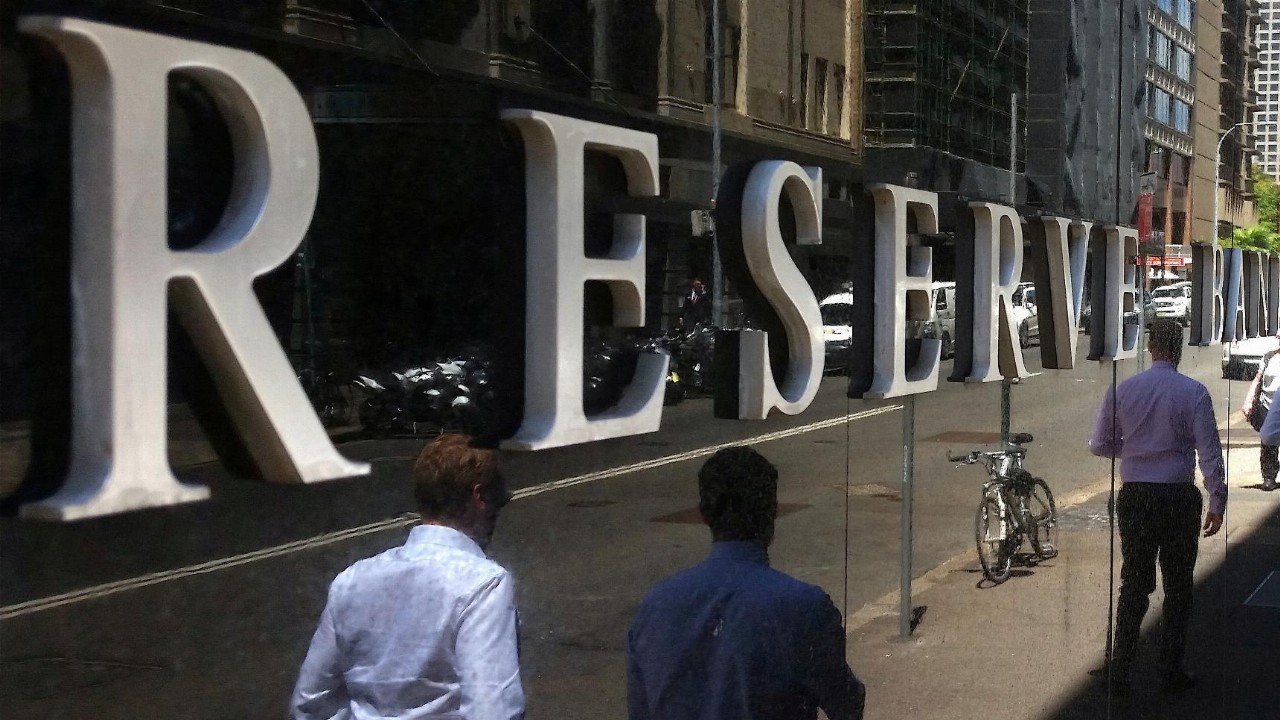
According to the Reserve Bank of Australia (RBA), it expects wages growth to hit 4.2 per cent year-on-year in 2023, before coming back down to 3.8 per cent by the middle of 2025, with core inflation only expected to reach 2.9 per cent year-on-year growth by the middle of 2025.
The Minister’s comments and the RBA’s projections highlight the ongoing challenge of balancing wage growth and inflation as Australia navigates its complex economic landscape, like other nations still recovering from COVID-riddled woes.