
Join our daily newsletter At The Bell to receive exclusive market insights
- Australia’s iron ore exports are expected to hit a record $136 billion this financial year as the global steelmaking recovers from a COVID-induced downturn
- Iron ore shipments are forecast to grow from 900 million tonnes in the 2020–2021 year to 1.1 billion tonnes by 2025–2026
- Gains from the export of energy materials like copper, lithium and nickel are also expected to offset lower contributions from thermal coal
- The report concluded that LNG values are also expected to slide from $48 billion to $33 billion, while gold and copper exports will climb
Australia’s iron ore exports are expected to hit a record $136 billion this financial year as global steelmaking recovers from a COVID-induced downturn.
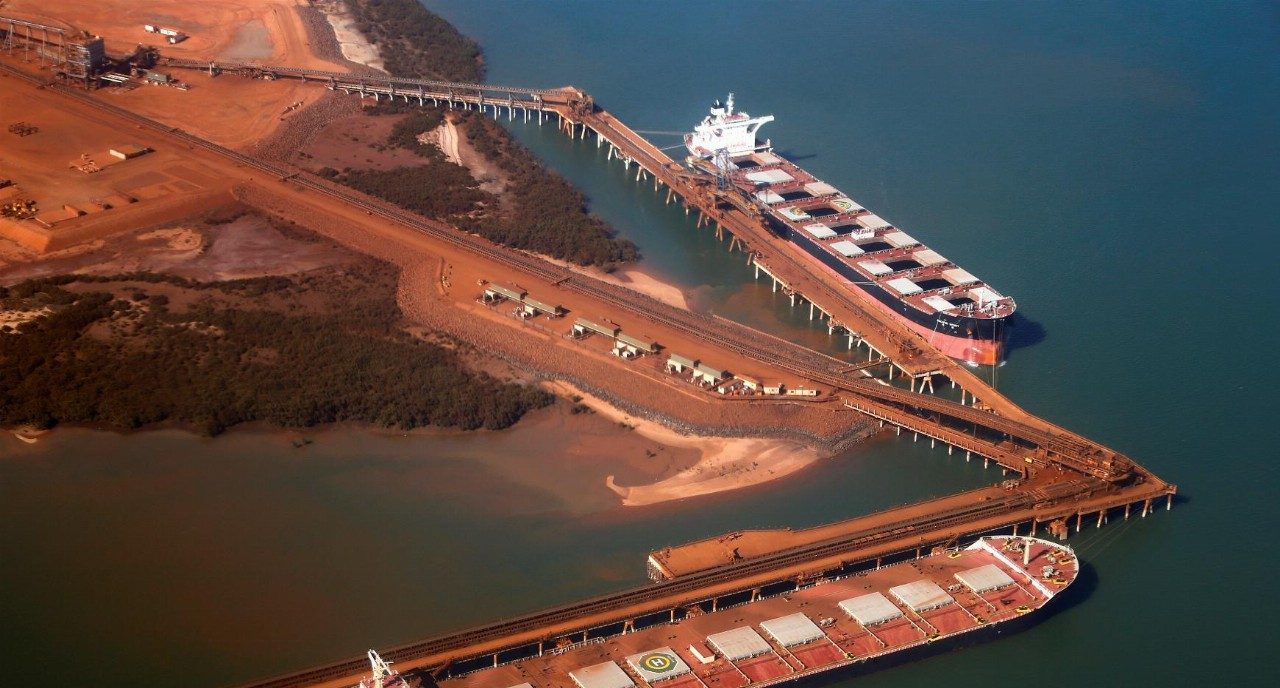
With miners like BHP (BHP), Rio Tinto (RIO) and Fortescue Metals (FMG) digging out more iron ore from Western Australia’s Pilbara region, the country’s most valuable export is anticipated to generate more than $100 billion each year for the next half-decade.
Iron ore shipments are forecast to grow from 900 million tonnes in the 2020–2021 year to 1.1 billion tonnes by 2025–2026, even as supplies from Brazil begin to recover.
Meanwhile, China’s push into Guinea is in motion. Rio Tinto is now reviewing infrastructure costs, including port connections and more than 600 kilometres of railway, but full production is not anticipated to begin until 2027 or 2028.
The southern blocks of the Simandou deposit are held under a joint venture between Rio Tinto, Chinalco and the Guinean government. The northern area, on the other hand, is controlled by the China-backed SMB-Winning Consortium, which is closer to development having signed a US$14 billion (roughly A$18.33 billion) infrastructure contract.
At full production, Guinea is estimated to supply around 200 million tonnes of iron ore per year, or between 15 and 20 per cent of Western Australia’s current production.
According to a report from the Department of Industry, gains from the export of energy materials like copper, lithium and nickel are also expected to offset lower contributions from thermal coal.
Australia has largely been able to find new markets for its metallurgical coal after China put informal restrictions on imports last year that have spilled over into 2021, cutting export values from $35 billion to just $25 billion.
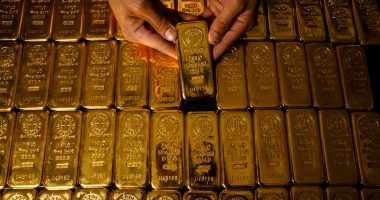
The report concluded that LNG values are also expected to slide from $48 billion to $33 billion, while gold and copper exports are anticipated to jump from $25 billion to $29 billion and from $10 billion to $12 billion, respectively.