
Join our daily newsletter At The Bell to receive exclusive market insights
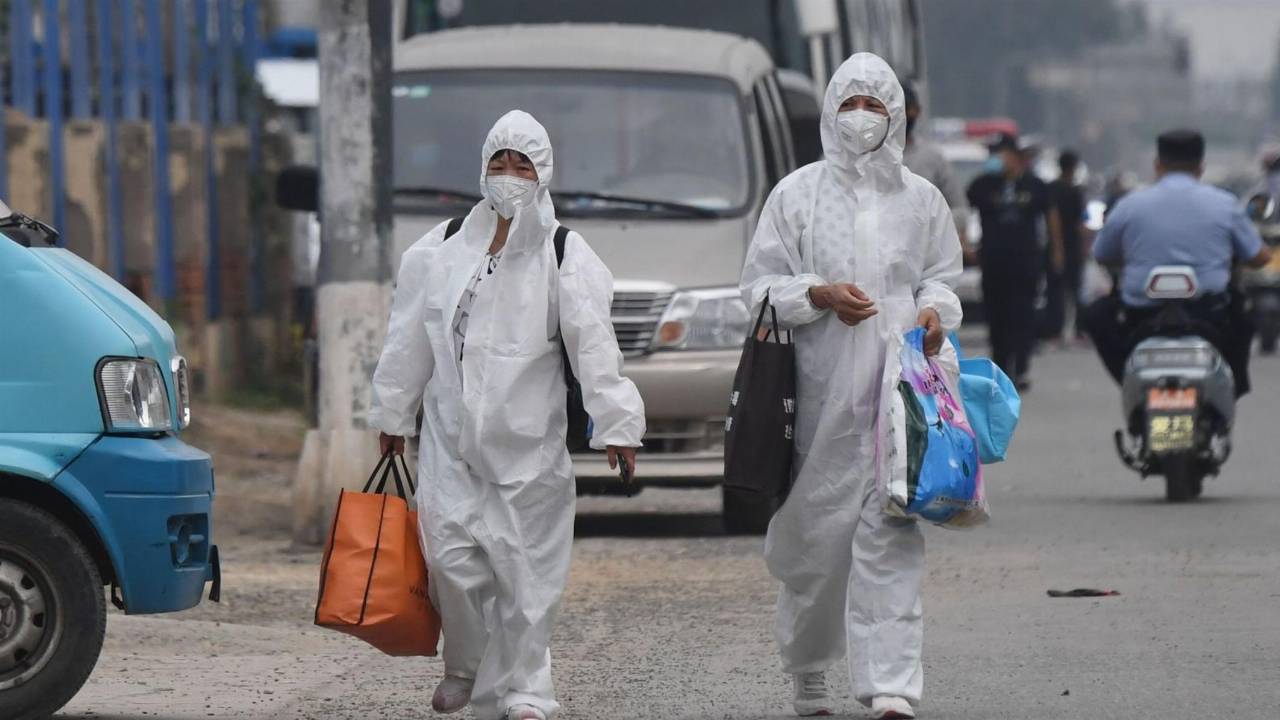
A large swathe of western Beijing is under a new lockdown regime as an outbreak of COVID-19 cases sends a shiver up the spine of the nation’s capital.
A total 137 new cases have been reported since June 11 — a sharp increase given the city of 22 million people had fewer than 500 total cases until this week and had gone almost eight weeks with no locally-acquired cases.
The outbreak is linked to the Xinfadi food market, which is believed to have had over 200,000 visitors in the fortnight before it was locked down.
City authorities have immediately ramped up pandemic protocols to limit the potential spread of the virus.
Lockdown… again
The areas surrounding the Xinfadi market have gone into immediate lockdown, with strict movement controls and an expansive testing regime enacted to help curb and track the spread of the disease.
Authorities report a testing aim of up to 90,000 people per day, while complex contact tracing seeks to track down anyone who’s come into contact with the market.
Many students due to return to study on Monday have been told to stay home, while entire neighbourhoods near the market have been sealed shut, with transport services suspended and people urged to isolate and distance where possible.
The perfect storm
Xinfadi is enormous, covering around 112 hectares — almost 20 times the size of the MCG.
It’s still unknown how the virus entered the market — whether through human interaction or contaminated food — but tests located around 40 contaminated sites within the market, including a chopping board used for salmon.
It’s feared the virus could thrive in conditions there, given the cold temperatures needed for food storage and the masses of people passing through.
The market also wholesales to foodservice providers across Beijing, making tracing much harder. As many as seven of the 27 new cases announced on Tuesday worked in restaurants linked to Xinfadi.
While 137 new cases may pale in comparison to infection rates in emerging global hotspots like India and the Americas, a new lockdown in China’s political and economic nerve centre would be devastating for the country’s recovery, as well as its morale.
What’s next?
It’s still unknown how the virus gained a foothold in Beijing, but preliminary tests seem to indicate the particular strain being spread is more closely linked to European and American outbreaks than the original Wuhan strain.
Testing is ongoing to discover whether the source came from a traveller or imported foods. Authorities are also hard on the heels of anyone who’s been within sniffling distance of people linked to Xinfadi.
China has been dealing with outbreak hotspots longer than anyone and has a compliant populace better suited to lockdown measures than freedom-loving Americans.
The near-instant and draconian measures enacted in Beijing within days of the first case being detected show China’s determination to quickly stamp out any spotfires before they get a chance to gather into a second wave.
There are hints, though, that the Beijing strain is more contagious than the original Wuhan bug, which could be a brand-new curveball as successful past measures may now prove less effective.
The fact three local officials were fired on June 15 for failing to act quickly enough — just four days after the first case was diagnosed — shows China’s is intent on staying ahead of the curve.
But whether or not the new lockdown and vast testing will be enough to counteract this new threat, only time will tell.