

Join our daily newsletter At The Bell to receive exclusive market insights
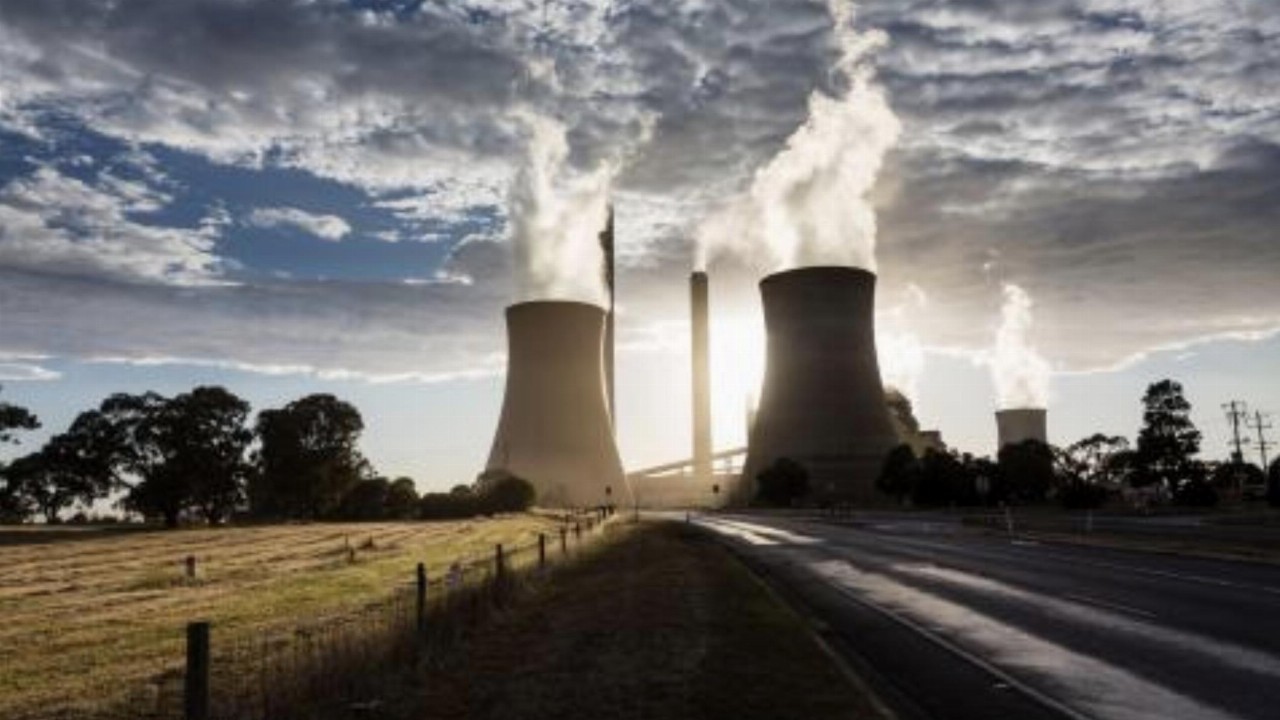
The Institute for Energy Economics and Financial Analysis (IEEFA) has taken a swipe at the international “optimism bias” around using carbon capture and storage (CCS) techniques to decrease levels of carbon in the environment.
A new report from the IEEFA said though there may be a global buzz about CCS capabilities, fossil-fuel-fired power plants using CCS would have unsustainable implications on already-inflated electricity prices.
The report said that were CCS facilities to be funded through current electricity plants, Australians could see the average wholesale energy price for Australia’s National Electricity Market (NEM) regions increase by between 95 and 175 per cent, from $75-$95 per megawatt-hour (MWh) to $100-$130 per MWh.
The cost would fall onto businesses and individual consumers who are already struggling with high energy rates while the government scrambles to find the best net-zero investment in energy solutions.
IEEFA raised concerns that carbon capture technologies were not yet ready to warrant them investable.
“The economic case for CCS in the power sector is weak, considering input cost and funding uncertainties, continued failures of the technology, and the constantly improving alternatives,” IEEFA Research and Stakeholder Engagement Leader Christina Ng said.
“Yet, policymakers are recognising it as a sustainable investment or providing generous financial incentives too easily to CCS producers and developers,” Ms Ng said.
Companies are banking on shareholder and government investments to see CCS projects through, but community costs may be higher than anticipated.
“The cost of CCS as a decarbonization option is more than just the cost of the carbon capture technology,” IEEFA report co-author Michael Salt said.
“The transport, storage, monitoring and verification, plus any additional compliance and liability costs will need to be taken into account for CCS to be considered a climate solution.
“Consumers, businesses, industry and retailers alike would logically seek out the most affordable electricity options that meet their needs, a more immediate priority for many than environmental and social factors,” Mr Salt said.
While CCS techniques have been proven to work, IEEFA stated there was limited practical experience in the total cost of these projects overall.
Nevertheless, the report considers how prices could be recovered or offset by government investments.
Embedding the cost into increased wholesale electricity prices or having the government subsidise the cost of CCS could be a consideration.
At present, there have been no new power plants built with CCS facilities installed, meaning existing facilities would need to be modified in the future.
-1200x645-380x200.jpg)