

Join our daily newsletter At The Bell to receive exclusive market insights
Commonwealth Bank CEO Matt Comyn made headlines this week after urging Canberra to slash migration to around 180,000 a year. That single comment dominated the news cycle, sparked political backlash, and drowned out everything else he said.
Listen to the HotCopper podcast for in-depth discussions and insights on all the biggest headlines from throughout the week. On Spotify, Apple, and more.
Yet, the real warning wasn’t about immigration; it was the underlying message that almost no one paid attention to, as he quietly signalled that Australia’s housing and credit system is under far more strain than most people realise.
On the surface, he framed the suggestion to ease pressure on housing and infrastructure, which sounded reasonable and even responsible. Yet, if you look deeper, his intent becomes unmistakable.
This wasn’t a plea for affordability or national harmony; it was the CEO of Australia’s biggest mortgage lender hinting that the entire system is starting to crack.
CBA sees what most people don’t: runaway home-loan demand, house prices accelerating at full speed, and a credit growth rate so strong that even Comyn said it is now “higher than policymakers might be comfortable with.”
When the man whose profits depend on mortgages starts waving the cautionary flag, it’s as close as you’ll ever get to an economic confession.
We all know that banks love higher house prices as they inflate loan books and keep earnings flowing. But on the flip side, they also fear them because, as prices rise, households become more stretched, which makes the mortgage market more fragile. As borrowers move too close to the edge, a single economic wobble can turn a healthy loan book into a dangerous one.
Competition is tightening the noose even further. Smaller lenders and non-bank financiers are aggressively loosening standards to win market share. The big banks know this and feel the pressure, but they don’t want to be dragged into a race to the bottom.
Comyn’s migration comments weren’t about compassion; they were about control. Control of housing demand, credit growth, and a system drifting beyond the banks’ comfort zone. If prices keep exploding, the major banks will face political heat on one side and competitive pressure on the other, while risk quietly builds beneath them.
Homebuyers shouldn’t expect affordability to appear magically. Migration may become more manageable, but demand remains sticky, housing supply is broken, and no government wants to be remembered for tanking property values. Comyn’s comments point to one conclusion: prices are unlikely to fall in any meaningful way.
That said, buyers still need to stay grounded. A market running this hot can turn fragile quickly, so stepping in without a disaster-proof plan is risky. Even strong housing cycles can crack under the weight of stretched borrowers, higher rates, or a sudden economic shock. Treat every purchase with a clear buffer, a realistic budget, and a plan for worst-case scenarios rather than assuming the market will always rise.
Investors should take note as well. Markets such as Melbourne, currently the slowest of the major cities, could turn into some of the best buying grounds. When the heat shifts and sentiment cools, lagging cities often become the most attractive opportunities.
This moment is also a reminder that financial cycles never move in straight lines. Canberra won’t save you, nor will the banks, and waiting for perfect conditions is a losing strategy. The smart move is to understand the macro forces shaping money and position yourself before the next turn, not after it happens.
For now, good luck and good trading.
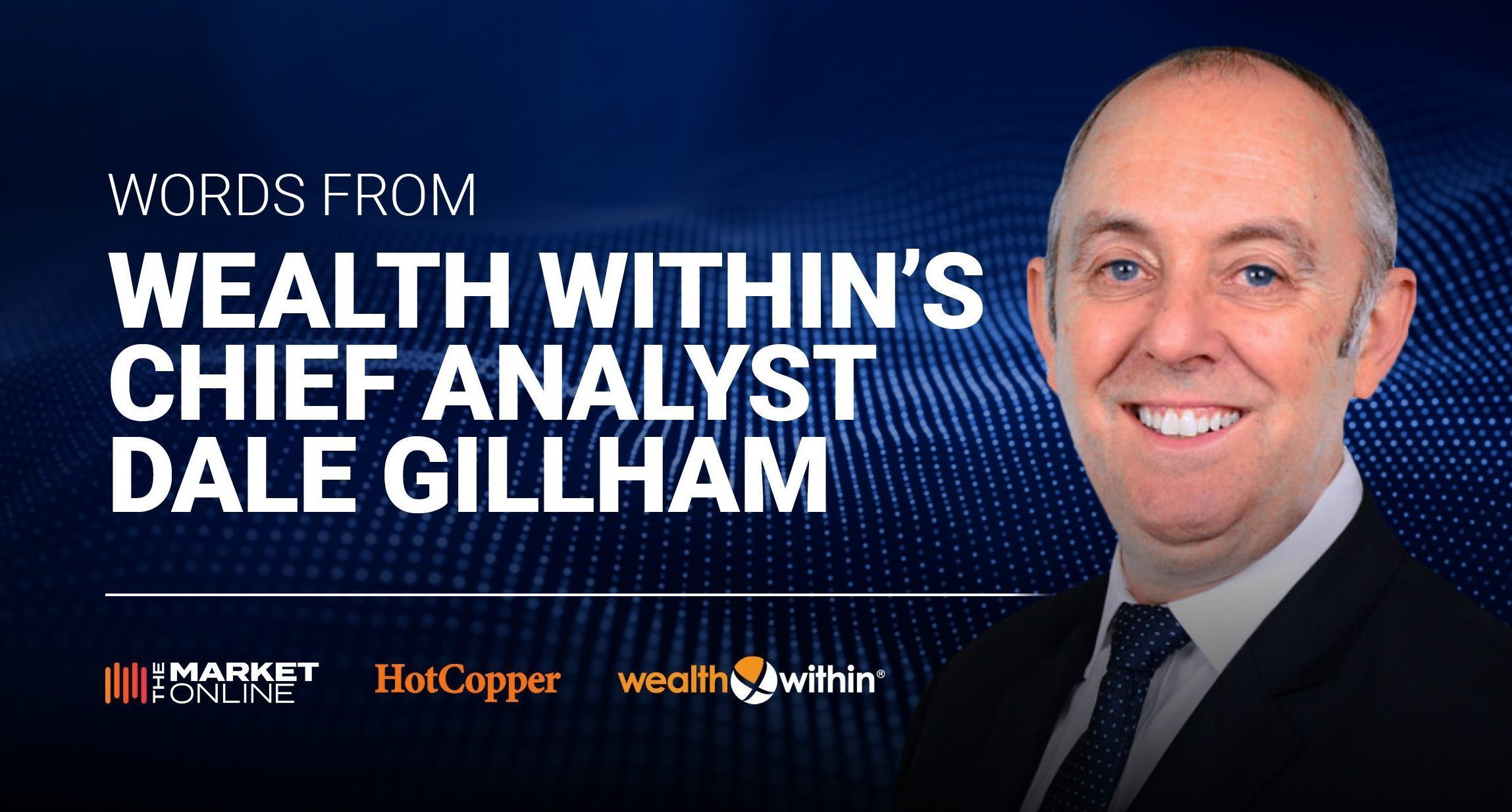
Dale Gillham is Chief Analyst at Wealth Within and an international bestselling author of How to Beat the Managed Funds by 20%. He is also the author of Accelerate Your Wealth—It’s Your Money, Your Choice, which is available in bookstores and online at www.wealthwithin.com.au.
Join the discussion: See what’s trending right now on Australia’s largest stock forum and be part of the conversations that move the markets.
Disclaimer: While Wealth Within holds an Australian Financial Services License (AFSL:226347), the information featured in this program is general in nature and therefore should not be relied upon. Before making any investment decisions, you should consult a licensed professional who can advise whether your investment decisions are appropriate for you.
The material provided in this article is for information only and should not be treated as investment advice. Viewers are encouraged to conduct their own research and consult with a certified financial advisor before making any investment decisions. For full disclaimer information, please click here.