
Join our daily newsletter At The Bell to receive exclusive market insights
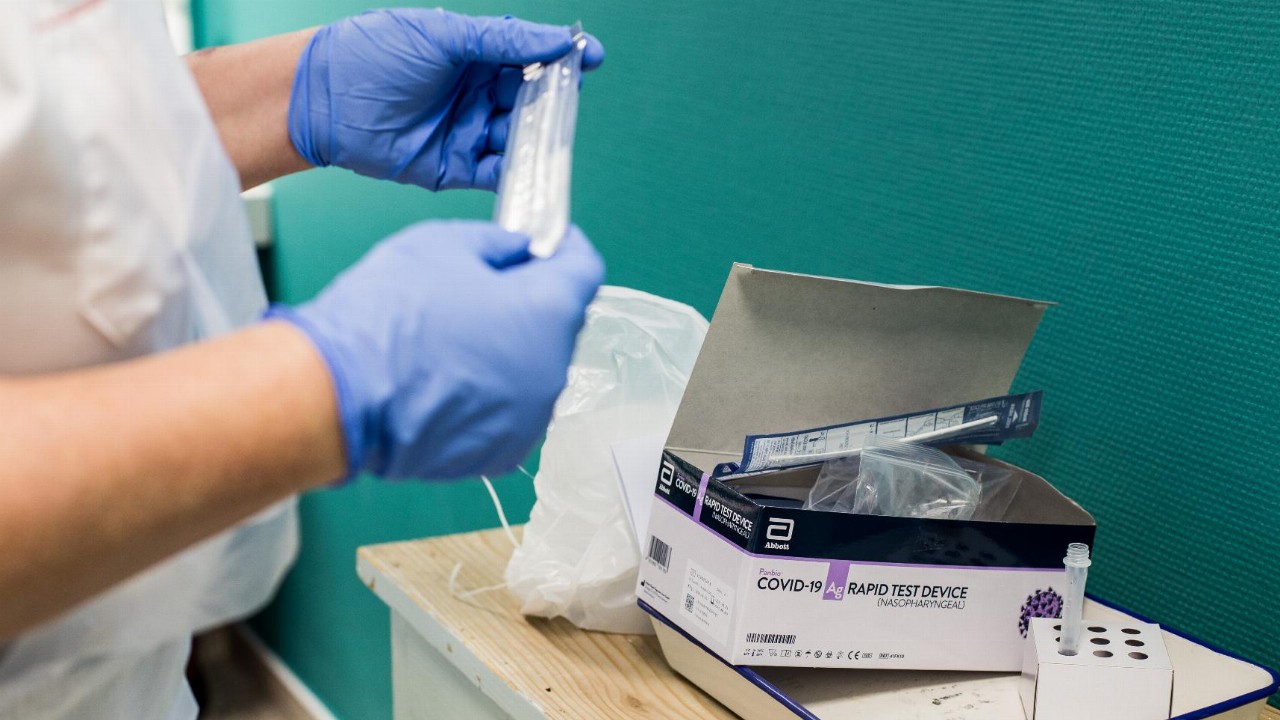
- The Australian Competition & Consumer Commission (ACCC) continues to receive a high number of consumer reports about pricing and selling of rapid antigen tests
- The consumer watchdog has been receiving around 121 reports a day, with pharmacies the most complained-about sector, followed by petrol stations and convenience stores
- More than 50 test suppliers, major retailers and pharmacy chains have now been asked by the ACCC to explain their costs, current pricing, and stock availability.
- Over two-thirds of the reports were about traders in New South Wales
The Australian Competition & Consumer Commission (ACCC) has continued to be bombarded with reports from consumers in relation to the pricing and selling of rapid antigen tests (RATs).
Last month, the ACCC said it had “significant concerns” over the pricing of the RATs.
The consumer watchdog today revealed it has been receiving about 121 reports a day, with pharmacies, petrol stations and convenience stores the main subjects of consumer complaints.
More than 50 test suppliers, major retailers and pharmacy chains have now been asked by the ACCC to explain their costs, current pricing and stock availability.
The ACCC has also made further referrals to the Australian Federal Police and the Therapeutic Goods Administration following tip-offs by consumers about alleged illegal re-selling of RATs and alleged package splitting and sale of tests not approved for home use in Australia.
“Community concerns about sales practices for rapid antigen tests remain very high, for good reason,” ACCC Chairman Rod Sims said.
“We thank the consumers who have taken the time to pass on to us crucial information about what is happening in this market. These reports, and the public scrutiny, are helping to keep prices at lower levels than otherwise.
“Businesses now know we will be in touch very quickly if they choose to impose unjustifiably high mark-ups on rapid antigen tests, or make misleading statements to consumers.
“In view of the public interest in this issue, we will continue to name business chains whose stores are reported to have engaged in this conduct, and are working very closely with our fellow law enforcement agencies in this area, particularly in relation to individual stores.”
Analysis of reports show many consumers are still paying between $20 and $30 per test, with RATs costing an average of about $24 since January 12.
More than two-thirds of the reports were about traders in New South Wales.
While a significantly higher proportion of complaints than may be expected, it may also reflect the Omicron wave that was initially spreading in NSW more than other states.