
Join our daily newsletter At The Bell to receive exclusive market insights
- Major supermarkets in most Australian states will start selling COVID-19 rapid antigen tests by early next month
- With the exception of WA and SA, the rest of the country will have access to these tests for between $10 and $15, according to Coles and Woolworths, respectively
- TGA head says those who test positive have to present for a standard PRC test for a confirmation of the diagnosis
Major supermarkets in most Australian states will start selling COVID-19 rapid antigen tests by early next month.
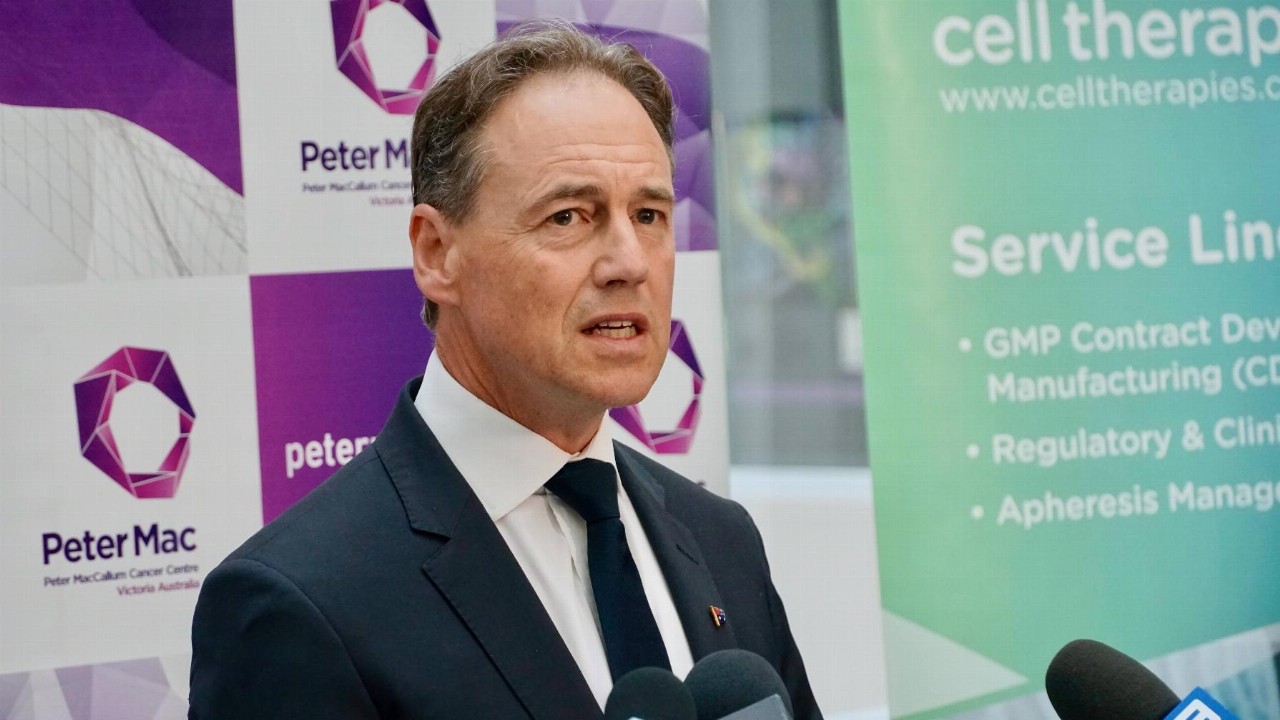
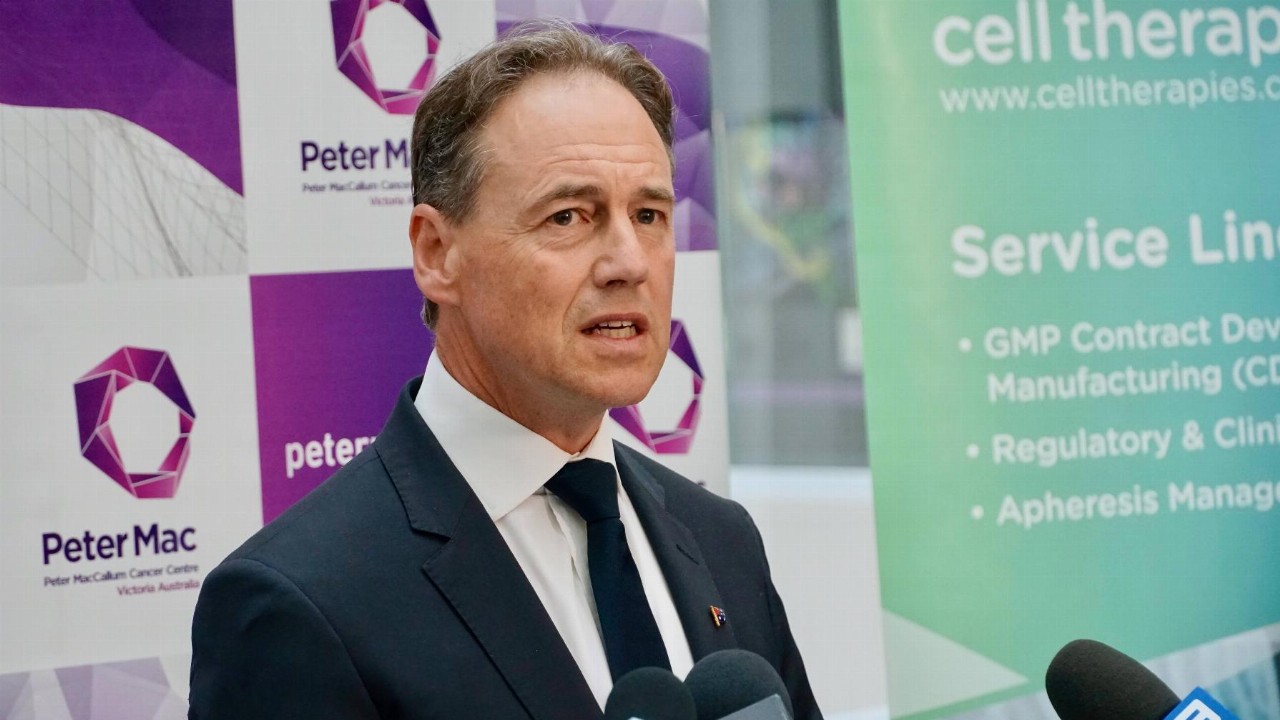
The test can give results in around 15 minutes and will be available to order from November 1, according to Health Minister Greg Hunt.
With the exception of Western Australia and South Australia, the rest of the country will have access to these tests for between $10 and $15, according to Coles and Woolworths.
“Rapid antigen testing is helping protect our distribution centre team members across Australia from COVID-19,” a Woolworths spokesperson said.
According to the Therapeutic Goods Administration (TGA), there are 33 rapid tests approved for health professionals to use.
TGA chief John Skerritt said the rapid tests will be available at petrol stations and from online stores to ensure easy access.
He added that those who test positive will need to present for a standard PRC test for a confirmation of the diagnosis.
Nine antigen tests have been approved for at home or private use, according to the TGA.
Although these tests are faster than PCR tests, which need lab work to determine the result, the rapid testing delivers more false negatives than any other test process.
False hopes
So far, Victoria and New South Wales have used rapid antigen testing during the peak of their infections to reduce the pressure on regional health systems and at-risk people.
Victoria used the testing at the Royal Melbourne Hospital outbreak and NSW used it during regional surges in Wilcannia and Dubbo.
Associate Professor David Anderson, head of the Diagnostic Development Laboratory at the Burnet Institute, said rapid testing might make people too complacent.
“Even if you do the test properly it will miss people and it can give a false sense of security,” he said.
“You feel sick, but you do a rapid antigen test but you don’t swab your nose properly and you think everything is fine until you go about your daily business and expose lots of other people.”