




Join our daily newsletter At The Bell to receive exclusive market insights
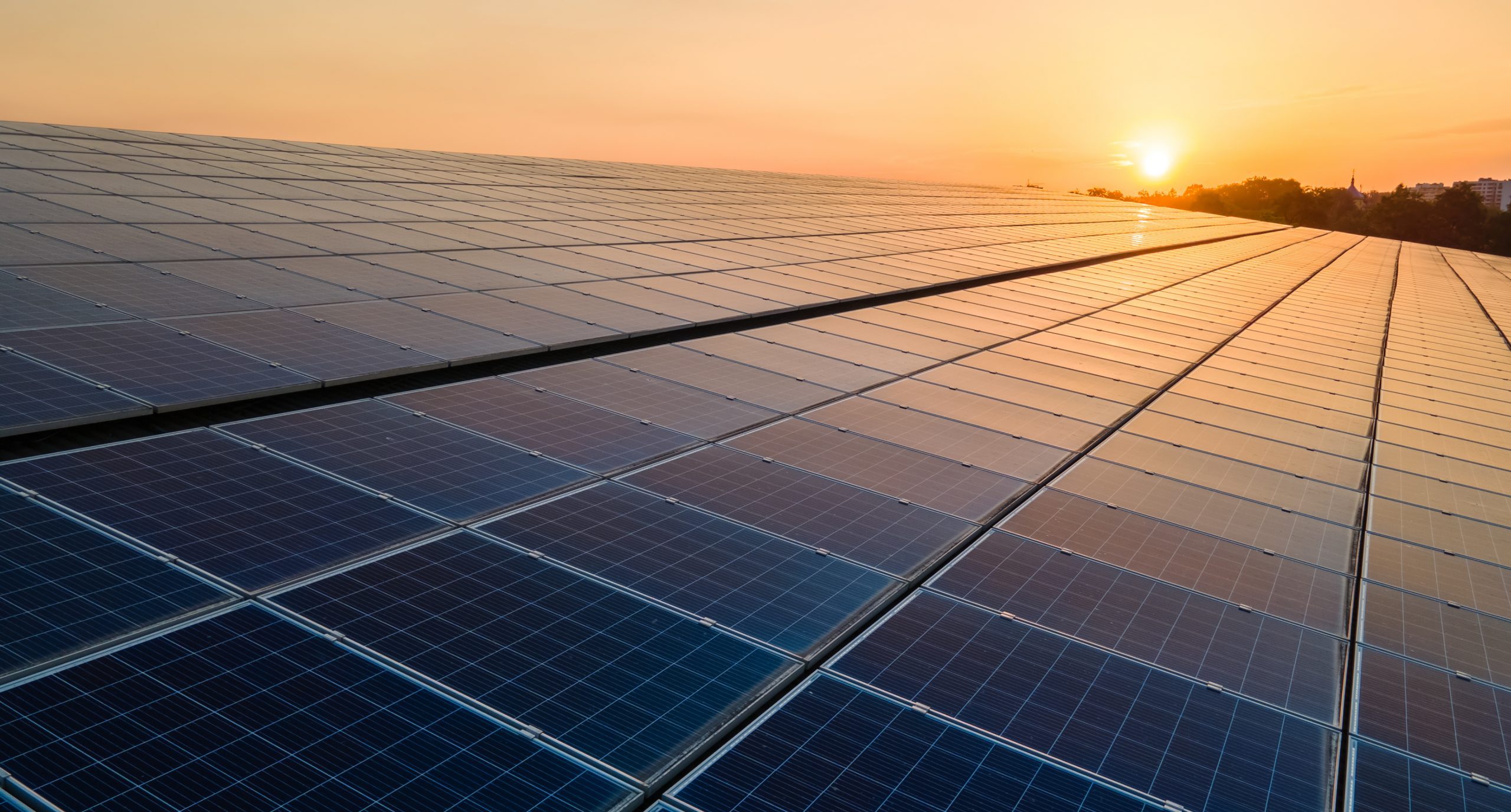
University of New South Wales postdoctoral research fellow Dr Moonyong Kim has said that while certain aspects of solar panel technology still needed to be ironed out, the industry still represented a boon to sustainable energy in Australia.
Speaking at the Critical Minerals & Energy Investment Conference in Perth this week, Dr Kim told investors in order to comprehensively achieve decarbonisation, the world would need 10 terrawatts (TW) of photovoltaic (PV) technology by 2030, or 2TW per year.
But the growing move towards this technology would involve a significant use of the minerals and metals currently being produced, including 20.5% of copper in production (4.5 million tonnes out of a total annual supply of 22 million tonnes), 59.5% of silicon (2,200,000t out of the 3,700,000t produced annually), and 42.9% of all silver produced annually (12,000t out of 28,000t).
Steel – used for mounting TV modules – would also be required in notable amounts, specifically 50 million tonnes, or 2.6% of the annually produced 1.9 billion tonnes.
The supply question with silver was one to watch in particular, according to Dr Kim.
“The PV industry used over 20% of silver produced in 2023,” he said.
“Overall since 2018, the proportion of annual silver production being diverted to this industry each year is around 35%.”
However, the technology’s contribution to decarbonisation, and the relatively low emissions produced by solar energy and low amounts of waste produced, boosted the case for the PV industry – which is currently dominated by monocrystalline Si (silicon) module technology – he added.
In addition to this, Dr Kim said he could envision a roadmap to achieving carbon-free PV production in the future, which would involve the decarbonisation of electricity (which is used to make the silicon, glass and aluminium components of modules), the use of green steel and decarbonised concrete in modules’ mounting frames, and through improvements in performance of modules themselves.
Dr Kim’s research into PV technology is being funded by the Federal government under the Australian Renewable Energy Agency (ARENA).
Join the discussion: See what’s trending right now on Australia’s largest stock forum and be part of the conversations that move the markets.
The material provided in this article is for information only and should not be treated as investment advice. Viewers are encouraged to conduct their own research and consult with a certified financial advisor before making any investment decisions. For full disclaimer information, please click here.


-1200x645-380x200.jpg)