
Join our daily newsletter At The Bell to receive exclusive market insights
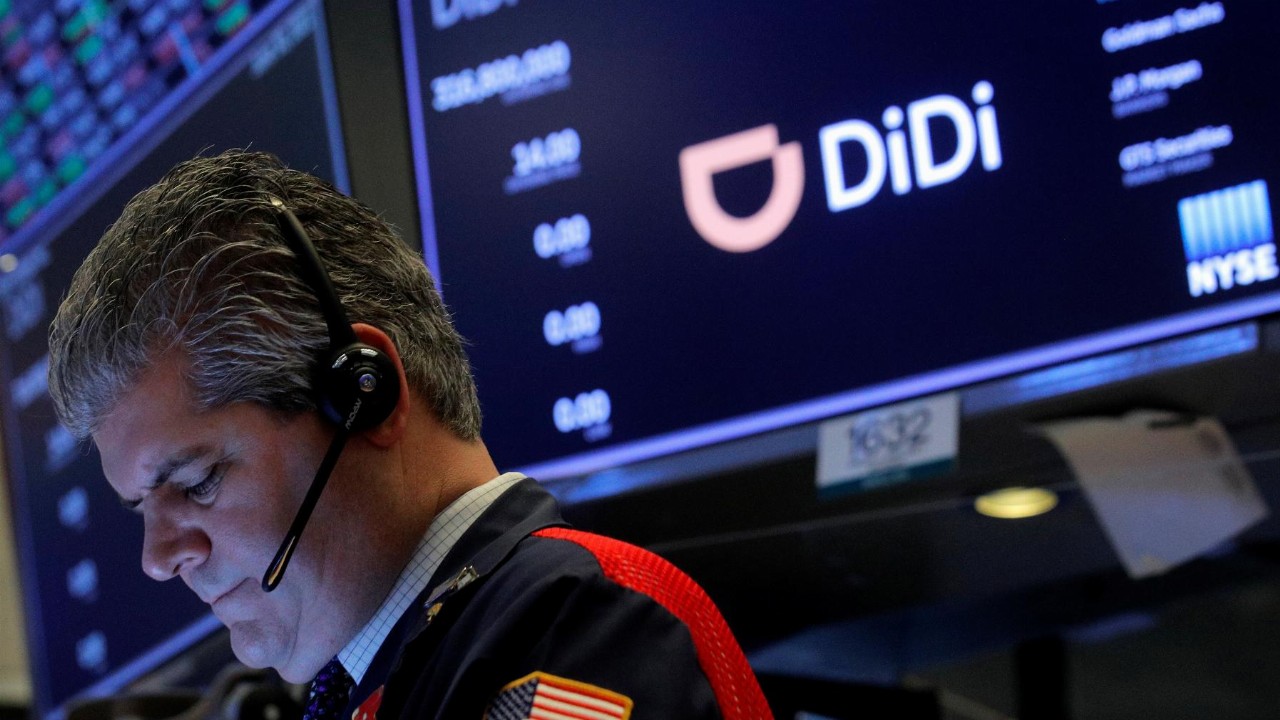
- DiDi Global ended its first day of US trading slightly higher than its IPO share price, valuing the ride-hailing giant at US$68.49 billion (A$91.49 billion)
- The company issued 316.8 million American depositary shares, raising US$4.4 billion (A$5.88 billion)
- It’s share price opened at US$16.65 (A$22.24) but slid in the early afternoon after reaching a US$18 (A$24.04) high
- DiDi is the latest Chinese firm to cash in on the lofty valuations of the US stock market
- According to data from Refinitiv, around 29 Chinese firms have raised US$7.6 billion (A$10.15 billion) in US IPOs during the first half of 2021
DiDi Global ended its first day of US trading slightly higher than its IPO share price, valuing the ride-hailing giant at US$68.49 billion (A$91.49 billion) in the biggest US listing by a Chinese company since 2014.
The NYSE debut vindicated DiDi’s decision to moderate its valuation after some investors raised concerns over the pace and profitability of its expansion into new services and foreign markets. According to Reuters, the company had previously been eyeing a valuation worth up to US$100 billion (A$133.58 billion).
It’s share price opened at US$16.65 (A$22.24), much higher than its IPO price of US$14 (A$18.70), but slid in the early afternoon after reaching a US$18 (A$24.04) high.
Didi had priced an upsized offering of 316.8 million American depositary shares at the upper end of its US$13 (A$17.37) to US$14 (A$18.70) range, raising US$4.4 billion (A$5.88 billion).
The company is the latest in a string of Chinese businesses looking to cash in on the lofty valuations of the US stock market. According to data from Refinitiv, around 29 Chinese firms have raised US$7.6 billion (A$10.15 billion) in US IPOs during the first half of 2021, despite continued tensions between the US and China.
DiDi, which is backed by the likes of SoftBank with a 20.2 per cent stake, Tencent with 6.4 per cent and Uber with 12 per cent, was founded in 2012 by now-CEO Cheng Wei as Didi Dache, a taxi-hailing app. It then merged with rival Kuaidi Dache to become Didi Kuaidi and was later renamed Didi Chuxing.
According to Forbes, Cheng, who was born in 1983 in a small town in the south-eastern province of Jiangxi and once worked as an assistant to the head of a foot massage firm, was worth US$1.2 billion (A$1.6 billion) prior to Didi’s market debut.
Based on Wednesday’s closing share price, Cheng’s stake is now worth US$4.45 billion (A$5.94 billion).
Likewise, Uber’s interest — which it acquired by selling its Chinese food delivery business to Didi in 2016 — is worth US$8 billion (A$10.69 billion), significantly more than the original US$6 billion (A$8.01 billion) valuation.
Similar to the majority of ride-hailing companies, DiDi had historically been unprofitable until it reported a profit of US$30 million (A$40.07 million) in the first quarter of this year.
During the height of the pandemic, however, the company reported a loss of US$1.6 billion (A$2.14 billion) and an eight per cent drop in revenue to US$21.63 billion (A$28.89 billion) as business dropped off.
DiDi holds a dominant position in China’s ride-hailing sector and operates in 4000 locations across 16 countries, with more than 490 million active users each year. Its services include private car-hailing, sharing bikes, delivery, freight and logistics, and financial services.