
Join our daily newsletter At The Bell to receive exclusive market insights
- In a world-first, Australia finalised its plans on Tuesday to make digital giants Facebook and Google pay the country’s media outlets for news content
- The laws will go to parliament this week and are designed to protect independent journalism
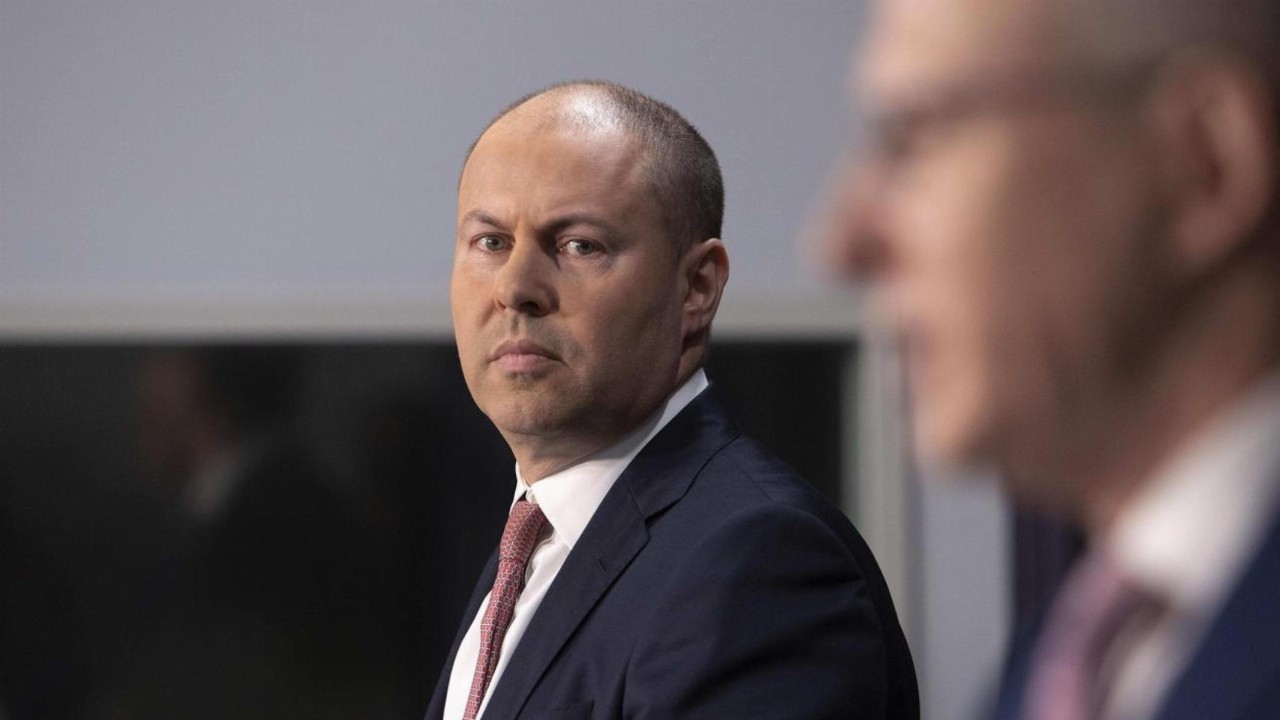
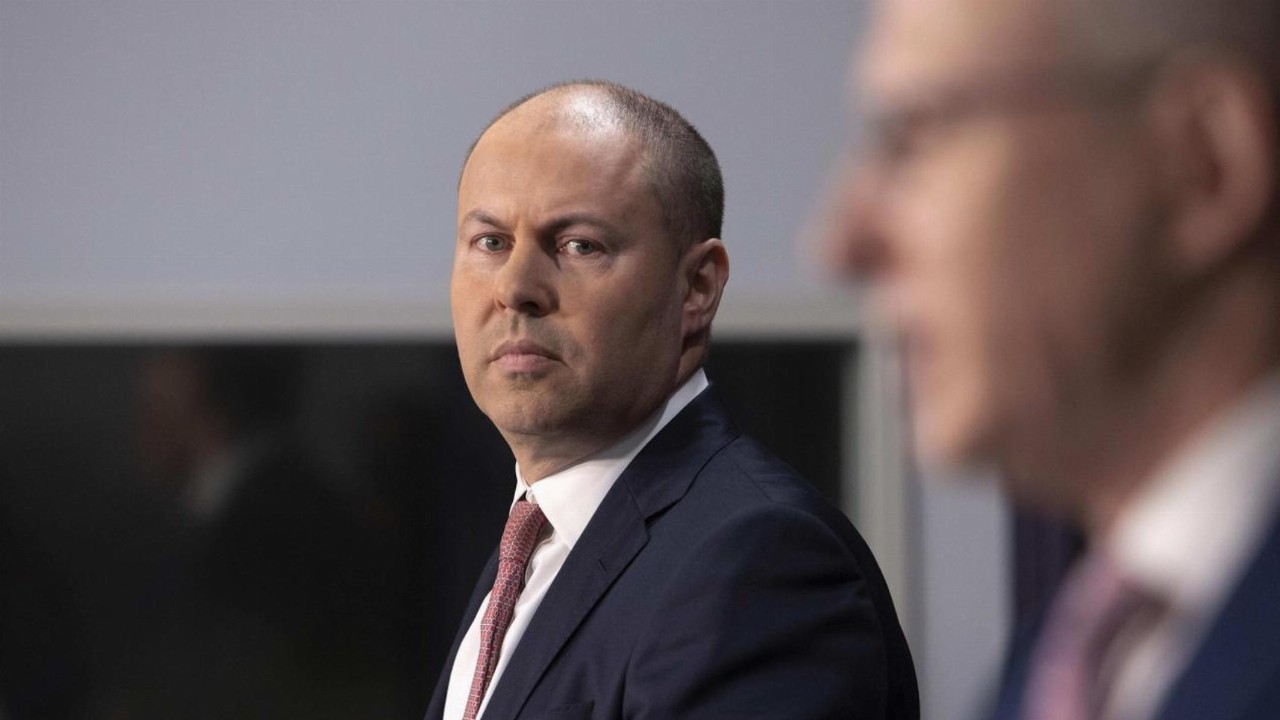
- Treasurer Josh Frydenberg said the firms must negotiate payments with local publishers and broadcasters for content that appears on their platforms
- If a deal cannot be struck, a government-appointed arbitrator will decide for them
- While the new laws are a major step towards a greater level of fairness, final versions would not affect news content distributed on Facebook’s Instagram subsidiary or Google’s Youtube
- The two companies will also be allowed to include the value of clicks their platforms direct to Australian news websites in the negotiations
In a world-first, Australia finalised its plans on Tuesday to make digital giants Facebook and Google pay the country’s media outlets for news content.
The laws are set to go to parliament this week, with Treasurer Josh Frydenberg saying the firms must negotiate payments with local publishers and broadcasters for content that appears on the big tech platforms. In the event a deal fails to be struck, a government-appointed arbitrator will decide for them.
“This is a huge reform, this is a world first, and the world is watching what happens here in Australia,” Frydenberg told reporters in Canberra.
“Our legislation will help ensure that the rules of the digital world mirror the rules of the physical world … and ultimately sustain our media landscape,” he added.
The move comes as part of a growing effort to protect independent journalism, and has been firmly opposed by the likes of Facebook and Google.
It represents the strongest check of their market power globally, and follows three years of inquiry and consultation, culminating in a public row in August when the U.S. companies warned the proposed laws may stop them offering their services in Australia.
Will Easton, Facebook Australia’s Managing Director, said the company would review the legislation and “engage through the upcoming parliamentary process with the goal of landing on a workable framework to support Australia’s news ecosystem.”
A spokesperson for Google, on the other hand, declined to comment, saying the company is yet to see a final version of the proposed law.
According to Frydenberg, the two mega-corporations account for more than 80 per cent of online advertising spending in Australia, starving newsrooms of their primary revenue source and resulting in widespread shutdowns and job losses.
Michael Miller, News Corp Australia’s Executive Chairman, said the law was “a significant step forward in the decade-long campaign to achieve fairness in the relationship between Australian news media companies and the global tech giants.”
Despite its prominence in the Australian media sphere, News Corp was forced to shutdown more than 100 newspapers across the country in May, citing a significant decline in advertising.
While the new laws are a major leap forward, final versions would not affect news content distributed on Facebook’s Instagram subsidiary or Google’s Youtube. The two companies will also be allowed to include in negotiations the value of clicks their platforms direct to news websites.
Nevertheless, Frydenberg made clear the list of outlets with whom Facebook and Google must negotiate, adding the ABC and public broadcaster SBS to the ranks of News Corp and Nine Entertainment.