
Join our daily newsletter At The Bell to receive exclusive market insights
- Prime Minister Scott Morrison said on Saturday that Facebook is back at the negotiation table after it blocked news content on its platform last week
- However, Facebook has so far indicated no change in its firm opposition to the proposed laws, which would require Facebook and Google to pay domestic media outlets for content that appears on their sites
- The laws have cleared the lower house of parliament and are expected to be passed by the Senate within the next week
- On Friday, Josh Frydenberg said he had spoken with Facebook chief executive Mark Zuckerberg and that further talks were expected over the weekend
- Simon Milner, Facebook’s Asia-Pacific policy director of policy for the Asia-Pacific region, said the company has three primary objections to the laws
Prime Minister Scott Morrison said on Saturday that Facebook is back at the negotiation table after it blocked news content on its platform last week.
The decision to prevent Australians from sharing news also hit several state government and emergency department accounts, drawing widespread anger. However, the impact to those “official” pages was ultimately reversed.
At a news conference in Sydney, Morrison said the tech giant had “tentatively friended us again.”
“What I’m pleased about is that Facebook is back at the table again,” he added.
That said, Facebook has so far indicated no change in its firm opposition to the proposed laws that, if passed in parliament this week, would require the social media behemoth and fellow Silicon Valley titan Google to pay domestic media outlets for content that appears on their sites.
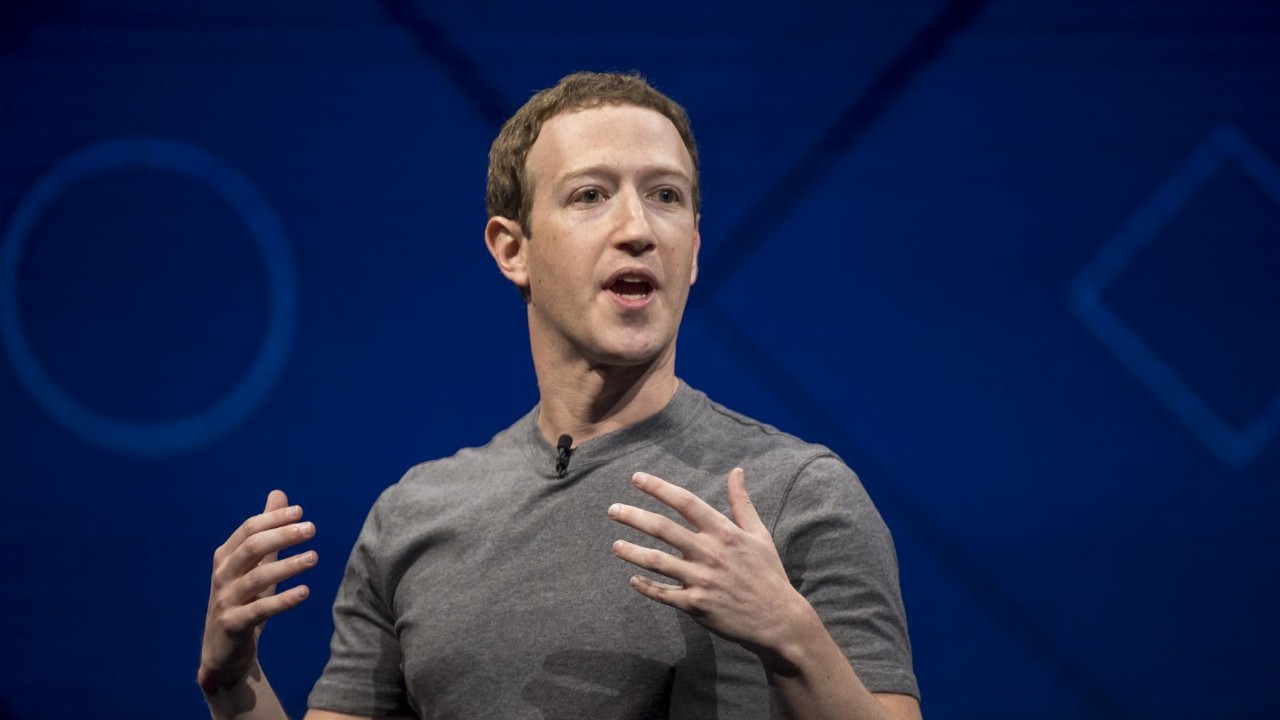
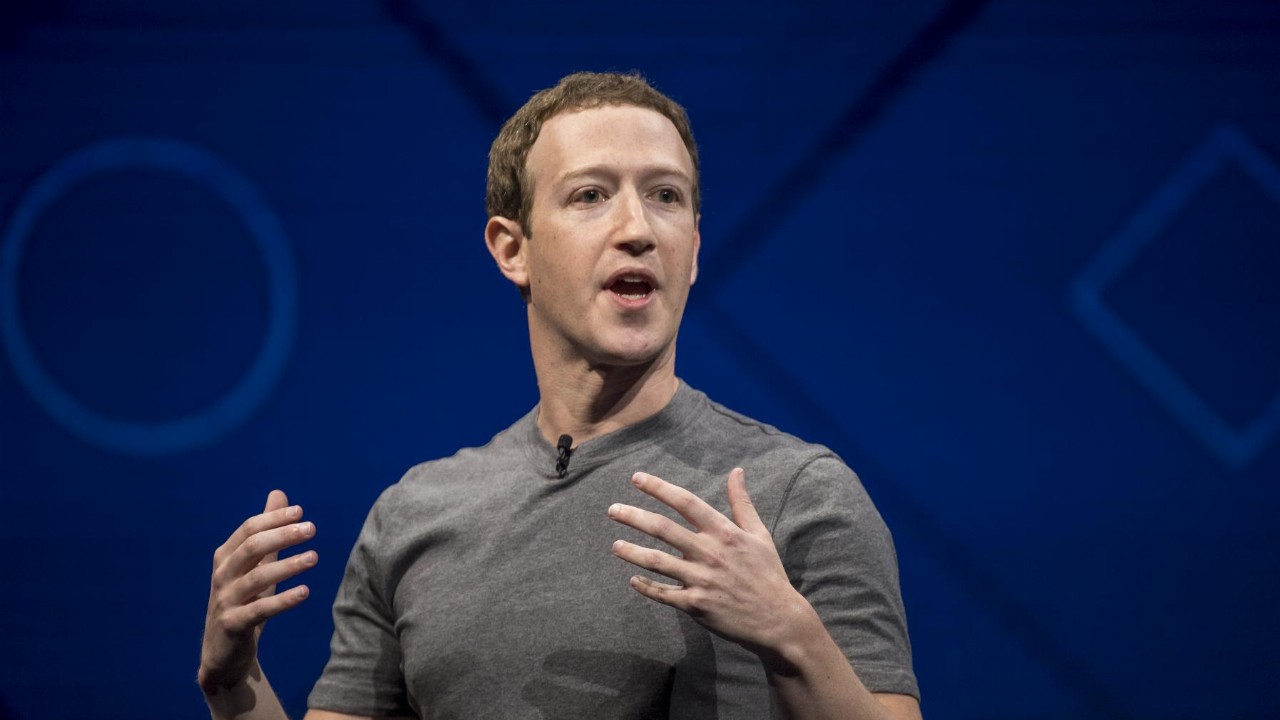
On Friday, Treasurer Josh Frydenberg said he had spoken with Facebook chief executive Mark Zuckerberg and that further talks were expected over the weekend. It’s not yet clear whether those discussions have taken place.
The laws, which have drawn significant international attention, have cleared the lower house of parliament and are expected to be passed by the Senate within the next week.
Simon Milner, Facebook’s Asia-Pacific policy director, told the Sydney Morning Herald that the company had three primary objections to the laws.
According to Milner, Facebook objects to being barred from discriminating between different news outlets that ask for money and to arbitration models that allow an independent body to select one payment over another.
It also resents the imposed obligation to enter commercial negotiations with Australian media companies.