
Join our daily newsletter At The Bell to receive exclusive market insights
- Continuous disclosure laws for Australia’s listed companies will be permanently relaxed as the federal government advances its crusade against class action lawsuits
- Previously, lawsuits only needed to prove companies had failed to disclose information, regardless of intent
- Now, however, they can only be held accountable if they acted with “knowledge, recklessness or negligence” during updates on market-sensitive information
- The ability to hold annual general meetings online will also be extended for another six months
- The laws align more closely with disclosure laws in the United States and United Kingdom, after the Howard government tightened them in 2005 and 2006
Continuous disclosure laws for Australia’s listed companies will be permanently relaxed as the federal government advances its crusade against class action lawsuits.
Businesses and their executives can now only be held accountable in civil penalty cases for breaches where they have acted with “knowledge, recklessness or negligence” during updates on market-sensitive information.
It’s a stark contrast to previous standards, had a “strict liability” or “no fault” offence, meaning shareholder lawsuits only needed to prove companies and their officers failed to disclose information to the market, regardless of intention.
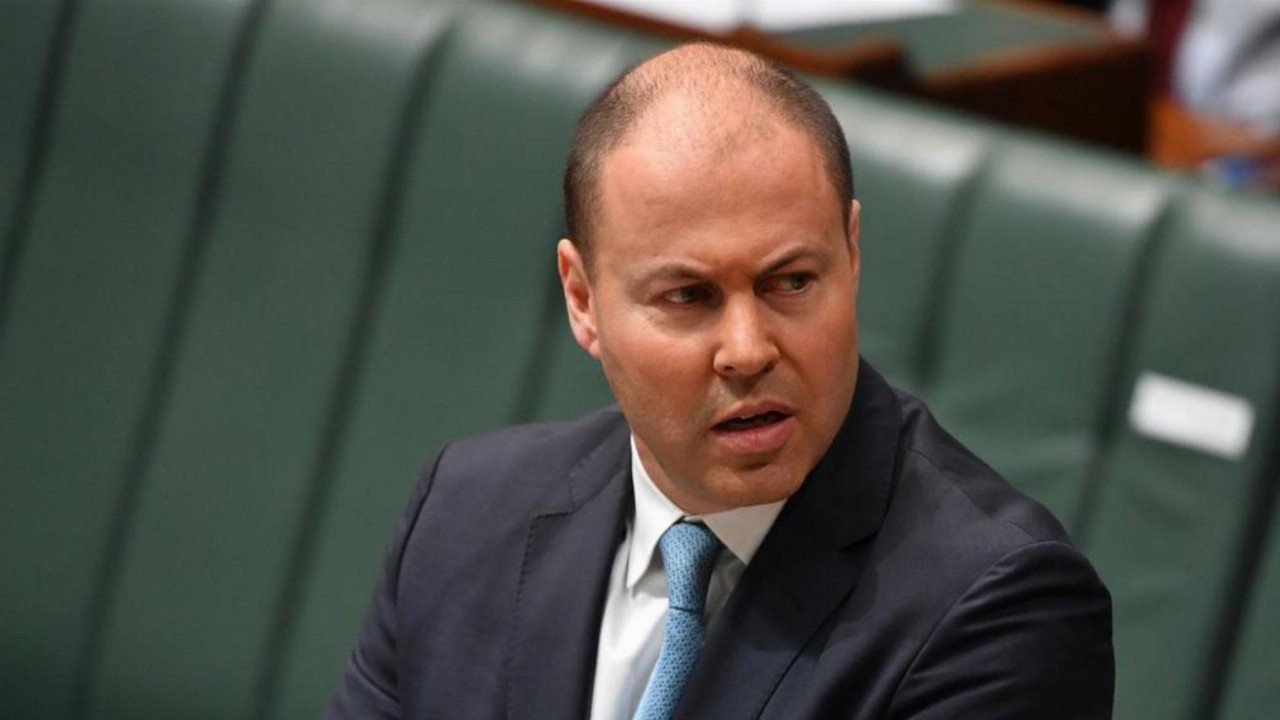
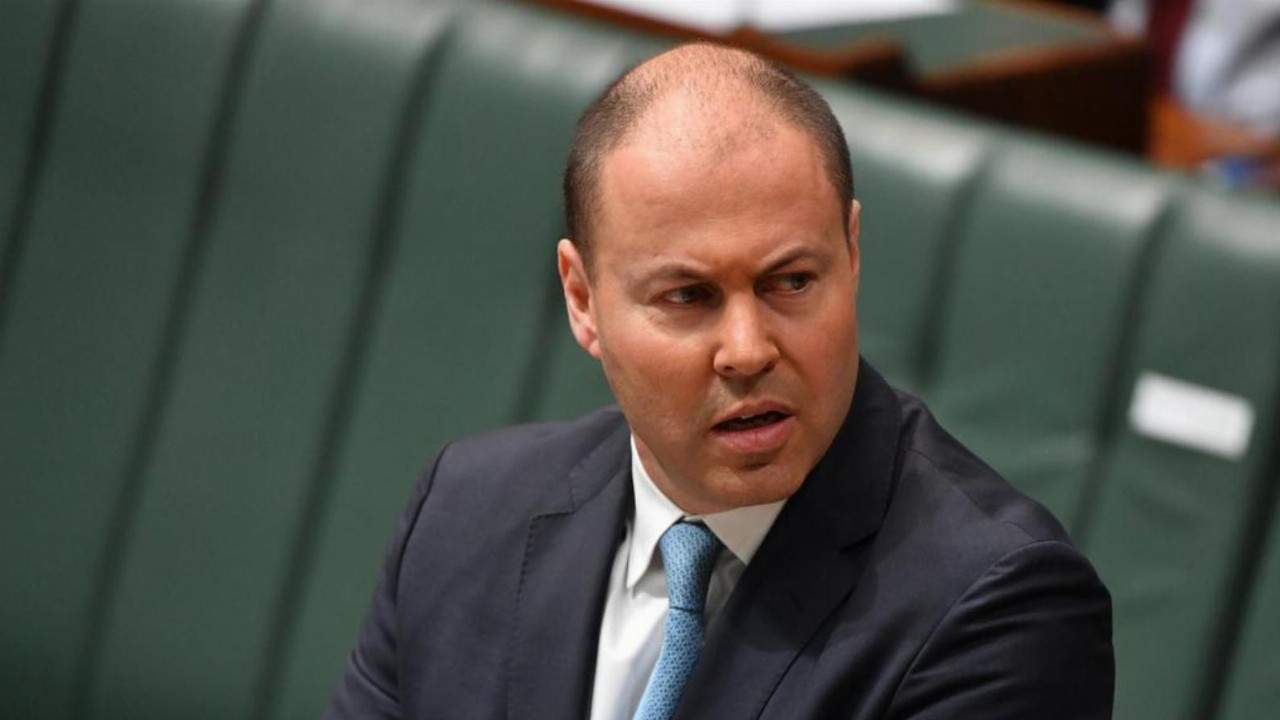
The changes were introduced by Treasurer Josh Frydenberg in May 2020 as a reprieve for COVID-related communication problems and were due to expire in March this year.
However, the new rules cement the reduced standards and also allow annual general meetings to be held online for another six months in an effort to encourage social distancing.
That said, the Australian Securities and Investments Commission maintains the power to prosecute criminal breaches and issue administrative notices and infringement penalties without proving fault.
“These changes strike the right balance between ensuring shareholders and the market are appropriately informed while also allowing companies to more confidently make forecasts of future earnings or provide guidance updates without facing the undue risk of class actions,” said Frydenberg.
They also align more closely with disclosure laws in the United States and United Kingdom, after the Howard government tightened the regulations in 2005 and 2006.
Angus Armour, chief executive of the Australian Institute of Company Directors, said Australia’s securities class action settings made us “a lucrative market for litigation funders.”
He added that the amendments would discourage “opportunistic” class actions that were being driven by funders’ returns rather than the interests of claimants, but said the changes do not “water down” disclosure requirements.
“The reckless or negligent director, and the individual who knew that disclosing information would affect the share price and said nothing, is still on the hook, as they should be.”
But not everyone agrees.
Louise Davidson, chief executive of the Australian Council of Superannuation Investors — which represents roughly $1 trillion of funds under management — said disclosure laws support the integrity of information provided to the market.
“Making these changes permanent could damage investor confidence at a time when investment will be crucial to a recovery,” she warned.
“Reducing accountability for poor disclosures is not the answer to addressing issues with class actions.”
Labor financial services spokesman Stephen Jones added that the foundation of a functioning sharemarket was disclosure.
“The Prime Minister has backed the interests of directors over mum and dad shareholders,” he said.
“It would be extraordinary in any time, but in the same fortnight Crown casino had to halt its trading and scandals have been exposed with senior managers and directors failing to disclose material problems, is even more extraordinary.”