

Join our daily newsletter At The Bell to receive exclusive market insights
We got the first major case study of a US tariff trade deal on Wednesday as Trump and the Japanese government have agreed on a trade deal that lowers Japan’s tariff burden to 15%.
While still higher than the 10% floor Trump wants to whack on most countries, it is perhaps not too surprising given Japan’s status as an autos giant, something Trump appears to care particularly about.
A nostalgic passion for US car manufacturing is a theme familiar to many Australians. It hasn’t been that long since Bob Katter dressed up like the Grim Reaper on the lawn of Parliament House to farewell Holden’s last manufacturing workshop in Australia.
But while the Japanese market has definitely liked the deal – and it’s worth noting auto stocks in particular have shot up with Toyota, Honda and Nissan all enjoying gains – the economic implications are, perhaps, concerning.

For one, Japan still faces 15% tariffs. Which is bad news for Japanese exporters, only by way of pain on the other side of the equation – it is American importers, remember, who will be paying 15% more. Not the Japanese manufacturers.
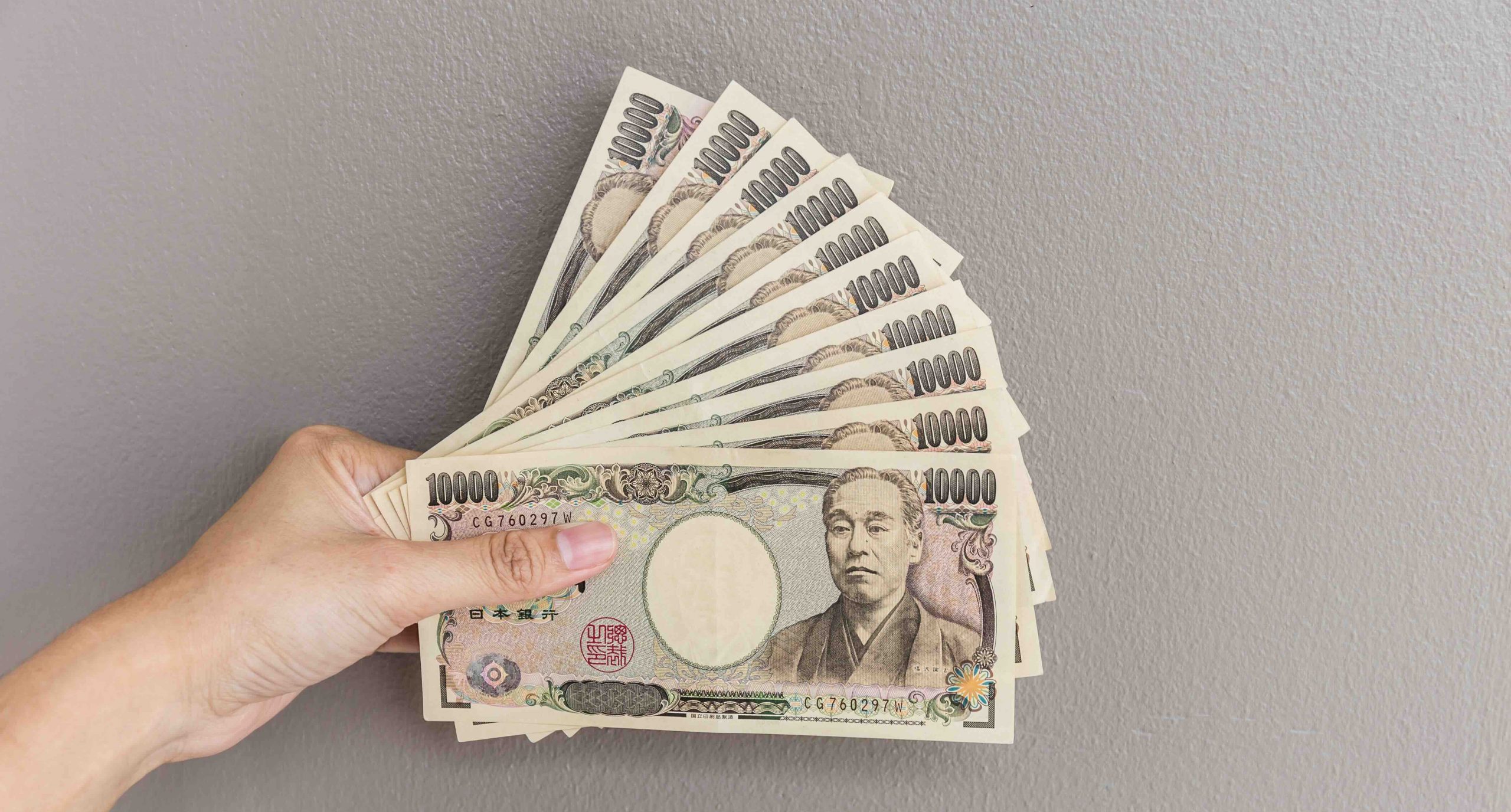
Then there’s the fact this deal appears to only have come around because Japan has promised to invest US$550B into the United States.
In a world where the billion-dollar-figure is becoming a more and more everyday figure (as if that isn’t evidence of a world spending far beyond its means,) the $550B figure should be recognised another way.
That’s over half a trillion US dollars.
While Japan may be the world’s 3rd largest economy and so perhaps in a somewhat decent state to provide that much FDI, if countries need to start coughing up hundred billion dollar sums to keep Trump happy, that doesn’t necessarily speak to an intuitive sense of fairness.
Japan must also open its doors to more US goods, and presumably, refrain from criticising Trump in any way, shape, or form.
Join the discussion: See what’s trending right now on HotCopper, Australia’s largest stock forum, and be part of the conversations that move the markets.