


Join our daily newsletter At The Bell to receive exclusive market insights
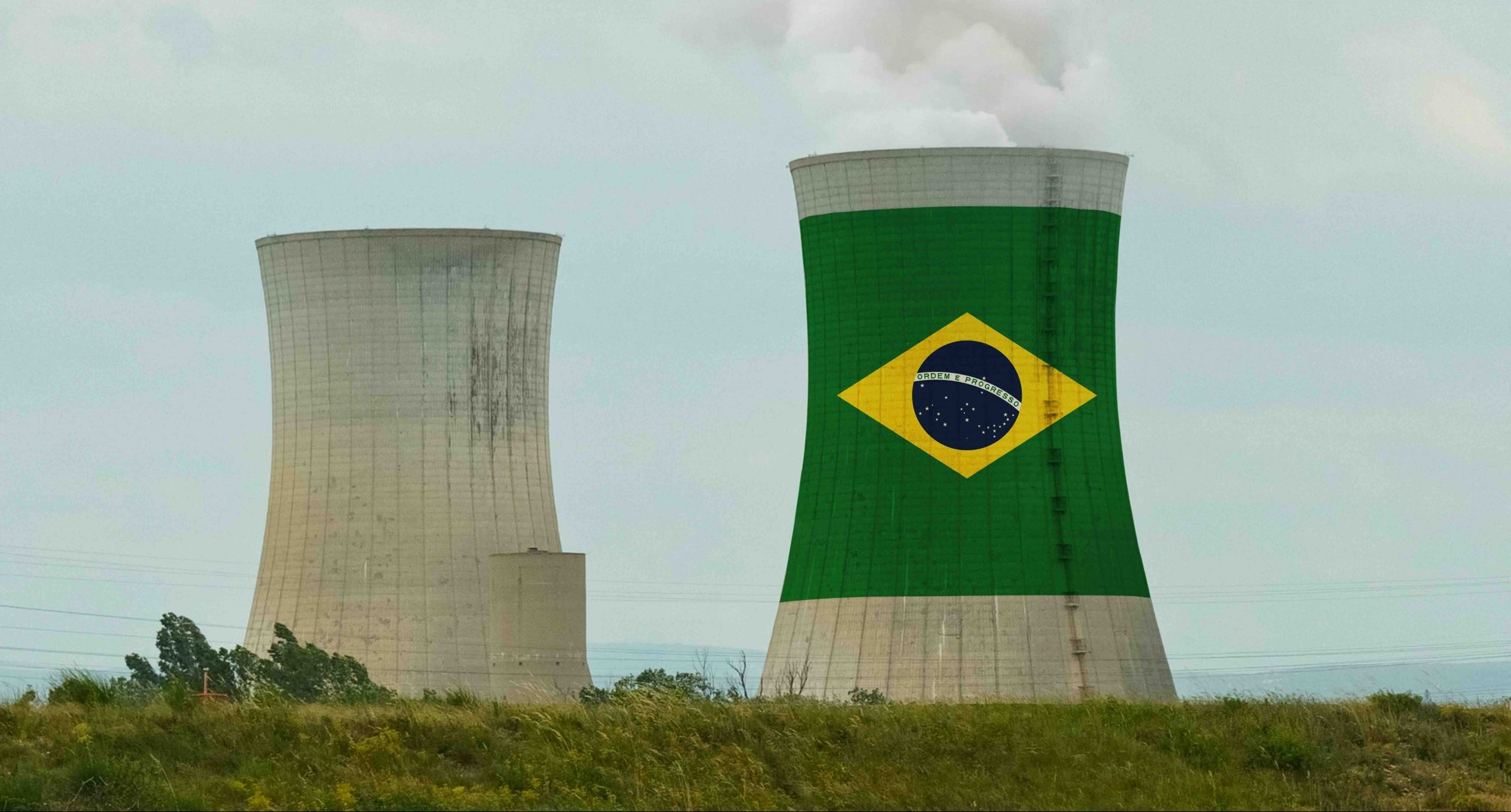
Nanocap Oar Resources (ASX:OAR) has confirmed its execution of a memorandum of understanding (MOU) with Brazilian state-owned nuclear agency Industrias Nucleares do Brasil (INB).
The MOU is ultimately a meet and greet at the government level ahead of any ore discoveries which Oar may or may not make. The company has multiple projects across the country.
Oar and INB will not only collaborate on any uranium feedstock produced, but also that for rare earths. Rare earths often coincide with radioactive materials underground including monazite and thorium; for this reason, REE testwork is undertaken by Australia’s nuclear regulator ANSTO.
In the background lies Oar’s recent expansion of its Brazilian uranium landholding(s) from 230sq.km to 880sq.km.
“We are extremely excited about our partnership with INB, and we look forward to working hand-in-hand to develop Brazil’s considerable critical and strategic mineral resources,” Oar CEO Paul Stephen said.
That would be understandable – the company has a market cap of $5M and its returns are significantly down over the last twelve months – a rare uranium junior that hasn’t ridden a wave YTD.
OAR last traded at 0.2cps.