
Join our daily newsletter At The Bell to receive exclusive market insights
- Ministers from OPEC+ agreed on Sunday to increase oil supply from August in an effort to cool oil prices
- Last year, OPEC+ cut global oil production by a record 10 million barrels per day as COVID-19 triggered a massive slump in demand
- From August until December this year, OPEC+ will boost supply by a further two million barrels per day
- The organisation is also aiming to fully phase out the production cuts by September 2022
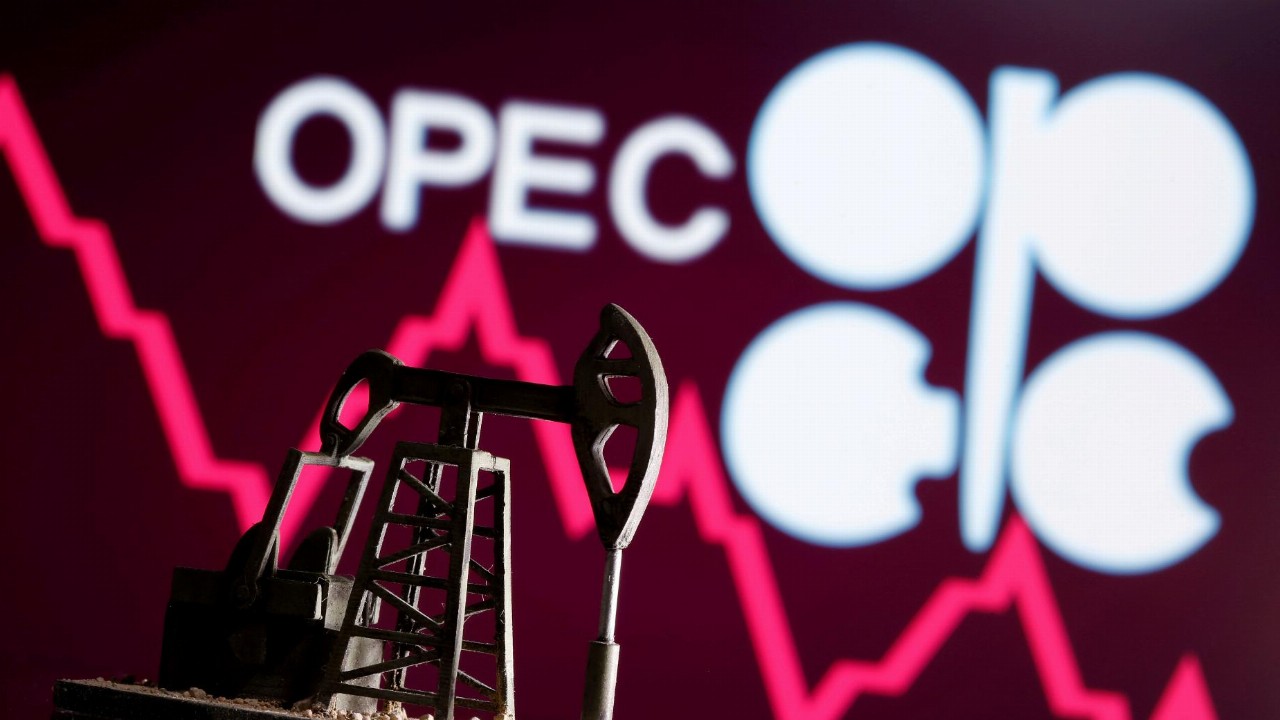
Ministers from the Organisation of the Petroleum Exporting Countries (OPEC+) agreed on Sunday to increase oil supply from August in an effort to cool oil prices that have climbed to two-and-a-half year highs as the global economy recovers from the pandemic.
Crucially, the group settled on new production allocations that will take effect from May next year after Saudi Arabia and other member countries agreed to a request from the United Arab Emirates that had threatened the plan.
Last year, OPEC+ cut global oil production by a record 10 million barrels per day as COVID-19 triggered a massive slump in demand, which in turn led to the collapse of prices. Since then, some supply has been reinstated, and reductions that remain in place amount to roughly 5.8 million barrels per day.
From August until December this year, OPEC+ will boost supply by a further two million barrels per day and aims to fully phase out the production cuts by September 2022.
While both Riyadh and the UAE had been in favour of an immediate output increase, the UAE had objected to Saudi Arabia’s proposal to extend the cuts to December 2022 without receiving a higher production quota.
To side-step the dispute, OPEC+ agreed to revised output quotas for several members — including the UAE, Saudi Arabia, Russia, Kuwait and Iraq — from May 2022 onwards.
As a result, the UAE will see its baseline production — from which the cuts are calculated — increase from 3.168 million barrels per day to 3.5 million.
Saudi Arabia and Russia will each see their baselines rise from 11 million to 11.5 million, while Iraq and Kuwait will see their baselines increase by 150,000 barrels.
Saudi Arabian energy minister Prince Abdulaziz bin Salman said Nigeria and Algeria could also see their baselines revised, and added that OPEC+ would adjust its policy if and when Iranian oil returned to the market.
Should it reach an agreement with world powers over its nuclear program, and once Western sanctions are lifted, Iran is likely to add around 1.5 million barrels per day to global supply.