


Join our daily newsletter At The Bell to receive exclusive market insights
You may well back the Melbourne Cup winner, but that’s probably the best it’s going to get next Tuesday, with today’s inflation reports all but confirming the Reserve Bank won’t be touching the cash rate in November.
Listen to the HotCopper podcast for in-depth discussions and insights on all the biggest headlines from throughout the week. On Spotify, Apple, and more.
As I said in my Market Open coverage this morning, today’s CPI print was going to be the cornerstone for the RBA’s Tuesday rate cut call next week.
Well, the numbers are now here: Inflation has jumped to 3.2% in the year to September (from 2.1%), while the RBA’s preferred stats, trimmed mean, climbed by 1% – a whole lot further ahead than the expected 0.6% bump.
Inflation on that trimmed measure was at 3% this year, up from 2.7%.
And so, the RBA would basically have to be mad to cut rates, on their own metrics.
Today marks the first time underlying inflation has risen since late 2022; in response, the RBA will likely delay any future cuts until 2026 at the earliest.
That would give them time to see how a post-Christmas world tracks, and whether they’ve made the right calls through CY25. The first chance to cut would then come in February, when they meet after holidays.
The whole affair was described as the “knockout blow to any remaining hope of a November rate cut” by Ben Udy, lead economist for Oxford Economics Australia, when he spoke to HotCopper after today’s print.
“While the uptick in unemployment in September had created a tricky situation for the Bank to navigate, the strength of the third-quarter inflation data more than offsets any concern about the labour market,” Mr Udy explained.
(My HotCopper colleague Jonathon Davidson and I did also tip that we’d seen the last of the 2025 rate cuts in a recent HotCopper Wire episode on the topic.)
How many we’d then get through CY26 would still very much be up in the air.
The Australian Bureau of Statistics today explained that the annual inflation rate was mainly driven by rising electricity prices. Thanks to several government subsidies ending, household power bills widely bounced +24%.
The inflation report today suggested Queensland, Western Australia, and Tasmania were the states that faced the most “higher out-of-pocket costs.”
Petrol prices did fall somewhat, but groceries climbed 3.1% through to September, with coffee, tea, and cocoa all spiking as much as 15%. That price ratchet came after beans supply overseas was heavily impacted.
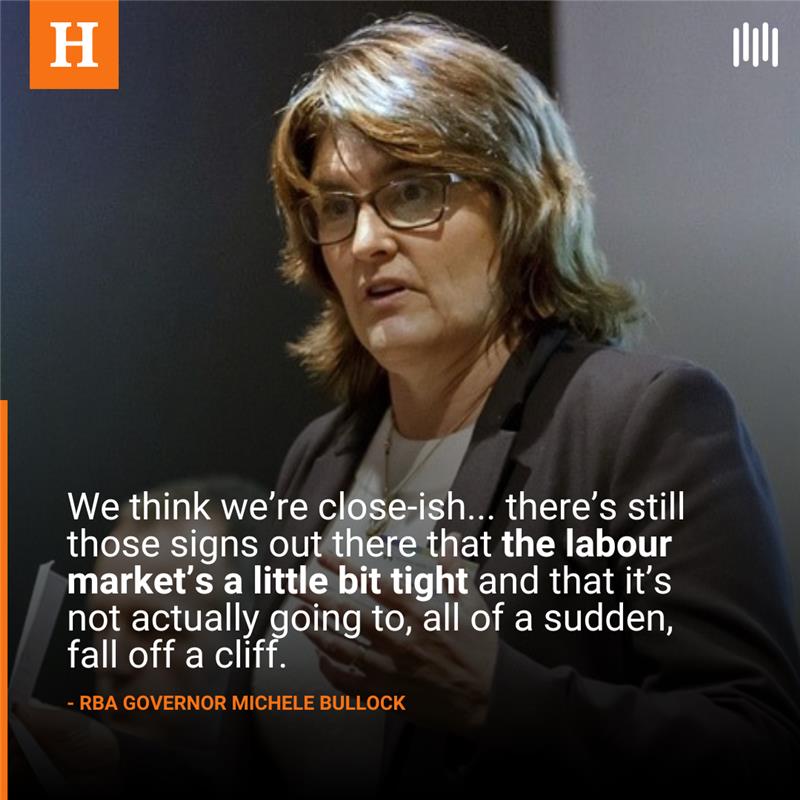
While we now have to wait until Tuesday for the RBA to share its formal stance on the inflation report, we do know how Governor Michele Bullock feels: On Monday, she declared anything above a 0.9% rise would be a “material miss” and would likely lead to the RBA keeping powder dry for now.
She did pledge the economy wasn’t about to “fall off a cliff,” though. Mr Udy is similarly hopeful; he told HotCopper, “We think rate relief is on the way.”
“The strength in today’s inflation data is largely temporary; as the impact of the unwind in electricity rebates fades, wage growth continues to cool, and global trade disruption increases the flow of cheaper imports into Australia, we expect inflation to ease meaningfully over the year ahead.”
He also expects the deterioration in the labour market to persist, which may then force the RBA to cut “towards neutral” when it next makes a move.
Join the discussion. See what’s trending right now on Australia’s largest stock forum and be part of the conversations that move the markets.
The material provided in this article is for information only and should not be treated as investment advice. Viewers are encouraged to conduct their own research and consult with a certified financial advisor before making any investment decisions. For full disclaimer information, please click here.