

Join our daily newsletter At The Bell to receive exclusive market insights
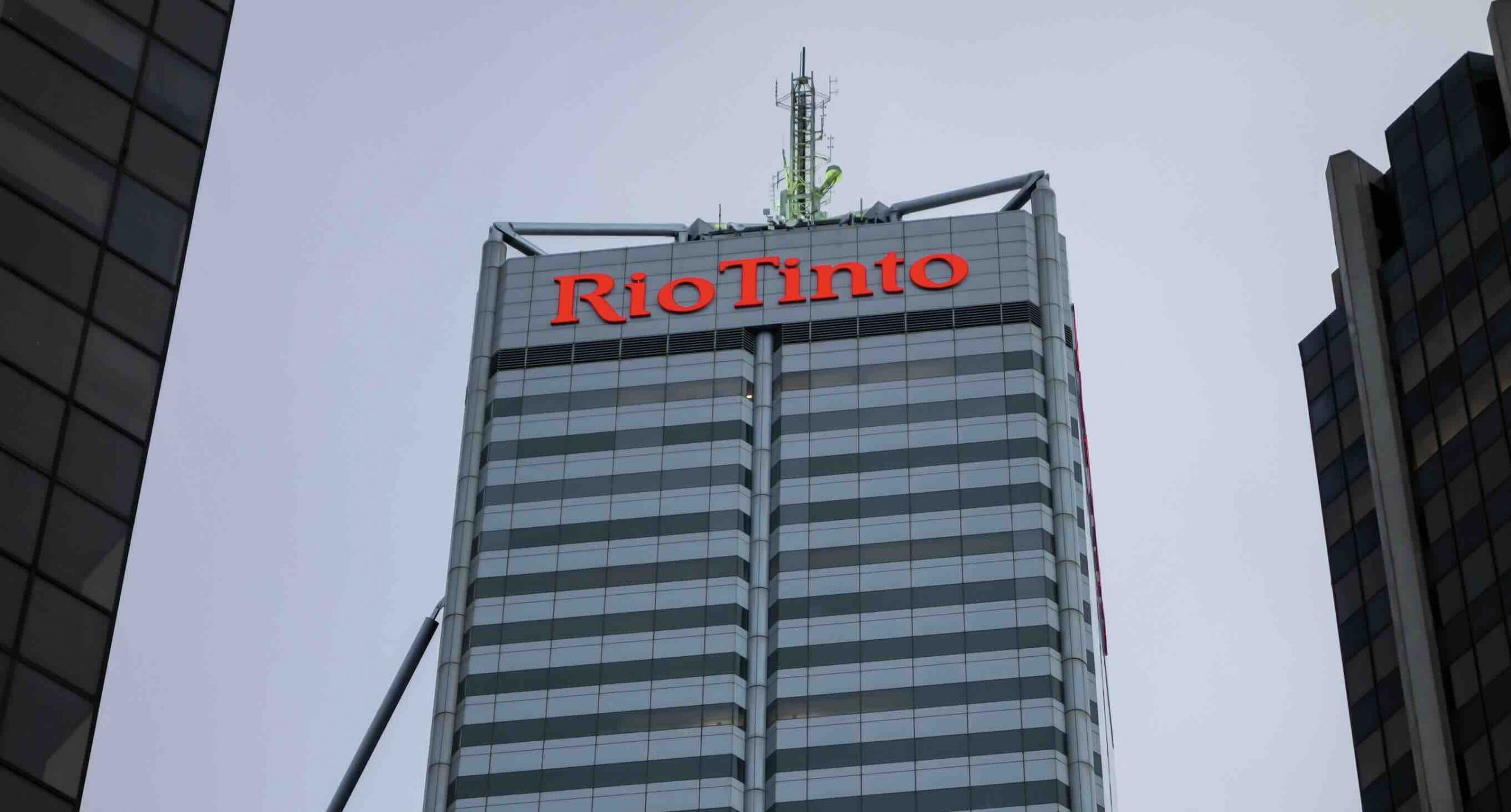
Rio Tinto (ASX:RIO) and Glencore have today walked away from their blockbuster $300 billion merger plans, after the two mining superpowers “could not reach an agreement that would deliver value to shareholders.”
Listen to the HotCopper podcast for in-depth discussions and insights on all the biggest headlines from throughout the week. On Spotify, Apple, and more.
Instead, the two will now “prioritise long-term value” as solo entities after passing the ‘put up or shut up’ February 5 deadline required by U.K. law.
“Rio Tinto assessed the opportunity and came to this view through a disciplined lens set out at its Capital Markets Day in December,” the Australian mining blue-chip told its shareholders in an ASX update this morning.
The major sticking point between the two had boiled down to real-world figures for price and who would then truly be running the $300B merged company.
On Rio’s side, the Australian company – led by CEO Simon Trott – had expected to have both a chairman commanding the new mining giant, and retain any chief executive roles that were created. That structure would have, on paper, given Rio ruling power over the merger once it’d all been settled.
These leadership requirements, Glencore wrote today, “significantly undervalued Glencore’s underlying relative value contribution to the combined group, even before consideration of a suitable acquisition control premium.”
The bottom line for the London-listed miner: “We concluded the proposed acquisition on these terms is not in the best interests of Glencore shareholders.”
Similarly, Glencore’s management didn’t like that the tabled pay structure would have left GLEN shareholders with just 40% of the merged group.
This negotiation collapse is the third time that Rio and Glencore have sat down at the table for merger talks and come away with nothing. Before CY26, the global miners sat down at the table in CY24 but quickly walked away. Similar team-up ideas had also been mooted more than a decade ago, in mid-CY14.
The mega-merger would have set Rio and Glencore up as the undisputed copper power across the globe, which would have been well-timed considering the price of the precious metal has been surging recently.
Instead, they’ll remain close competitors in the space, at least in the near future. Glencore carries the edge there right now; it produces some one million tonnes of copper through every year, compared to Rio’s 800,000 annually. Between the pair, they account for 7% of copper’s global production.
Rio will now also need to figure out what it wants to do with its dual-listed structure. There’s been much support on Australian shores for the miner to dump its London listing; stocks there have dropped -3% today.
Heading into Friday, RIO has been $157.13/sh in Australia.
Join the discussion: See what HotCopper users are saying about Rio Tinto Ltd and be part of the conversations that move the markets.
The material provided in this article is for information only and should not be treated as investment advice. Viewers are encouraged to conduct their own research and consult with a certified financial advisor before making any investment decisions. For full disclaimer information, please click here.