
Join our daily newsletter At The Bell to receive exclusive market insights
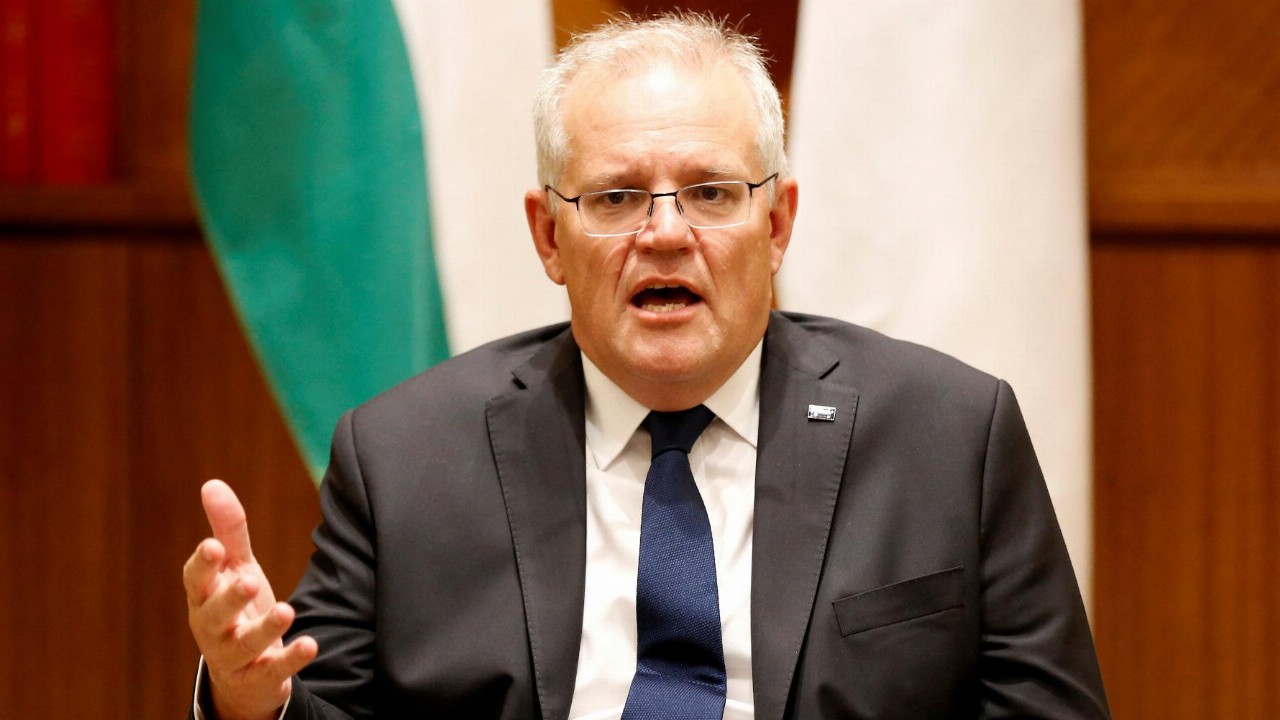
Prime Minister Scott Morrison has put jobs at the forefront of his federal election campaign, promising to create 1.3 million more over the next five years.
This comes the day after the Opposition Leader’s campaign stumble where he could not remember Australia’s unemployment rate and official interest rate.
In a damaging opening day, Albanese was forced into a series of public apologies after he was quizzed by journalists and could not name the Reserve Bank’s cash rate of 0.1 per cent and incorrectly said the unemployment rate was 5.4 per cent, not its current measure of 4 per cent.
The Coalition immediately seized the opportunity to call out Albanese, saying that the Opposition Leader lacks the experience to manage the economy, forcing the Labor leader to call a press conference to curb the damage done.
“We’ve got a massive economic opportunity coming out of this pandemic. You can’t risk it with a Labor Party and a Labor leader that can’t manage money and has no economic plan,” the Prime Minister told reporters from the marginal Labor-held seat of Parramatta in western Sydney.
“I’m human. But when I make a mistake, I’ll ’fess up to it, and I’ll set about correcting that mistake,” Albanese said in Devonport, more than an hour after his comments in Launceston.
The Prime Minister will be in Sydney on Tuesday to announce his jobs pledge, a commitment that was first made in December by Treasurer Josh Frydenberg when he said the government would create one million jobs in four years.
On Tuesday, Morrison will promise 1.3 million jobs by 2027 and attempt to highlight the Coalition’s economic record, noting 1.9 million jobs have been created since it came into government in 2013.
“We’ve got the runs on the board,” Morrison said in a reference to cricket, “and proven plans to deliver … boosting jobs creation to the levels we saw even before the pandemic is key to our plan for a stronger economy”.
The Reserve Bank is expected to lift the official cash rate in its first meeting after the May 21 election.
Financial markets are more hawkish, tipping a cash rate of 3.5 per cent by the end of 2023. The cost on government debt increased on Monday, hitting a 14-year high.
Wage growth was also forecast to accelerate, but not by enough to outpace inflation, leaving real incomes set to shrink this year.
To pacify disgruntled voters, the budget in March increased a tax break for 10 million low- and middle-income earners and offered one-off cash payments for pensioners and a temporary cut in fuel taxes
Albanese will continue his swing through Tasmania on Tuesday, promising to reinstate Medicare support for telehealth mental health consultations.
The ability to bulk bill psychiatry consultations through telehealth ended in December. Albanese will promise its reintroduction at a cost of $31.3 million over the next four years, supporting 450,000 consultations.