

Join our daily newsletter At The Bell to receive exclusive market insights
- Western Australian supply woes are expected to lift this week as the Trans-Australian railway reopens and reconnects WA with the rest of the country
- Major flooding in January damaged a 300-kilometre stretch of track, but the WA Department of Transport says repair efforts have gone smoothly
- This was only exacerbated by worker shortages are the Omicron variant saw millions of Australians per week in isolation
- WA Transport Minister Rita Saffioti says though the supply of goods into WA will now stabilise, it will take “some time” to clear the backlog of supplies
- Supermarket stocks are largely trading green today, with Woolworths (WOW) up 0.83 per cent to $34.19, Coles (COL) up 1.62 per cent to $16.68 and Metcash up 0.12 per cent to $4.14 in the final hour of trade
Western Australian supply woes are expected to lift this week as the Trans-Australian railway reopens and reconnects WA with the rest of the country.
The WA Department of Transport on Tuesday said repair efforts had gone smoothly and the track was now once again open for business.
Major flooding on January 21 damaged a 300-kilometre stretch of track, blocking Western Australia from receiving goods that were supposed to be freighted from eastern states.
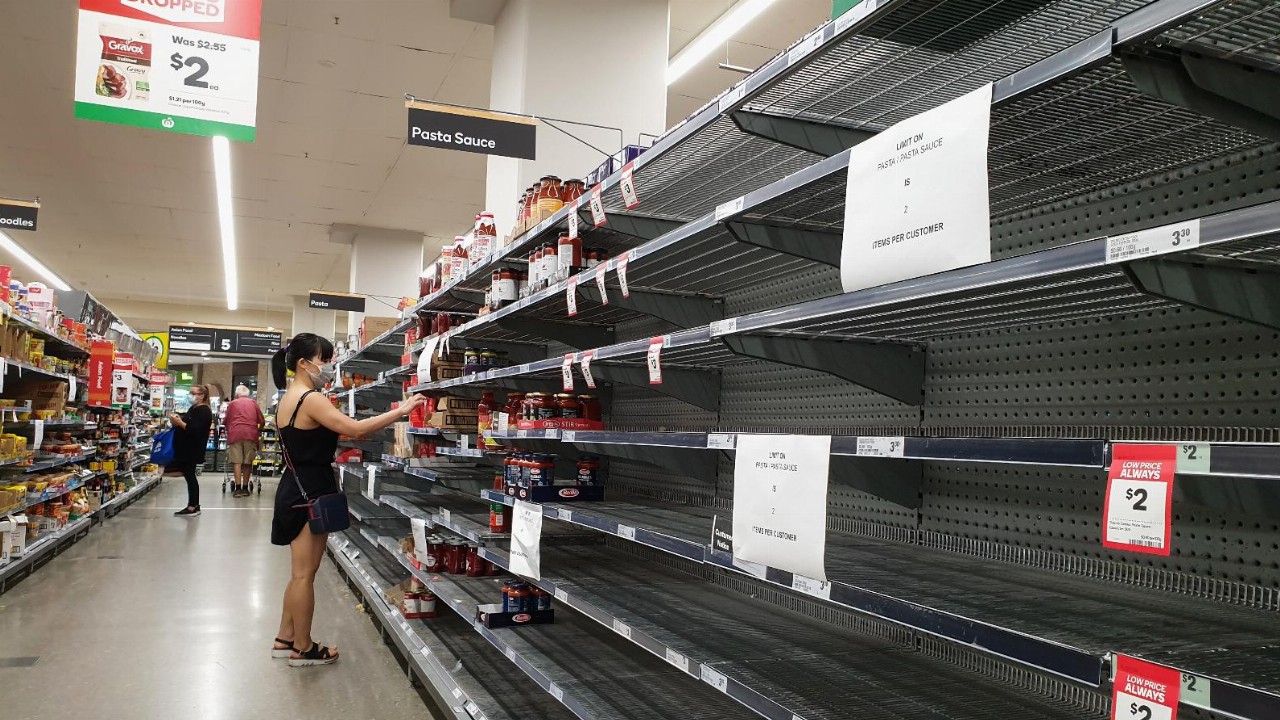
The meant WA supermarket shelves were somewhat barren for the past several weeks, with canned foods, pasta, toilet paper, and chicken among the missing goods.
While the WA government set up a “land bridge” freight service to freight goods across the Nullabor via road trains, the transport of goods was slow-moving.
In fact, Woolworths had resorted to shipping goods into WA to help get products back on shelves.
WA Transport Minister Rita Saffioti said though the supply of goods into WA will now stabilise as the Trans-Australian railway reopens, it will take “some time” to clear the backlog of supplies built up over the past few weeks.
“I encourage everyone to remain patient and to continue to only buy what you need over the next few weeks,” Ms Saffioti said.
“We care continuing to allow truck deliveries to supermarkets 24/7, under changes to planning laws in 2020, which will mean we can get more essential goods and supplies back onto our supermarket shelves quicker.”
The damaged railway only exacerbated global supply chain woes that have helped bring about startling levels of inflation in many parts of the world, particularly in the United States.
In Australia, the situation was worsened by the spreading Omicron variant of COVID-19, which saw millions of people around the country per week staying home due to isolation requirements for positive cases and close contacts.
This added pressure to a labour market already struggling due to a lack of foreign workers, and it meant there weren’t enough workers to get the required goods into WA without the Trans-Australian railway.
Today, supermarket stocks are largely trading green, with Woolworths (WOW) up 0.83 per cent to $34.19, Coles (COL) up 1.62 per cent to $16.68 and Metcash, which owns IGA, up 0.12 per cent to $4.14 in the final hour of trade.