

Join our daily newsletter At The Bell to receive exclusive market insights
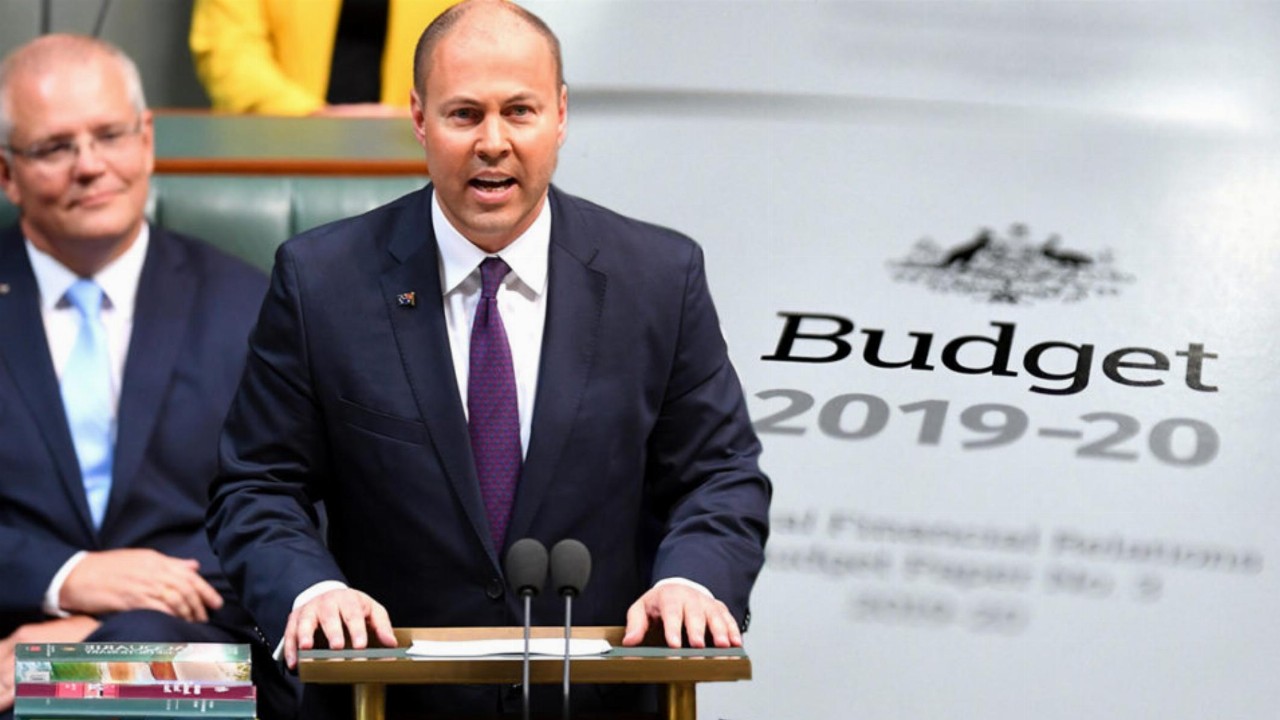
- Last week, Federal Treasurer Josh Frydenberg said the government is considering bringing massive tax cuts forward to help bring Australia out of recession
- The move has been met with some criticism with higher income Australians set to benefit moreover low-income earners
- However, more savings for the country’s top investors likely means a boost to the stock market
- The stocks primed to benefit from the tax cuts are dependant on the state of the COVID-19 pandemic
- If things continue to improve, risk-on sectors like tech and consumer discretionary can likely expect a boost
- If things take a turn for the worst, defensive sectors like consumer staples and gold will likely be at the receiving end of more investment
Last week, Federal Treasurer Josh Frydenberg said the government is considering bringing massive tax cuts forward to help bring Australia out of recession.
The third phase of the tax-cut plan outlined in the 2019 federal budget has already been brought forward from 2024 to 2022, but the Treasurer hinted that it could be fast-tracked even further to this financial year as Australia navigates its first official recession in almost three decades.
However, the move has received criticism from organisations like the Australian Council of Social Service (ACOSS) for benefitting big earners more than low-income workers.
But what’s the actual difference?
Those earning between $22,000 and $39,000 a year will pay $255 less in tax, while workers with a taxable income between $40,000 and $49,000 a year will have their tax reduced by $580.
This bigger savings begin to kick in for those earning at least $50,000 a year but less than $90,000, who save $1080 on tax. People making between $90,000 and $99,000 save $1215, and workers earning between $100,000 and $119,000 save $1665.
Meanwhile, those earning $120,000 and above will save $2565 on their tax payment each year.
“More money into people’s pockets means more spending, and more spending means more jobs,” the Treasurer said.
Nevertheless, while the cuts have been criticised for their lack of support for low-income workers, it means wealthy investors will have some more money to play with when re-jigging their portfolios.
How will tax cuts affect the ASX?
Where the extra cash is most likely to go will depend on the development of the COVID-19 crisis.
For example, if things get worse again — through fresh virus outbreaks and renewed lockdowns — well-off investors will likely turn to defensive stocks, such as the big players in the gold and consumer staples sectors.
Taking a look at the trends from the market crash in March, Woolworths (WOW) and Coles (COL) each recovered more than 15 per cent in a matter of weeks after their COVID-induced lows as panic buyers stripped supermarket shelves bare.
Meanwhile, the All Ordinaries Gold Index (AXGD) soared to an all-time high in the months after the pandemic hit as the spot price of the precious metal rose.
Big gold players like Newcrest (NCM), Northern Star (NST), and St Barabara (SBM) have completely recovered since the March crash and then some. A notable mention goes to De Grey Mining (DEG), which has increased in value by nearly 3000 per cent since the start of 2020.
Big health care stocks have also remained sturdy since the virus hit as the race for a COVID-19 vaccine continues. Biotech giant CSL increased its value by a fifth over mid-March to mid-April.
Thus, if the pandemic stretches on and the financial outlook remains uncertain, these are the stocks likely to get a bit of a boost if the country’s top investors are allowed to hold on to more of their cash.
But what if things get better?
On the other hand, if — as we’ve already seen in many parts of the country — infection rates stay low and economies begin to reopen, riskier stocks and those most impacted by the pandemic will likely be the first receivers of some fresh investment.
Take the tech sector, for example, which has more-than-doubled since March 23 as Australia fends off COVID-19. Beneficiaries of stay-at-home orders like Afterpay (APT), WiseTech (WTC), and NEXTDC (NXT) have been among the index’s best performers.
Leisure stocks like have shown similar trends, rising and falling in tune with COVID-19 infection rates. Crown Resorts (CWN), which was struck a brutal blow from the virus, has since recovered by over 50 per cent. It’s a similar story for Tabcorp (TAH), currently up almost 60 per cent from its March low.
Tech retailer JB Hi-Fi (JBH) hit its all-time high share price in August.
Yet, while these stocks recovered more than many from the pandemic, this means they are also at a higher risk of tumbling should things take a turn for the worse.
As such, while the upcoming potential tax cuts will certainly impact the stock market, the area of focus will depend on the current state of the pandemic.