

Join our daily newsletter At The Bell to receive exclusive market insights
- The US Commerce Department adds Israel’s NSO Group to its trade blacklist on Wednesday
- Tel Aviv-based Candiru, Russia’s Positive Technologies and Singapore’s Computer Security Initiative Consultancy were also added
- In the past, NSO Group has been accused of selling hacking tools to authoritarian regimes, particularly its Pegasus spyware
- A spokesperson for NSO says the firm was “dismayed” by the decision and said it would advocate for it to be reversed
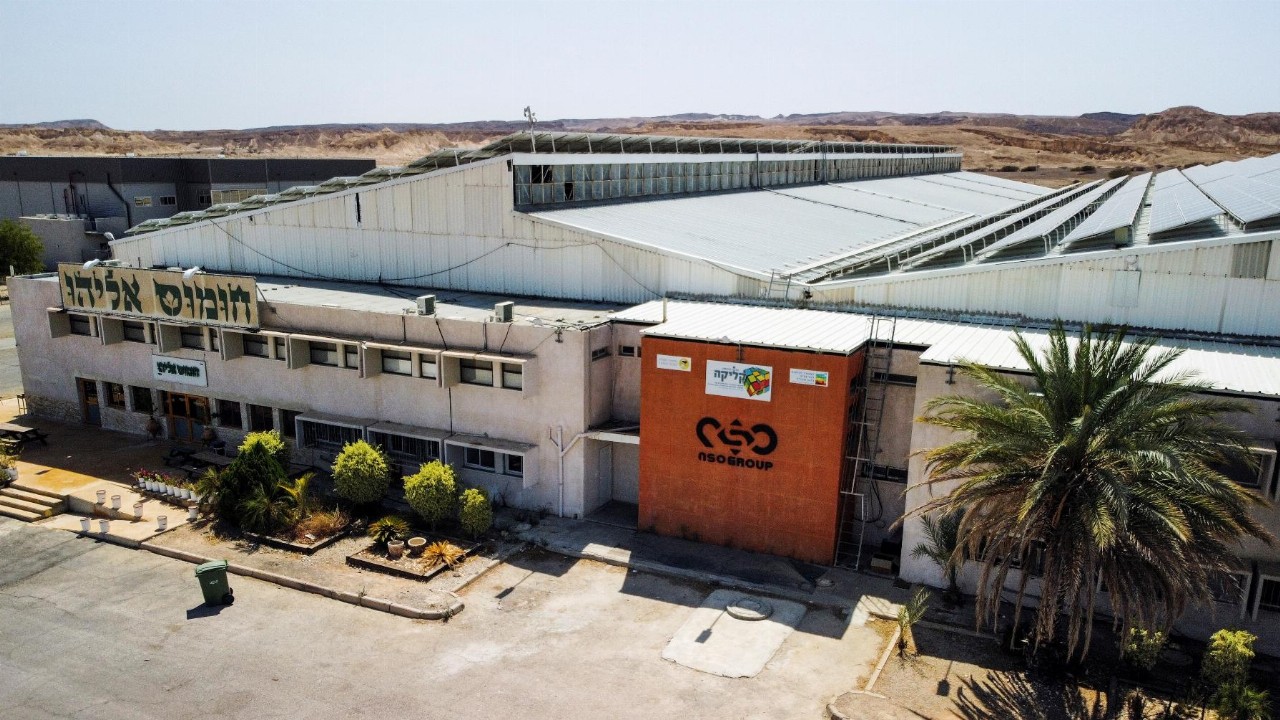
The US Commerce Department added Israel’s NSO Group to its trade blacklist on Wednesday, claiming the firm sold spyware to foreign governments that used the equipment to target government officials, journalists and others.
Tel Aviv-based Candiru, Russia’s Positive Technologies and Singapore’s Computer Security Initiative Consultancy were also listed.
The firms’ addition to the list — for engaging in activities that threaten America’s national security or foreign policy interests — means exports to them from US counterparts are restricted. For example, it makes it far more difficult for American security researchers to sell them information about computer vulnerabilities.
Suppliers will also need to apply for a license before selling to the blacklisted companies, which is likely to be denied.
“We are not taking action against countries or governments where these entities are located,” a spokesperson for the US State Department said.
In the past, NSO Group — as well as Candiru — has been accused of selling hacking tools to authoritarian regimes. NSO, however, claims it only sells its products to law enforcement and intelligence agencies.
NSO is known particularly for its Pegasus spyware. The program is designed to infect targets without notice and allows the user to access a phone’s text messages, phone calls, photos, passwords, camera and microphone.
Pegasus came to prominence earlier this year as a result of The Pegasus Project — an investigation that analysed 50,000 phone numbers and found more than 1000 people in 50 countries were thought to be under surveillance by the software.
Those targets included journalists, politicians, government officials, chief executives and human rights activists.
A spokesperson for NSO said the firm was “dismayed” by the decision since its technologies “support US national security interests and policies by preventing terrorism and crime, and thus we will advocate for this decision to be reversed”.
NSO will present information regarding its “rigorous” compliance and human rights programs, “which already resulted in multiple terminations of contacts with government agencies that misused our products”.