

Join our daily newsletter At The Bell to receive exclusive market insights
- The US State Department unveiled a US$10 million (A$13.5 million) reward on Thursday for information on any senior figure in the DarkSide hacking group
- DarkSide is thought to be responsible for the cyber attack on Colonial Pipeline in May, which led to a days-long shutdown and a spike in gas prices
- US$5 million (A$6.75 million) will also be offered for information on anyone attempting to participate in a DarkSide ransomware attack
- In June, the White House urged corporate executives and business leaders in America to ramp up their security measures
The US State Department unveiled a US$10 million (A$13.5 million) reward on Thursday for information leading to the location or identification of any senior figure in DarkSide, a cybercrime organisation the FBI claims is based in Russia.
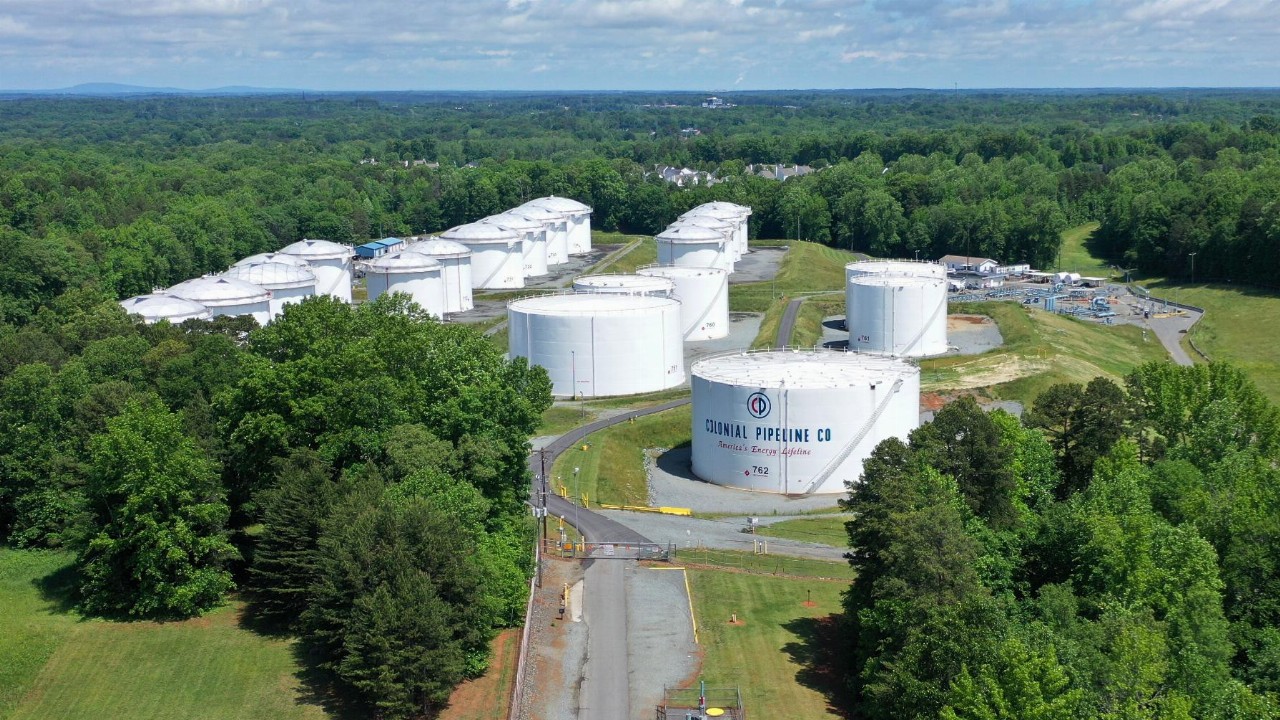
DarkSide is thought to be responsible for the cyberattack on Colonial Pipeline in May, which led to a days-long shutdown and a spike in gas prices, panic buying and fuel shortages in the southeast of the US.
The department also said it would offer US$5 million (A$6.75 million) for information leading to the arrest or conviction — in any country — of anyone attempting to participate in a DarkSide ransomware attack.
“In offering this reward, the United States demonstrates its commitment to protecting ransomware victims around the world from exploitation by cybercriminals,” it said in a statement.
Colonial Pipeline said it paid DarkSide almost US$5 million (A$6.75 million) in bitcoin to regain access to its systems, roughly US$2.3 million (A$3.11 million) of which was recovered by the US Justice Department in June.
While bitcoin seizures are rare, authorities have stepped up their expertise in tracking the flow of digital money as ransomware attacks continue to present a growing threat to national security.
In June, the White House urged corporate executives and business leaders in America to ramp up their security measures.
“Business leaders have a responsibility to strengthen their cyber defenses to protect the American public and our economy,” White House press secretary Jen Psaki said at the time.
According to Anne Neuberger, cybersecurity adviser at the National Security Council, those measures could include multifactor authentication, endpoint detection and response, encryption and a skilled security team. Companies should also back up their data and regularly test systems.
“The threats are serious and they are increasing,” Ms Neuberger said.
“We urge you to take these critical steps to protect your organisations and the American public.”