

Join our daily newsletter At The Bell to receive exclusive market insights
- The United States is pushing for all 164 members of the World Trade Organisation (WTO) to support an intellectual property (IP) waiver for COVID-19 vaccines
- It comes a year after South Africa and India first introduced the proposal, but negotiations have so far failed to make much progress
- More than 100 countries have shown support for the initiative, claiming it would help save lives by allowing developing countries to produce COVID-19 vaccines
- The WTO is looking to reach an agreement regarding the global response to the pandemic at its ministerial conference in Geneva from November 30 to December 3
The United States is pushing for all 164 members of the World Trade Organisation (WTO) to support an intellectual property (IP) waiver for COVID-19 vaccines.
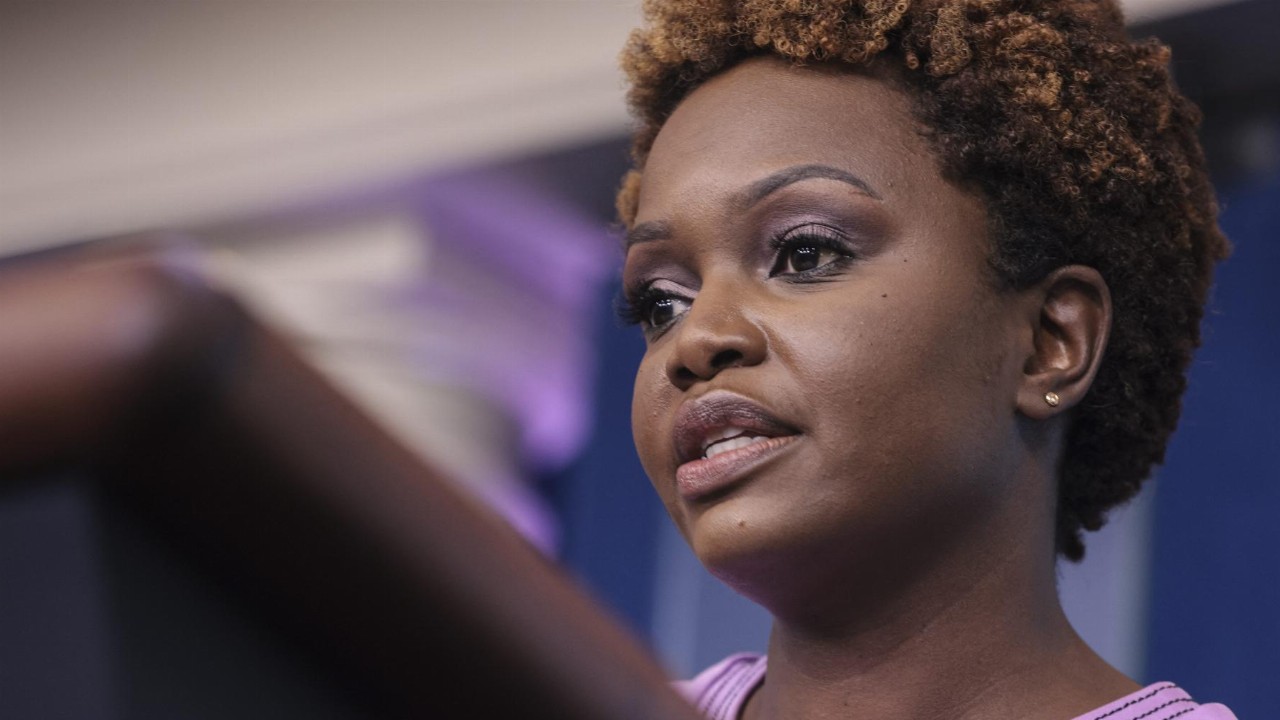
“We … need every WTO member to step up as well and support an intellectual property waiver, and every company must act ambitiously and urgently to expand manufacturing now,” White House spokesperson Karine Jean-Pierre said on Thursday.
It comes a year after South Africa and India first introduced the proposal to temporarily waive IP rights on the vaccines and other therapies, but negotiations have so far failed to make much progress.
More than 100 countries have shown support for the initiative, claiming it would help save lives by allowing developing countries to produce COVID-19 vaccines. However, the European Union and several other countries remain opposed.
Last week, WTO Director-General Ngozi Okonjo-Iweala conceded that formal negotiations regarding the waiver were “stuck,” but said she believed informal talks were growing.
Speaking to a Washington think tank, Okonjo-Iweala said she believed that WTO members could “find a pragmatic compromise on the IP waiver” that would ensure equitable access to vaccines, while maintaining incentives for research and innovation.
An EU official described “intense talks” with South Africa last week about how to boost the availability of vaccines, potentially breaking the stalemate.
“We’re in intense talks with them around the idea of facilitating compulsory licencing,” Antonio Fernandez-Martos told the trade committee of the European Parliament, referring to a system whereby a government allows the manufacturing of a patented product without the consent of the patent owner.
“I can tell you that we are ready to go beyond what we have put on the table, because I think this is what can actually deliver increased manufacturing and more equitable distribution of vaccines and therapeutics.”
The WTO is looking to reach an agreement regarding the global response to the pandemic at its ministerial conference in Geneva from November 30 to December 3.