
Join our daily newsletter At The Bell to receive exclusive market insights
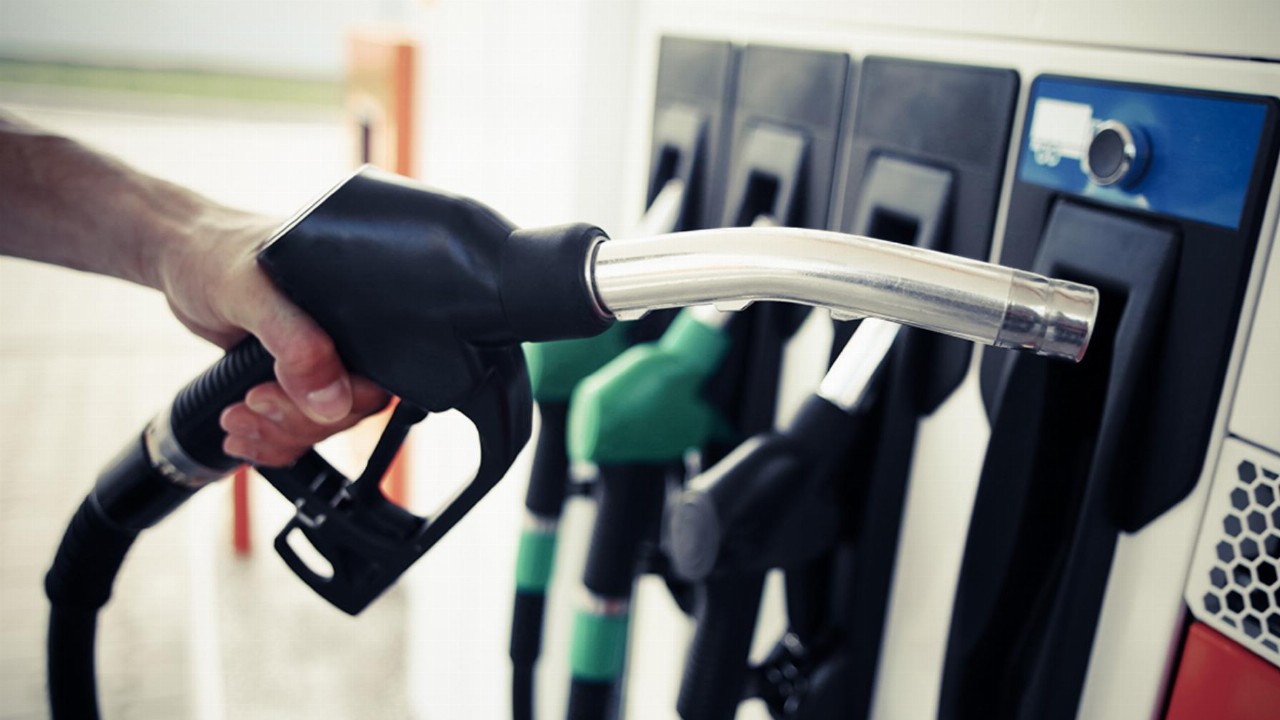
- Petrol prices hit a seven-year high in October, according to new figures from the Australian Competition and Consumer Commission (ACCC)
- The ACCC report shows that motorists in Perth, Sydney, Melbourne, Brisbane and Adelaide all paid on average 172.4 cents per litre – the highest petrol has been since 2014
- High international refined petrol prices and a falling Australian to US dollar exchange rate are being blamed for the price hikes
- The increase in fuel costs also resulted in a more than 2.5 per cent jump in living costs across the September quarter of 2021
- The Australian Bureau of Statistics (ABS) says petrol prices rose 25 per cent between 2020 and 2021, the biggest price increase across all living expenses
Petrol prices hit a seven-year high in October, according to new figures from the Australian Competition and Consumer Commission (ACCC).
The ACCC data shows motorists in Perth, Sydney, Melbourne, Brisbane and Adelaide all paid on average 172.4 cents per litre – the highest petrol has been since 2014.
Similarly, the Australian Bureau of Statistics (ABS) released figures in early November that showed petrol prices rose by around 25 per cent between 2020 and 2021.
The jump in fuel costs led to a more than 2.5 per cent hike in average living expenses in Australia during the September quarter, according to the ABS.
For the September quarter, the consumer price index (CPI) rose 0.8 per cent, according to the ABS, with fuel driving inflation with the most significant price rise at 7.1 per cent.
ACCC Chair Rod Sims explained fuel had increased due to higher international refined petrol prices plus the falling US to Australian dollar exchange rate.
“International refined petrol prices and the Australian to US dollar exchange rate largely determine movements in the retail price of petrol in Australia,” he said.
The ACCC Chair added that movements in the crude oil price were also to blame, given they drive the international price of refined petrol.
“It is important to understand that this is predominately due to higher international prices and the actions of the OPEC cartel,” Mr Sims said.
“The OPEC cartel’s restriction of oil production is ultimately causing Australian motorists to pay very high prices for petrol at the moment.
“We will continue to keep a very close eye on the petrol market, and now that the international refined petrol price has started falling, we expect to see retail prices here do the same.”