

Join our daily newsletter At The Bell to receive exclusive market insights
- Up to $2 million in new funds from a Chinese investor to support Antilles Gold’s Nueva Sabana mine.
- Funds to be repaid within eight months of commissioning in CY27
- Construction at Nueva Sabana gold-copper commenced in December CY25.
Antilles Gold (ASX: AAU) is raising a further $2 million to support the development of its Nueva Sabana mine through the issue of shares to Chinese investor Yue Xiao. Mr Xiao was introduced by Xinhai Mining, the EPC contractor for the Cuban project.
Listen to the HotCopper podcast for in-depth discussions and insights on all the biggest headlines from throughout the week. On Spotify, Apple, and more.
The funds have been received and will be loaned to 50% owned joint venture company, Minera La Victoria, to be applied to construction costs for the mine under a secured interest-bearing loan to MLV from subsidiary, Antilles Gold.
Together with past and future loans, the funds will be repaid within eight months of commissioning of the mine early next year.
As a consequence, the current loan amount will increase to around US$4.9M and ultimately to approximately US$8M by late CY26 when construction is due to wrap up.
The additional loan could potentially be funded from the conversion of up to 834M Antilles options on issue, which are exercisable at around US$5.8M.
In mid-March, Antilles announced that two gold royalty agreements had been formalised for the Nueva Sabana copper-gold mine.
A total of US$5M will be paid by two Investors, Astrovest Group (US$1M), and Lucerne Investment (US$4M), directly to the engineering, procurement, and construction (EPC) contractor, Xinhai Mining, to match their monthly progress payments between early April and early July. Both of these Investors are existing shareholders of Antilles Gold, either directly or indirectly.
Under the deal, Minera La Victoria (MLV), the 50% owned joint venture company developing the mine, will instruct the contracted buyer of concentrates to pay the 1.1% and 4.4% royalties from amounts due to MLV for purchases of the gold concentrate, directly to the two investors.
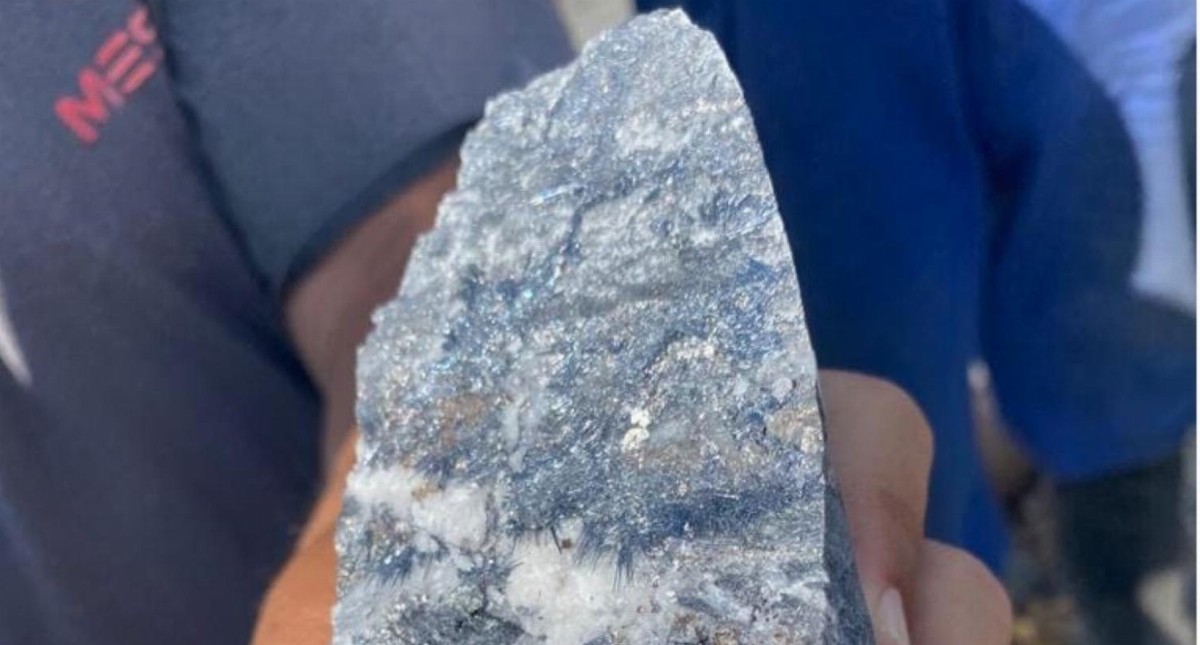
The gold concentrate will be produced over the first 18 to 20 months of the mine’s operation after the commissioning in January CY27. The Royalties will not apply to the copper- gold concentrate that will be produced over the following 30 months.
Antilles is participating in the development of two previously explored mineral deposits in Cuba to produce gold, silver, antimony and copper concentrates, and the exploration of potentially large porphyry copper deposits through its 50:50 joint venture with the Cuban government’s mining company, GeoMinera SA.
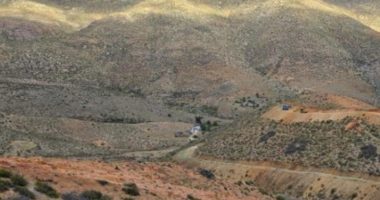
The first project to be developed by the joint venture company Minera La Victoria is the relatively small first stage of the Nueva Sabana gold-copper mine in central Cuba, where construction commenced in December.
AAU is down -3.70%, to 1.3¢. Mkt cap $42.24M.
Join the discussion: See what Hot Copper users are saying about Antilles Gold Ltd and be part of the conversations that move the markets.