
Join our daily newsletter At The Bell to receive exclusive market insights
- A Bitcoin flash crash sends many of the world’s biggest cryptocurrencies tumbling overnight
- The sell-off comes as El Salvador officially adopts Bitcoin as legal tender — the first country in the world to do so
- However, general public scepticism around the move and tech glitches hindering the first day of the Bitcoin experiment seemingly drove crypto lower
- Losses of over 10 per cent from many of the biggest cryptocurrencies wiped out an estimated US$400 billion ($A541 billion) from the global crypto market
A Bitcoin flash crash sent many of the world’s biggest cryptocurrencies tumbling overnight as El Salvador became the first country to make Bitcoin legal tender.
Bitcoin was sitting comfortably at around US$51,000 (A$68,900) until crashing as much as 17 per cent in just a matter of minutes to briefly touch under US$43,000 (A$58,100) — its lowest point in over a month.
While the cornerstone crypto has since retaken some of the lost ground, it still sits around 10 per cent low than where it was 24 hours ago at US$47,300 (A$63,900).
Of course, as is often the case in the volatile world of crypto, where Bitcoin goes, the rest follow. Last night was no exception.
Of the 10 biggest crypto assets listed on Messari, all but three are decidedly red in the aftermath of the BTC flash crash.
Ethereum and Cardano are both down over 10 per cent at US$3500 (A$4700) and US$2.50 (A$3.38), respectively.
Binance Coin is faring even worse, down 15 per cent to US$423 (A$572), while XRP is down over 17 per cent to US$1.14 (A$1.54) and Dogecoin is down more than 14 per cent to US$0.26 (A$0.35).
Solana is the best performer of the past 24 hours, sitting just over 2 per cent higher at US$178 (A$240) at the time of writing.
Combined, the losses wiped out around US$400 billion (A$541 billion) from the global crypto market.
What caused the crash?
While crypto is volatile by nature, it seems a shaky first day as the legal tender of El Salvador was one of the contributors to the red day.
The nationwide experiment was launched in El Salvador yesterday despite crowds gathering in the nation’s capital to protest the adoption of Bitcoin as legal tender.
Soon after launch, however, tech glitches meant the government-backed bitcoin app was not available for download on some key platforms like Apple and Huawei. As such, the El Salvadorean government has to disconnect its bitcoin wallet to fix the issues.
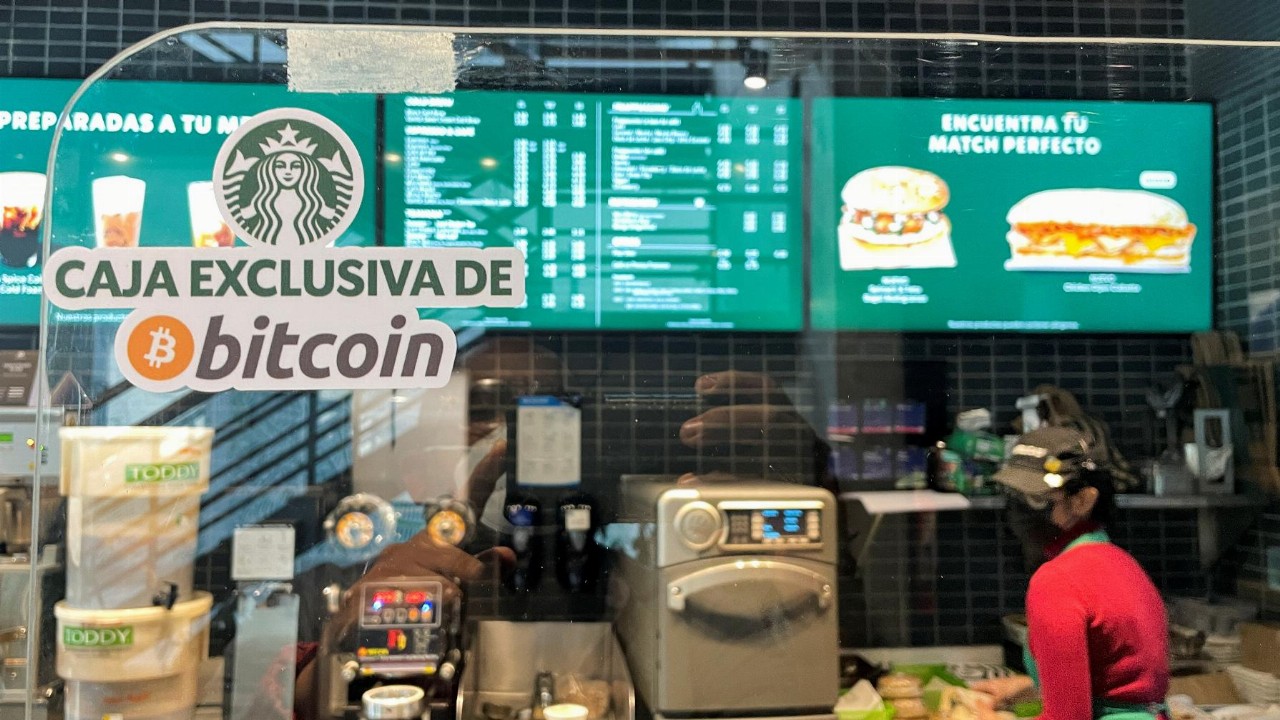
The issues were soon resolved and the app became more widely available on different platforms, with El Salvador President Nayib Bukele retweeting clips of people buying fast food and coffee with bitcoin.
The Bukele administration has set up 200 bitcoin ATMs around the country to exchange the cryptocurrency for US dollars, though the dollar remains the national currency for accounting purposes.
Nevertheless, it seems increased volatility due to the El Salvadorean experiment compounded with concerns around the tech glitches and public scepticism around using bitcoin as legal tender drove the robust selling activity.