
Join our daily newsletter At The Bell to receive exclusive market insights
- Rallying oil prices spur the Australian Consumer Price Index 0.8 per cent on the previous quarter, while a 3.8 per cent yearly increase reflects an economy adjusting to the post-pandemic era
- Increases across automotive, medical and fresh food prices drove inflation upwards over the quarter
- ABS Head of Prices Statistics Michelle Marquardt says the rise was significantly influenced by one-off COVID-19 related price changes
- Trimmed mean inflation was 1.6 per cent through the year, up from 1.1 per cent in the March 2021 quarter
The Australian Consumer Price Index has risen 0.8 per cent on the previous quarter — thanks to swelled oil prices — and 3.8 per cent for the year as the economy readjusts to a post-pandemic era.
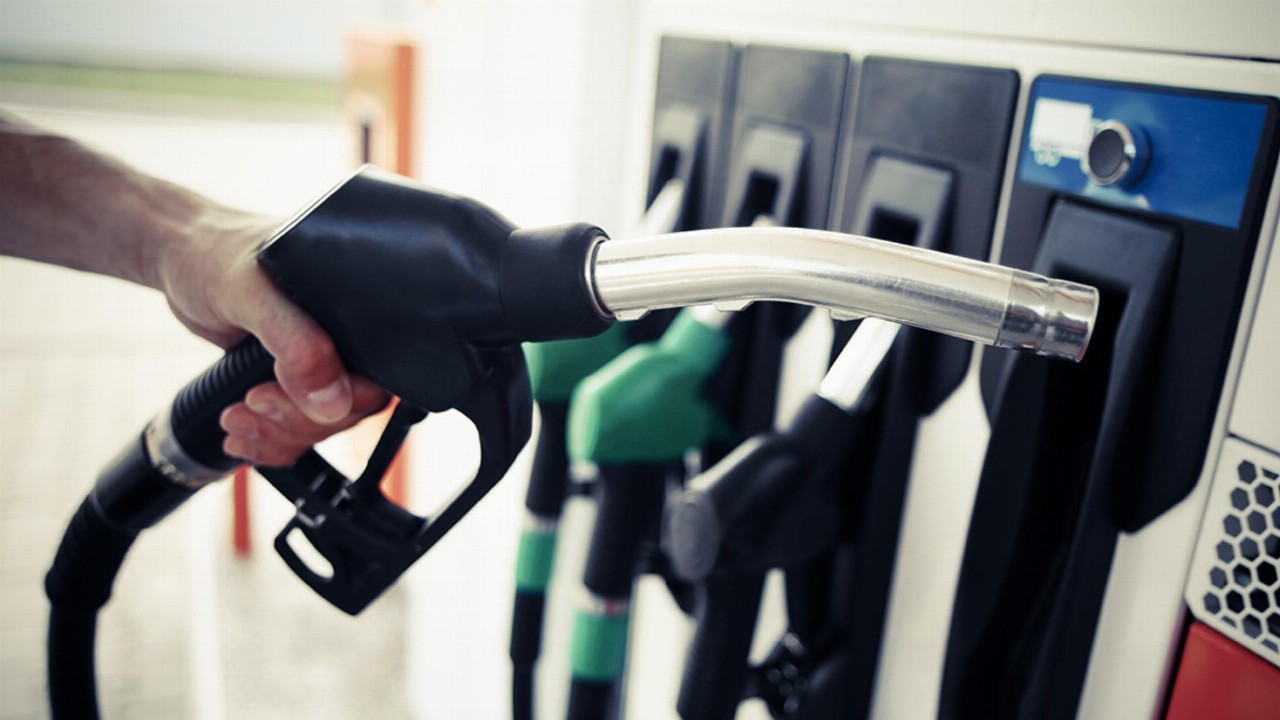
The Australian Bureau of Statistics mainly attributed the moderate inflation over the quarter to rising fuel prices, which triggered a 6.5 per cent rise in the automotive sector over the period.
WIT crude prices rallied over June before closing the month at $73.47 per barrel, although prices have cooled off slightly through July.
Medical and hospital services grew 2.4 per cent on account of an increase in private health insurance premiums.
Fruit, vegetable and beef prices were pushed up due to floods in growing regions and a shortage of pickers, as Australia’s closed borders hinder an industry typically reliant on workers from overseas.
While the yearly increase may seem sharp, ABS Head of Prices Statistics Michelle Marquardt said the rise was significantly influenced by one-off COVID-19 related price changes.
“Key drivers included the full unwinding of the Federal Government’s free childcare package implemented in the June quarter last year, as well as a full return from the drop in fuel prices seen in the same quarter,” she said.
“In situations such as this, it is useful to consider underlying inflation measures such as the trimmed mean, which are designed to remove large, one-off price impacts.”
Trimmed mean inflation was 1.6 per cent through the year, up from 1.1 per cent in the March 2021 quarter.
Innes Willox, Chief Executive of the national employer association Ai Groupn said employers may want to hold off before considering any wage or price increases.
“While the 3.8 per cent increase in the CPI for the year to the end of June 2021 appears high, it is to a large extent due to the reversal of some deflationary forces of a year ago,” he said.
“The more robust indication of consumer prices is that the CPI rose by 1.9 per cent in the five quarters from March 2020 to June 2021.
“This is a more reliable benchmark for businesses considering any wage or price increases.”