
Join our daily newsletter At The Bell to receive exclusive market insights
- The Federal Government is being questioned on why it spent $29.8 million buying land for Western Sydney Airport, as the land is now worth $3 million
- The Australian National Audit Office (ANAO) has raised concerns over the government’s purchase from the Leppington Pastoral Company (LPC)
- LPC is the dairy company owned by billionaires Tony and Ron Perich
- The auditor has found the government failed in its due diligence on the sale and questioned the need for purchasing the site in 2018
- The land in question won’t be needed by Western Sydney Airport until at least 2050 when it builds a second runway
- The government department responsible for the sale has accepted some of the criticisms and launched an independent review
The Federal Government is being questioned about its decision to significantly overspend when buying land for the planned Western Sydney Airport.
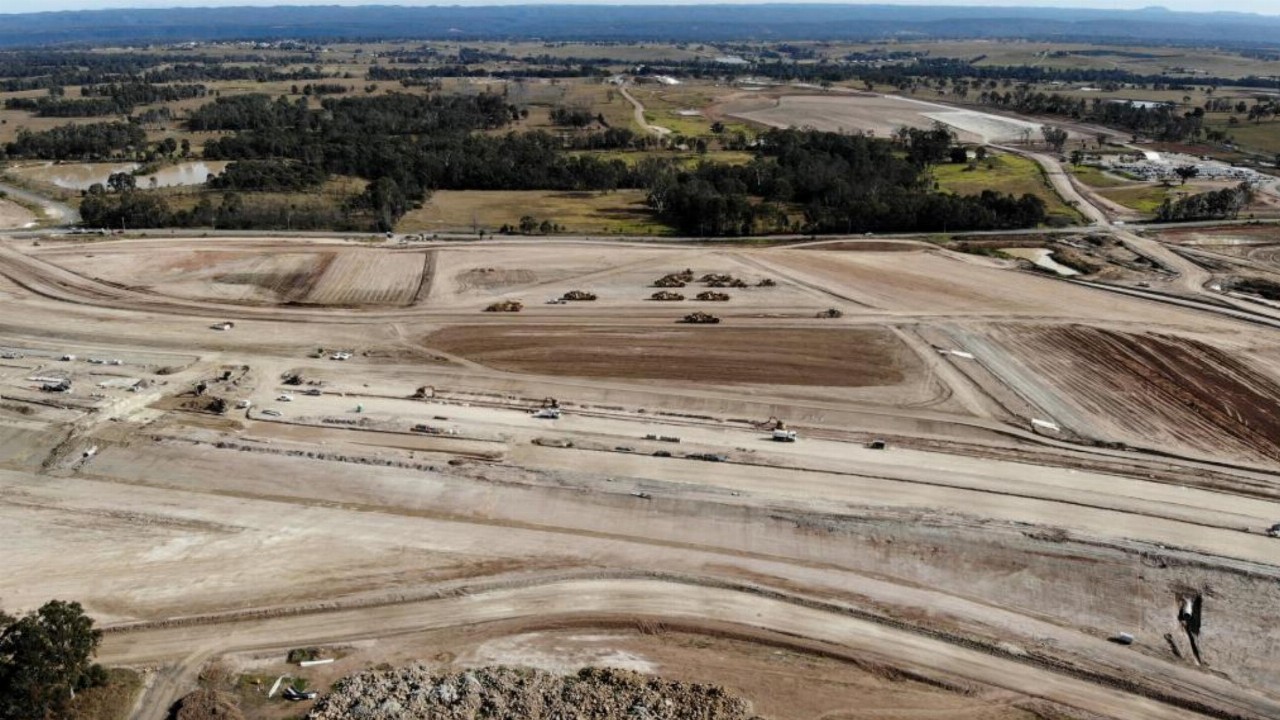
The government forked out $29.8 million for 12-hectares of land in Bringelly, before it valued the plot at just $3 million only 11 months later.
It also purchased the plot from Aussie billionaires Tony and Ron Perich, whose dairy company Leppington Pastoral Company (LPC) owned the land.
The decision to pay almost 10 times the amount the land was actually worth has been sharply criticised by the Australian National Audit Office (ANAO).
The Audit
Primarily, ANAO found the Department of Infrastructure did not conduct worthy due diligence before making the purchase back in 2018.
“The Department of Infrastructure did not exercise appropriate due diligence in its acquisition… and aspects of the operations of the department fell short of ethical standards,” the review summarised.
It found no acquisition strategy was put together and key decision-makers weren’t advised about the real price of the plot before the sale.
The auditor also questioned why the government even purchased the land, considering it wouldn’t be used until at least 2050 when a second runway is built at the airport.
Additionally, ANAO criticised the department’s handling of the audit — finding their response to questioning was inadequate and inconsistent.
The Response
In response to the scathing report, the Department of Infrastructure has advised it will adopt the audit’s recommendations for buying land in the future and that it has launched its own review into the purchase.
However, the department did challenge the ANAO’s criticism on the timing of purchase and it’s ‘unorthodox’ strategy for the acquisiton.
“Early acquisition provided certainty to stakeholders for long term planning, has allowed Western Sydney Airport Company to plan effectively for the entire development of the airport,” it said in a statement.
It also said the strategy “was developed in consultation with the Department of Finance and the Australian Government Solicitor and was designed to mitigate the risk of costly and lengthy legal challenges.”
The Federal Opposition has called on the Deputy Prime Minister to explain why the land was bought at such an inflated price.
The Deputy PM needs to explain this one.
— Catherine King MP (@CatherineKingMP) September 21, 2020
Why did the Government pay $30m for a piece of land they themselves valued at $3m?
Per hectare, they paid 22 times as much as the NSW Gov paid for neighbouring land.
And the seller was a Liberal donor…https://t.co/k6eqFfnBlS